Physical Address
304 North Cardinal St.
Dorchester Center, MA 02124
Physical Address
304 North Cardinal St.
Dorchester Center, MA 02124

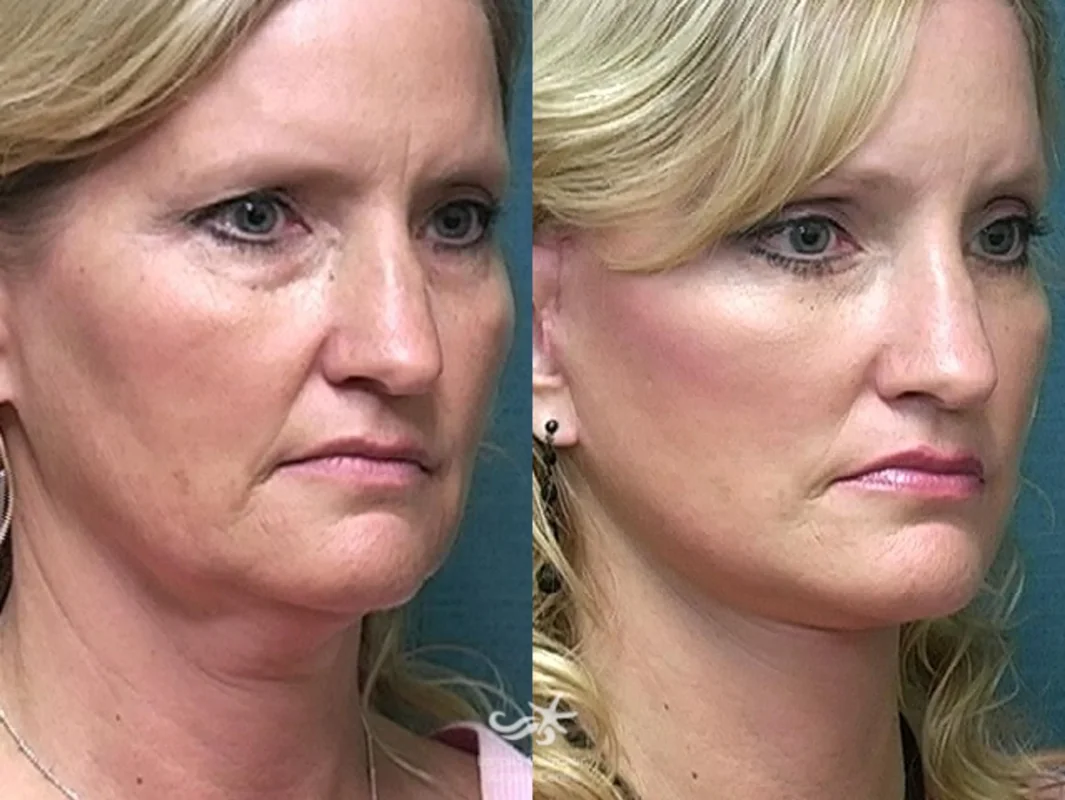
See face lift before and after transformations, what a facelift addresses, recovery timeline, non-surgical vs surgical options, longevity, and expert tips to get natural results.
Searching for face lift before and after transformations that actually look natural? You are in the right place. This comprehensive guide pulls together what to look for in real results, how facelifts work, what a facelift truly addresses, and how to get the longest-lasting outcome. We also break down non-surgical options, recovery by week, and the lifestyle habits that keep you glowing long after your procedure. Whether you are comparing surgical vs non-surgical approaches or preparing for your own transformation, this is your go-to resource.
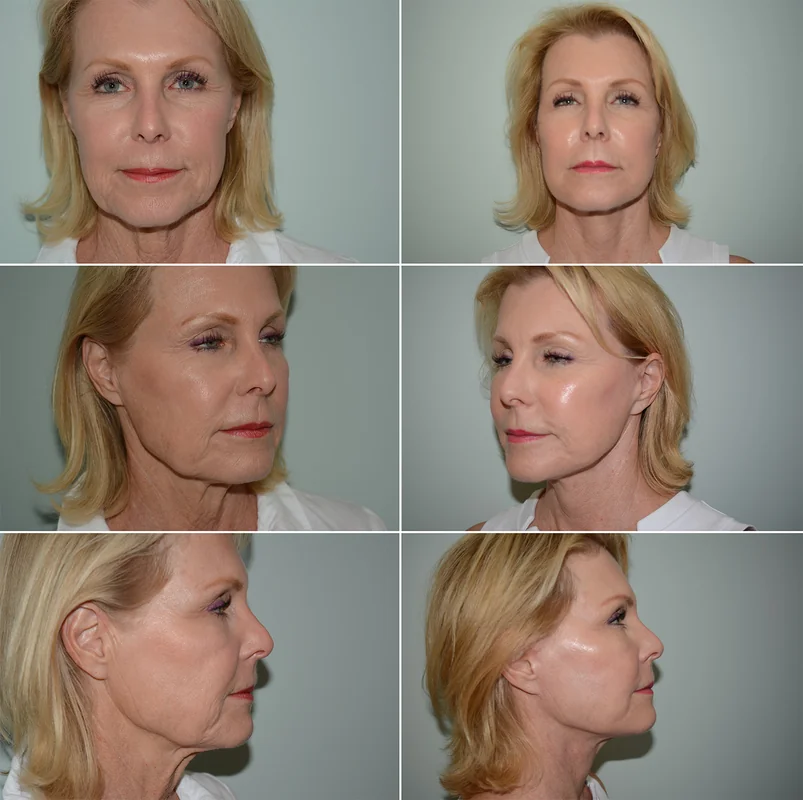
When you scroll through facelift before and after photos, you are looking for nuanced changes that preserve your features while refreshing your contours. The most natural results are subtle up close and noticeable in motion, not just in still photos. Look for the following:
Great before and afters should look like the same person on their best, most rested day. If the skin looks overly tight, the smile appears restricted, or the hairline looks unnatural, proceed with caution when evaluating that technique or provider.
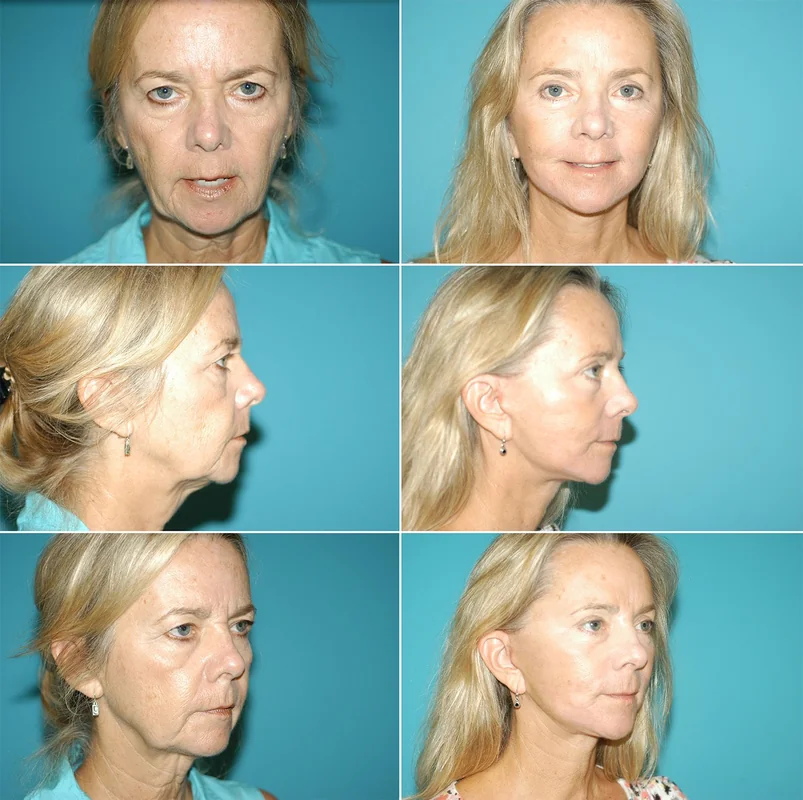
Despite the name, a modern facelift does not just pull skin. It repositions deeper support layers to restore youthful contours and reduce sagging. Here is what a facelift can improve:
What a facelift does not do on its own: it does not fill areas where age-related volume and bone support have diminished. Many patients pair surgical facelifts with fillers or fat grafting to address volume loss for a complete result [3].
There is no single facelift. Your choice depends on anatomy, skin quality, timeline, tolerance for downtime, and desired longevity.
The SMAS (superficial musculoaponeurotic system) is a key support layer beneath the skin. A SMAS facelift repositions this deeper layer to lift the cheeks, reduce jowls, and sharpen the jawline. When appropriate, it can be combined with a neck lift to improve the angle beneath the chin and address banding [3].
In a deep plane facelift, dissection occurs beneath the SMAS in selected areas to mobilize the cheek and midface more directly. When performed by experienced surgeons, this can yield powerful yet natural changes. It is especially useful for midface descent and stubborn nasolabial folds [3].
Smaller incisions and a more focused lift can help earlier laxity with shorter recovery. Ideal for mild jowling, often in younger candidates or those seeking touch-ups.
Neck tightening can be combined with a facelift or performed alone when the primary concern is neck laxity, banding, or submental fullness.
Non-surgical options can visibly refresh the face without incisions or general anesthesia. These usually combine:
Non-surgical results typically settle and improve for several months as new collagen forms, with peak improvement around the six-month mark and durability up to a few years depending on modality and maintenance [1]. Thread lift effects often last 12 to 18 months, with low downtime for most patients [1].
Use a simple checklist to evaluate facelifts online:
Finally, look for movement. Video clips provided by reputable clinics show smiles and speech, which reveal whether the result looks natural in motion.
Recovery varies by technique, your health, and whether you combined procedures. Here is a typical roadmap so you know what to expect:
Surgical facelifts offer the most durable rejuvenation, often lasting many years. A facelift can turn back visible signs of aging, and you will continue to age from your new baseline. Most patients enjoy sustained benefits for several years, especially when neck treatment is combined and when skin quality is maintained [3].
Non-surgical approaches have quicker recovery and excel at early intervention, maintenance, and enhancement between surgeries. These typically deliver visible improvements within weeks, often peaking around six months as new collagen matures, and can last up to about three years depending on the technology and your regimen [1]. Thread lifts usually last 12 to 18 months and can be repeated [1].
Longevity is not just about the procedure. Daily habits directly influence skin quality and collagen health. Protecting your investment is simple:
These habits reduce extrinsic aging and help extend surgical and non-surgical results over time [2].
As we age, it is not only skin that changes. Bone resorption and fat pad shifts alter the face’s architecture, which is why lifting alone sometimes needs volumizing support. Many patients choose a blended plan:
When thoughtfully combined, these approaches yield the ultra-natural, undetectable refresh many patients want today.
Natural outcomes are crafted long before the day of surgery. Expect your consultation to explore:
A board-certified plastic surgeon or facial plastic surgeon will align technique to your anatomy, not the other way around. Subtlety comes from placing tension deeper in the SMAS or deep plane rather than on the skin itself.
There is no wrong choice. Many patients start with non-surgical beautification, then choose a surgical lift later, and continue non-surgical care for skin quality and refinement [1][3].
Costs vary widely by geography, surgeon experience, and the complexity of your plan. While it is tempting to bargain shop, the right surgeon and technique are the greatest predictors of a result you will love for years. Consider value through the lens of longevity and satisfaction, not only price.
These details reduce risk and make the first week more comfortable [3].
Non-surgical treatments, like lasers or peels, typically involve short downtime in the range of a few days for redness, puffiness, or crusting, depending on the modality [1]. Always confirm timelines with your provider since protocols vary.
Trust is essential. If a consultation feels rushed or your concerns are minimized, get a second opinion.
The best facelift results come from realistic goals. You will still look like you, just more rested and refined. Friends may comment that you look healthy or refreshed, not necessarily that you had surgery. That is the modern ideal.
Nuance matters. Natural results are created by lifting where tissue has descended, not by pulling skin tight. They also come from aligning midface, jawline, and neck so one area does not look mismatched. Your result will look most believable when it reflects the way your face used to distribute volume and support, simply with more definition and smoothness.
Ideal candidates are healthy, non-smoking adults with realistic expectations and concerns about laxity in the lower face or neck. If you are earlier in the aging process or want a lighter refresh, non-surgical approaches can be a great first step or ongoing maintenance [1][3].
Today’s most requested facelift outcomes are subtle and harmonized. Patients often stage their treatments, starting with non-surgical collagen stimulation and volume restoration, then adding a surgical lift for long-lasting contouring. Afterward, they return to low-downtime skin treatments to preserve the glow.
If you enjoy deep dives and transformation stories, you might also like these popular features:
A facelift targets the lower face and jawline, reducing jowls and lifting the midface. A neck lift treats laxity, banding, and fullness under the chin. They are often combined to create a seamless jawline and neck profile [3].
Facelift results are long-lasting. Many patients enjoy a refreshed jawline and neck definition for several years. You will continue to age from a more youthful baseline, and good skincare helps preserve results [3].
You will see meaningful improvement by a few weeks, with continued refinement as swelling dissipates. Most patients appreciate near-final results around 3 to 6 months [3].
Yes, when matched to your goals. Non-surgical treatments can deliver visible improvements with minimal downtime. Peak results often appear around six months as collagen matures, and benefits can last up to a few years depending on the technology. Thread lifts typically last 12 to 18 months [1].
It depends on your anatomy. A facelift repositions descended tissue but does not restore volume in hollowed areas. Many patients combine a facelift with fillers or fat transfer to address age-related volume and bone changes for a balanced, natural look [3].
Protect your skin every day with SPF, avoid smoking, use a evidence-based skincare routine, eat a nutrient-rich diet, and consider periodic maintenance treatments. These habits slow extrinsic aging and support long-term results [2].
Surgical facelifts require a defined recovery period with swelling and bruising that fades over weeks. Non-surgical treatments typically involve minimal downtime, commonly a few days of puffiness, redness, or crusting depending on the modality [1].
Look for board certification, extensive facelift experience, and a gallery of natural results. Choose a surgeon who explains the plan clearly, listens to your goals, and personalizes the approach to your anatomy.
A mini facelift can help early jowling and mild laxity but is less effective for pronounced neck banding or laxity. For comprehensive neck improvement, combine a facelift with a neck lift to harmonize the jawline and neck [3].