Physical Address
304 North Cardinal St.
Dorchester Center, MA 02124
Physical Address
304 North Cardinal St.
Dorchester Center, MA 02124

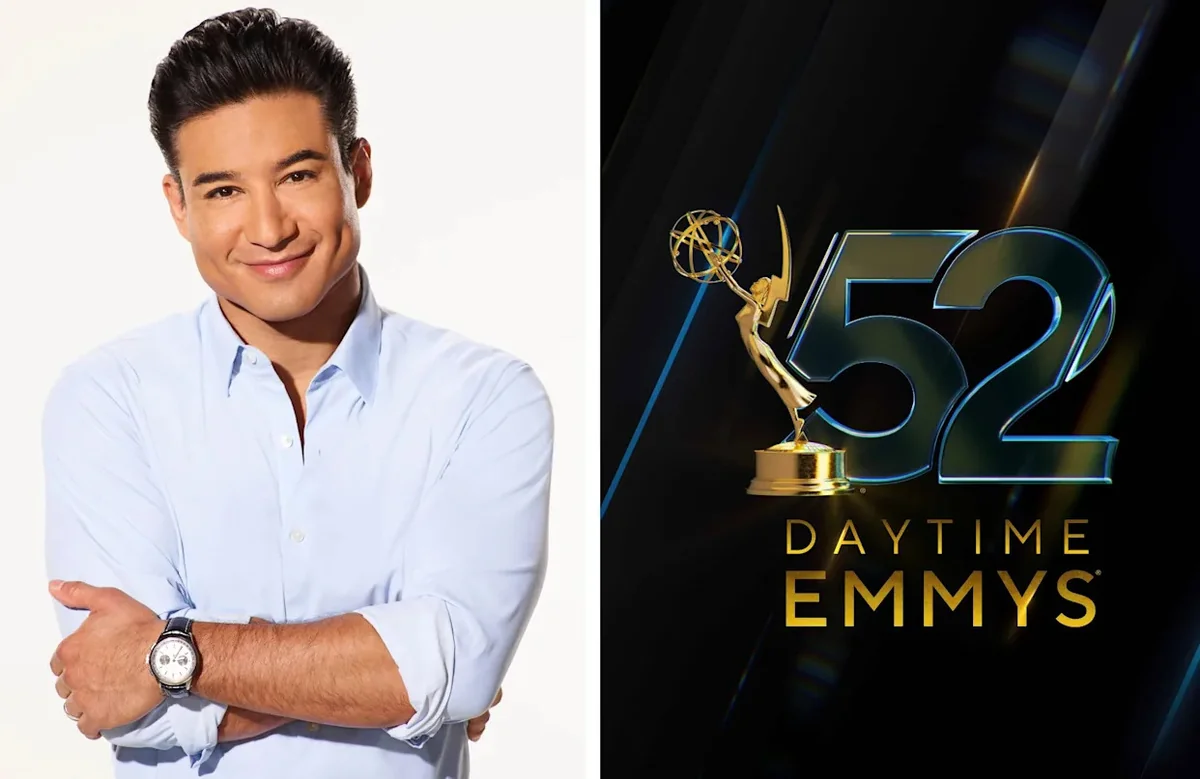
Mario Lopez faces a $10M defamation suit after a viral TikTok serving. See the caption, timeline, legal stakes, and reactions.
Mario Lopez is a beloved TV host and actor. Many fans still know him as A.C. Slater from Saved by the Bell. Today he is a family-focused fitness dad who shares simple wellness tips on television and on his podcast. He stays active in entertainment and often appears in entertainment news segments and interviews.
Yes. Here is the short version in plain English.
According to reports, Desiree Townsend filed a defamation lawsuit against Mario Lopez because of a social media post he made in 2024 about a video featuring her. She says the post falsely suggested she was acting or faking a medical condition. She claims the post harmed her reputation and caused real-world damage, both online and offline [1].
Defamation is about false statements that injure a person’s reputation. In this case, the claim centers on what Mario wrote about a clip of Townsend discussing health issues. The lawsuit seeks $10 million in damages. That amount often covers things like reputational harm, emotional distress, and other alleged losses tied to the statement’s spread on social media [1].
In defamation cases involving a well-known person like Mario Lopez, the legal standards can be strict. The plaintiff must usually show that the statement was false, that it was published to others, and that it caused harm. Because Mario is a famous public figure, the plaintiff may also need to show actual malice, which is a higher legal bar. Actual malice means the defendant knew a statement was false or acted with reckless disregard for the truth. The lawsuit will focus on how a reasonable reader would understand the post, and whether it stated a false fact or merely expressed a protected opinion. That distinction matters a lot in U.S. law.
Townsend’s complaint also highlights the reach of celebrity speech online. A famous person’s comments can spread fast and wide. The filing argues that the caption, tone, and timing amplified negative reactions, triggering harassment and professional fallout. Whether a court will see the caption as a false factual claim or just heated opinion is the core legal question. The case is still developing. New filings and responses could add more context, so it is smart to check for updates over time [1].
Reports say Mario Lopez reposted or commented on a video featuring Desiree Townsend that discussed a health issue. The key part of his caption is quoted as: “There’s gotta be some kind of award for this performance.” That line is central to the lawsuit. The plaintiff says the caption accused her of faking or acting, which she says is untrue and damaging [1].
In defamation cases, exact wording matters. Courts often look closely at a caption, including its tone, any hashtags, and the surrounding context. The main questions are: Would a typical reader take the words as stating a fact about a person? Or would they see them as opinion, humor, or hyperbole? Opinion can be protected. But a statement that implies a false fact can be risky. Here, the caption uses the word performance, which could be read as sarcasm. The lawsuit argues that many readers took that sarcasm as a factual claim of deceit. The defense side could argue it was a general opinion about a public news clip and not a factual accusation. Those are the types of issues courts consider in cases like this [1].
The moment Mario Lopez was served the lawsuit was filmed and posted online. A TikTok by @powerclips53 captured the service of process at his gate. Reports say he was served on June 15, 2025. The clip spread fast and was reposted on other platforms. Desiree Townsend shared the clip on X with a caption stating, “Mario Lopez served my $10 million defamation lawsuit today,” and thanked the process server by name. The video drew millions of views through reposts and discussion [2].
Service of process is a formal step that gives a defendant notice of a lawsuit. It is common for process servers to record or note the moment they complete service in high-profile cases. What is uncommon is the speed and scale of the video’s spread. Celebrity legal moments tend to go viral because they tie legal drama to recognizable names, short clips, and strong emotions. This clip had all three. It also came during a holiday weekend, which can boost engagement as people scroll more.
After the serving video took off, it added a fresh wave of attention to the case. It did not decide anything legally. It did not prove or disprove defamation. But it kept the story in the feed and pushed more people to search for the details. That is why many outlets referenced the TikTok as a turning point in the public’s awareness of the case [2].

Here is a simple, mobile-friendly timeline of key public dates reported so far.
| Date | Event | Source |
|---|---|---|
| 2024 | Mario posts the caption about the video featuring Townsend | Sportskeeda [1] |
| June 13, 2025 | Townsend files a $10 million defamation lawsuit | Sportskeeda [1] |
| June 15, 2025 | Mario Lopez is served. TikTok of service goes viral | RadarOnline [2] |
Note that legal cases evolve. More filings, hearings, or orders may appear after these dates. It is wise to check the latest docket and coverage for updates. If a hearing is set or a motion is filed, that will shape the next steps.
As of the latest reports, there is no confirmed impact on Mario Lopez’s on-air roles from this lawsuit alone. Trade press reported that he headed to Access Hollywood in 2025. Those reports did not tie his job status to the lawsuit. Entertainment careers are often resilient during civil disputes, as long as the case stays in early stages and advertisers or networks do not see a major brand risk [3].
If you want a deeper profile of his TV career, fitness brand work, and what keeps him on screen, you can read this guide: Mario Lopez TV Host Comeback: Access Secrets, $35M Fitness Legacy.

Some fans have tied this lawsuit discourse to his food takes and cultural commentary. On social platforms, people often mix topics. A post about the lawsuit might trigger replies about his recipes or his thoughts on Mexican food. A few critics say his food reactions do not match their ideas of authenticity. Others defend him and say taste is personal, and heritage does not lock someone into one view of cuisine. These debates can get loud, but they are not the core of the lawsuit. They are part of the broader online reaction to anything Mario posts.
It is important to separate the legal question from the cultural commentary. The lawsuit is about whether a caption implied a false fact that harmed someone’s reputation. The debates about food and identity are social questions. They can shape how a public figure is perceived, but they are not the legal claims at issue. If you follow Mario for his lifestyle and wellness content, this moment may be a reminder of how celebrity posts can draw attention far beyond the original topic.
Defamation means a false statement of fact that harms someone’s reputation. It can be written or posted online, which is called libel, or spoken, which is called slander. For a successful defamation case, the plaintiff usually needs to show these elements:
Context is crucial. Courts look at how an average reader would understand the words. Humor, sarcasm, or hyperbole can be protected, but not if they imply or state a false fact. The difference seems small, but it is very important. The plaintiff will argue that the caption presented a false assertion about her conduct and honesty. The defense will likely argue it was opinion or rhetorical commentary on a public news clip. That is the core dispute.
Public figures, including celebrities, must meet a higher legal standard for defamation. This is because the law wants to protect open debate about public people. The higher standard is called actual malice. Actual malice means the defendant either knew a statement was false or had serious doubts and shared it anyway. This is not the same as dislike or anger. It is a specific legal idea about knowledge and reckless disregard.
Because of actual malice, many defamation suits by public figures face early challenges. Defendants may file motions to dismiss or use state laws like anti-SLAPP to push for an early exit. The plaintiff has to show enough facts to keep the case moving. That is why lawsuits like this take time. The court may look at the words, the tone, and the context, then decide what the jury could reasonably conclude. If a phrase is clearly opinion, a court may dismiss the claim. If a phrase can be read as a false factual statement, a court may let the case proceed to the next stage.
SLAPP stands for Strategic Lawsuit Against Public Participation. Anti-SLAPP laws let a defendant ask the court to dismiss lawsuits that target free speech on public issues. Many states, including California, have anti-SLAPP statutes. A defendant can file an anti-SLAPP motion early in the case. If the court finds the speech is protected and the plaintiff cannot show a likelihood of success, the case can be dismissed and the plaintiff may have to pay the defendant’s legal fees.
Could anti-SLAPP apply here? It might. The post commented on a clip that had public attention and public health discussion. A court would ask two main questions. First, is the speech on a matter of public interest? Second, can the plaintiff show a probability of prevailing on the defamation claim? If the court says yes to the first and no to the second, a dismissal could follow. If the plaintiff provides evidence that the words conveyed a provably false assertion of fact and caused harm, the case could continue despite anti-SLAPP rules.
It is too early to say what motions will be filed or how the court will rule. But in high-profile defamation suits based on online posts, anti-SLAPP is a common tool. It is designed to protect speech while also allowing valid cases to proceed.
The serving video created public buzz, but it did not change the legal standard. Service of process is a formal step that tells a defendant a case is open. Whether the video gets 1,000 views or 10 million, the legal effect is the same. The court cares more about the filings, the facts, and the law than about the number of likes. That said, public attention can shape how people discuss a case and how quickly updates spread. In that sense, the TikTok made the lawsuit a bigger story, but not a stronger claim.
In a case like this, several things can be important.
Many defamation cases settle before trial. Settlement lets both sides reduce risk and control the outcome. Settlement terms can include an apology, a clarification, a donation, or a payment. There is no public rule that forces settlement. It just happens often because trials are expensive and uncertain.
This case has high social media visibility, which can motivate both sides. A plaintiff might want vindication or a clear record correction. A defendant might want to avoid long disputes and protect professional relationships. The timing of any motion or early court ruling can influence whether talks happen. If an anti-SLAPP motion looks strong, a defendant may push forward. If the court signals the claim has traction, a settlement might look better to a defendant. We do not know yet. We can only track filings and public statements as they appear.
After service, there is a window for a response. A defendant can file an answer, ask to dismiss, or bring an anti-SLAPP motion, depending on the jurisdiction and the strategy. Courts then set schedules for discovery and hearings. If the court denies early motions, the case can move to depositions and expert reports. That is where more facts come out. If a case survives those steps, it can move toward trial. At any stage, the parties can settle.
For the latest status, watch public court records and reputable outlets. Reports have covered the filing date, the serving video, and key quotes from the post. If a hearing date appears or a motion is decided, those details will shape the next phase [1][2].
It hit several viral triggers:
Put together, these factors created a shareable moment. The video gave people something to talk about, regardless of where they stood on the issue.

Three simple habits help a lot.
It is also good to remember that a lawsuit is an allegation. It is not a court finding. The defendant has the right to respond. Mistakes happen online when people treat filings as verdicts. Keep an eye on official updates and credible reporting.

If you like media and wellness coverage, try this companion read: Mario Lopez TV Host Comeback: Access Secrets, $35M Fitness Legacy. For a change of pace, here is a popular entertainment guide: Nina Dobrev Movies Guide: Roles, Series, 2025 Projects, Fashion Fitness.
Desiree Townsend says Mario’s 2024 social post about her video falsely suggested she was performing or faking, and that this hurt her reputation. She filed a defamation lawsuit seeking $10 million in damages [1].
The lawsuit was filed on June 13, 2025. Reports say Mario Lopez was served on June 15, 2025. A TikTok of the serving moment went viral and was reposted on other platforms [1][2].
The widely quoted line is: “There’s gotta be some kind of award for this performance.” That sentence is at the center of the dispute [1].
No final ruling has been reported at the time of writing. Litigation takes time. Watch for motions, hearings, and court orders before drawing conclusions.
It is possible. If a court decides the caption is protected opinion or rhetorical hyperbole on a matter of public interest, the defense could prevail. But if the court sees a false assertion of fact, the case could continue. The outcome depends on the exact legal analysis.
Anti-SLAPP laws protect speech on public issues from lawsuits that try to silence discussion. A defendant can ask a court to dismiss claims early and seek fees. Many online defamation cases involve anti-SLAPP motions. Whether it applies here depends on the court’s view of the speech and the strength of the claim.
No. The video recorded the service of process, which is a procedural step. It does not prove or disprove defamation. It only shows that the defendant received notice of the case [2].
There is no confirmed evidence that this lawsuit alone has cost him on-air roles. Trade coverage in 2025 linked him to Access Hollywood. There are no reliable reports that the lawsuit changed that status at the time of writing [3].
Some fans criticize his food opinions as not authentic. Others say taste is personal and heritage does not control opinions. These social debates are separate from the legal claims in the lawsuit.
See the references below for coverage of the filing date, the serving video, and the quoted caption. We will update if credible new records or rulings appear.