Physical Address
304 North Cardinal St.
Dorchester Center, MA 02124
Physical Address
304 North Cardinal St.
Dorchester Center, MA 02124

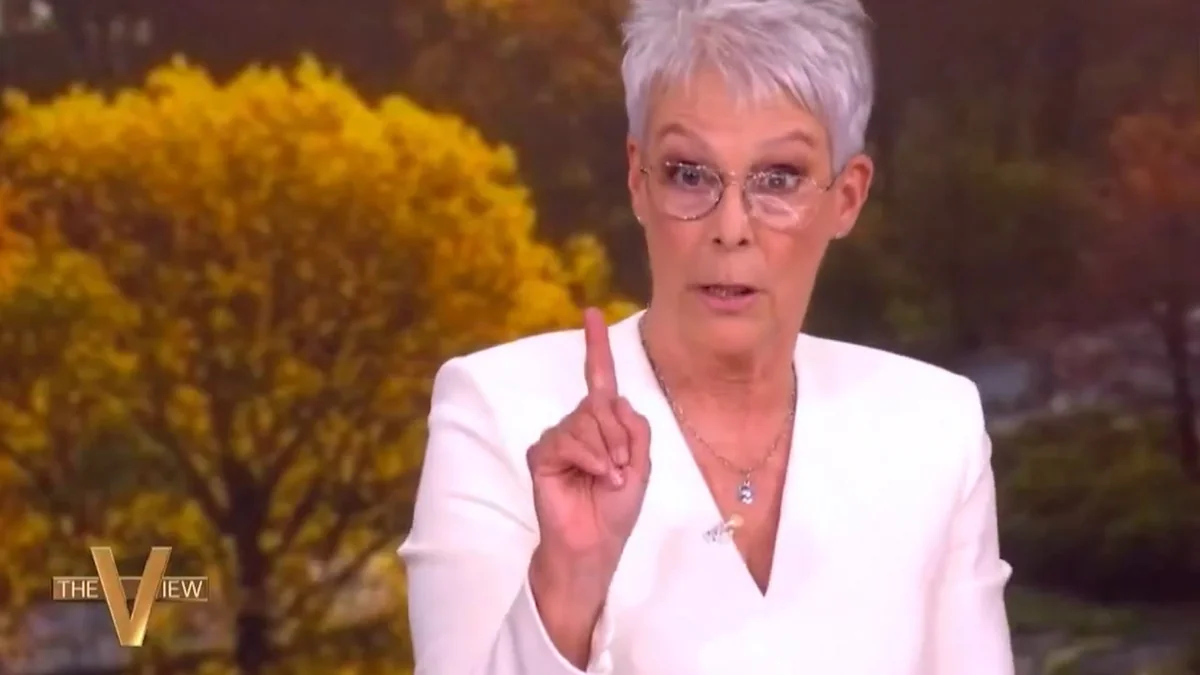
Oscar winner revisits a 1991 twist: bee stings, tears, and trigger warnings. What did Whoopi say on The View today?
Jamie Lee Curtis is an Oscar-winning actress, the original scream queen from the Halloween series, and an activist mom enjoying a confident glow-up in her 60s. She mixes hit roles with advocacy, and she talks openly about family, honesty in media, and how movies shape viewers. That mix of star power and care is why her new comment about My Girl is catching fire.
Because, in her view, the marketing did not prepare families for a heartbreaking twist. In a recent appearance on The View, Curtis said she pushed Columbia’s marketing chief back in 1991 to add a warning on the My Girl poster. She feared the sunny image of smiling kids suggested a sweet comedy, while the movie includes the death of a child from bee stings. She recalled saying, “You have to put a warning… freak out every child in America!” She also added, “I think today it would have had a warning label.” [2] The studio declined her request at the time, according to Curtis and entertainment coverage of her remarks. [2][3][1]
So why raise it again? Nostalgia for 90s movies is big, and many grown-up viewers still remember crying hard at that scene. Curtis is using the moment to talk about honest marketing, audience care, and how film campaigns have changed. The story shows how a single poster can set expectations. If the tone feels cheerful but the content turns tragic, viewers can feel blindsided. That contrast is the core of her message now. [2][3]
On The View, Curtis repeated her original objection to the poster and explained her thinking in plain terms. She warned the ad could shock kids because it did not hint at the painful death at the center of the plot. She stressed that a modern campaign would likely include clearer guidance. “I think today it would have had a warning label,” she said. [2]
Whoopi Goldberg supported that view. She noted that kids were indeed shaken by the movie’s sad turn. As she put it, “That’s not to say they didn’t freak the kids out.” [2] The short exchange landed because it captured a shared memory. Many people saw the film young, expected a light coming-of-age story, and left in tears. Their reactions help explain why Curtis’s comment resonates decades later. [2]
For many, it was devastating. The movie follows two best friends. One of them, Thomas J., dies after multiple bee stings due to an allergy. He is only 10 years old. Viewers who first saw the film as children remember the shock of seeing a young character die in a story that looked, in ads, like a sunny friendship movie. Curtis’s point is that the emotional impact was huge, and that the PG-era marketing did not prepare families for the grief at the film’s core. [2]
Was it just the event itself? Not only that. It is the suddenness and the age of the character. It is the way loss hits the remaining child and the community on screen. Those feelings were big for many kids, and parents often were not expecting to have a hard conversation after the credits. Curtis’s retelling invites studios today to flag such themes up front, so families can choose when and how to watch, and can plan to discuss it afterward. [2]
It is worth noting that even without a warning, the film connected with audiences and became a hit. It earned about 162 million dollars worldwide. That shows the story had power beyond the shock, but it does not erase how unprepared some kids felt. [2]
It likely would, based on current norms and Curtis’s own view. Today, many studios, streamers, and parent guides use short content advisories. These are not judgments. They are brief notes that help you choose. They might mention death, grief, medical emergencies, or intense scenes with children.
If My Girl launched now, the advisory might be simple and clear. It could read something like this:
Those few lines set expectations. They do not spoil everything. They just give families a chance to prepare. That is the spirit of Curtis’s argument. [2]
Modern advisories often flag a few key areas that can upset or trigger viewers. Some common ones: violence, death and grief, abuse, injury, medical issues, animal harm, self-harm, and intense distress in children. They are usually short, neutral, and placed where you will see them. Services often add these tags on title pages or before playback. Movie trailers and social posts can also set tone with music, color, and pacing to signal heavier themes.
Parents want quick, practical notes. Here is a sample, written in simple language:
| Area | Possible advisory text |
|---|---|
| Death and grief | A child dies after bee stings; strong grief and mourning follow. |
| Injury/medical | Bee stings and allergic reaction are shown or discussed. |
| Emotional intensity | Sad scenes involving children, funerals, and family loss. |
| Age sensitivity | Young children may be very upset; co-view and discuss. |
These lines are plain, not alarmist. They respect the audience and leave room for personal choice.
In 1991, the smiling, sunlit poster signaled comfort. Many families expected a gentle friendship story led by then-popular young stars. The heavy plot point felt out of sync with that image. Curtis warned marketers that the gap might be harmful, and she urged them to add a clear warning. She says her advice was not taken. [2][3]
Would a darker poster have fixed everything? Not necessarily. But even a small label helps parents choose the right time and mindset. When a campaign and the content do not match, trust suffers. Curtis is talking about that trust. She is saying honesty up front builds better experiences and better relationships with the audience. [2]
Curtis built a career in horror from Halloween forward. She knows the value of suspense and surprise. She also knows tone matters. Horror posters, trailers, and taglines usually signal fear. Audiences opt in on purpose. My Girl was different. The marketing tone felt light, but the story included a devastating death. Her background in tone-setting genres gives her a clear perspective on why marketing honesty matters to viewers of all ages.
Curtis is an Oscar winner. She also speaks out about family, kindness, and ethical storytelling. Her public voice now blends artistry with care for the audience. That is the context for her My Girl comment. She is not attacking the film. She is advocating for clearer messaging and viewer well-being, something she has highlighted in different ways over time. [2]
Her My Girl point is very specific. It focuses on honest marketing and simple warnings, not on AI. Fans sometimes link it to wider online problems, since both involve trust and transparency. But based on her The View remarks, this story is about how a poster sets expectations and how a small advisory can protect kids and guide parents. There is no direct tie in her comments to a deepfake campaign. The broader lesson is still useful: label content clearly, honor the audience, and avoid tactics that hide heavy themes. [2]
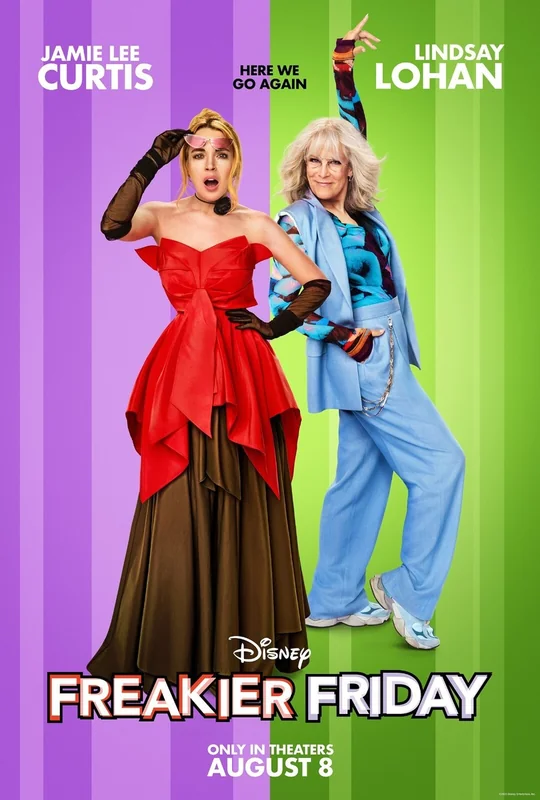
Modern family movies usually communicate tone more clearly than 1991 campaigns did. Studios and streamers often place short advisories on title pages, and trailers tend to flag emotional stakes. If a new body-swap comedy like a Freaky Friday sequel includes heavier topics, expect marketers to signal them more directly than before. That is the shift Curtis is highlighting. Even one or two words can help. For more on Curtis’s current projects and how she talks about viewer care, see our overview of her 2025 slate in Jamie Lee Curtis Movies 2025 Comeback.
Will audiences demand labels every time a movie gets emotional? Not necessarily. Many films balance light and heavy moments. The key is fair signaling. If marketing shows bright laughs but the plot hinges on a child’s death or a major trauma, a straightforward advisory helps. It protects trust and keeps the conversation focused on the story, not on whether viewers were set up for a shock.
| Topic | Key facts and notes |
|---|---|
| Release | 1991 theatrical release. [2] |
| Box office | About 162 million dollars worldwide. [2] |
| Central event | The young character Thomas J. dies after bee stings due to an allergy; he is 10 years old. [2] |
| Stars | Macaulay Culkin and Anna Chlumsky appear alongside Jamie Lee Curtis. [2] |
| Curtis’s warning | She says she begged the marketing chief to add a warning to the poster and was turned down. [2][3][1] |
| Whoopi’s take | Whoopi Goldberg acknowledged kids did get freaked out, backing Curtis’s concern. [2] |
| Today’s view | Curtis believes a modern release would likely carry a warning label. [2] |
Stories about childhood loss are rare in cheerful marketing packages. That mismatch is what many remember. The lesson is not to sanitize art. The lesson is to set fair expectations. When marketers pair honest tone with honest tags, the audience chooses in. Families can brace for tears and still embrace the story. A warning does not spoil the film. It supports the viewer.
Here is a simple checklist for both sides.
No. She is reflecting on the campaign and on how we prepare viewers. Her comments recognize that My Girl moved audiences and succeeded at the box office. Her focus is the gap between a playful poster and a story with a child’s death, and how that gap affected kids who walked in expecting a lighthearted time. Her proposed fix is simple: say more up front and respect the audience’s right to choose. [2]
It would be short and direct, something like:
Contains child loss, bee-sting injury, grief, and funeral scenes. Sensitive viewers may need support.
That is it. It adds one line without crowding the art. It can appear in small text near the rating box or on the bottom edge. Parents will find it. Kids will not linger on it. It sets a fair frame for what is to come. Curtis’s message is that this tiny change could have saved many young viewers from a blindsiding shock. [2]
It says honesty and care can coexist. Films can introduce tough topics. The key is how we signal and support them. When marketing prepares families, parents can turn a sad scene into a meaningful talk about loss, empathy, and resilience. That is different from stumbling into grief without warning. Curtis is pushing for that gentle head start. [2]
Yes. Curtis says she urged Columbia’s marketing chief in 1991 to add a warning because the poster looked cheerful while the film included a child’s death. She says the studio declined. [2][3][1]
On The View, Curtis said, “You have to put a warning… freak out every child in America!” and added, “I think today it would have had a warning label.” [2]
Whoopi backed Curtis’s concern, saying that while no warning existed in 1991, kids did get freaked out by the film’s twist. [2]
Thomas J. is 10 years old when he dies from bee stings due to an allergy. [2]
No. The film became a box office success and earned around 162 million dollars worldwide. The conversation is about viewer preparation, not performance. [2]
There is no single rule for all films, but short, clear advisories are more common now. Curtis believes a modern release of My Girl would likely carry a warning label. [2]
It depends on the child. The film includes the death of a child, grief, and funeral scenes. If you are unsure, preview it, co-view, and plan a conversation afterward. Sensitive viewers might find it very upsetting. Use your judgment and your child’s current resilience.
The marketing. She says the poster set expectations for a sunny kids’ story while the plot carried a heavy loss. She wanted a simple label to help families prepare. [2]
Her The View comments focus on poster honesty and viewer care. Fans may see a link to broader transparency issues, but her remarks here are about fair marketing, not AI. [2]
Modern campaigns often use clearer content notes and trailers that better reflect tone. If a sequel contains heavier themes, expect clearer signals than 1991 offered. For updates on Curtis’s new projects, see her 2025 comeback overview.
Like Hollywood stories about tough moments and how people recover? Try this related read: Inside Julie Lauren Curtis’s turbulent marriage and disappearance.