Physical Address
304 North Cardinal St.
Dorchester Center, MA 02124
Physical Address
304 North Cardinal St.
Dorchester Center, MA 02124


Texas has a forgotten $78M Lotto ticket expiring May 2026. Learn deadlines, taxes, cash vs annuity, and claim steps now.
Unclaimed lottery tickets are winning tickets that no one turns in by the deadline. They are forgotten wins. One example is the $78 million Lotto Texas prize sold in Brownsville, Texas. If the winner does not claim it by May 2026, that life-changing money will expire and follow state rules for unclaimed funds [1][2].
It could be many reasons. The winner may not know they won. They might have lost the ticket. The ticket could be sitting in a wallet, a glove box, or a kitchen drawer. Some big winners also wait on purpose to talk with a lawyer, a tax pro, and a financial advisor before going public.
What we know for sure is this. A single Lotto Texas ticket worth $78 million was sold in Brownsville at Gordon’s Bait & Tackle. The draw date was November 15, 2025. The winning numbers were 7, 17, 23, 28, 39, 48 [1][4]. The prize has not been claimed as of the latest updates, and the deadline to claim is May 14, 2026, which is 180 days after the draw [1][2].
Lotto Texas officials say they are eager to meet the winner. The jackpot rolled 116 times before it hit, and it is among the largest Lotto Texas jackpots on record. It is reported as the sixth-largest in game history [3].
| Detail | What We Know |
|---|---|
| Game | Lotto Texas |
| Jackpot | $78 million annuity |
| Cash option | $43.6 million before taxes [2] |
| Draw date | November 15, 2025 [1] |
| Winning numbers | 7, 17, 23, 28, 39, 48 [4] |
| Where sold | Gordon’s Bait & Tackle, Brownsville, Texas [1] |
| Claim deadline | May 14, 2026 (180 days from draw) [1][2] |
| Notable | Jackpot rolled 116 times; sixth-largest Lotto Texas jackpot [3] |
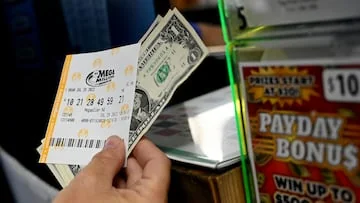
If a big jackpot ever goes unclaimed, money does not sit in a vault. For multi-state games like Mega Millions and Powerball, unclaimed funds are returned to the participating states. Each state then applies its own rules. Many states send unclaimed prize funds to education, state programs, or future prize promotions. The exact split and use depend on state law and game rules. For state-only games like Lotto Texas, unclaimed money also follows state rules, which often means it returns to state funds or future prize pools [2].
In short, unclaimed jackpots are not paid to a late winner after the deadline. The rules are firm. Once the clock runs out, the prize is gone for the player. The money gets redirected according to policy.

Deadlines vary by game and state. In Texas, draw-game prizes like Lotto Texas must be claimed within 180 days from the draw date. For this Brownsville ticket, that puts the deadline at May 14, 2026 [1][2].
Many U.S. states set claim windows between 90 and 365 days. Some games or ticket types may differ. Scratch tickets sometimes have different rules than draw games. Always check the official state lottery website for the exact deadline printed in your game’s rules.
The $78 million Lotto Texas ticket was sold at Gordon’s Bait & Tackle in Brownsville, Texas. The winning numbers were 7, 17, 23, 28, 39, 48 [1][4].
Officials encouraged anyone who bought tickets in or near Brownsville for the November 15, 2025 drawing to check again. The Texas Lottery said they look forward to meeting the winner [3].

Large winners often need time to plan. They may consult an attorney about privacy. They may talk with a CPA about federal taxes and possible state taxes. They may interview financial advisors so they do not waste the money. Some winners also want to set up a trust. All of this can take weeks.
Texas allows 180 days for draw-game claims, which gives people time to get ready. Many big winners step forward close to the deadline. It is not rare.
The federal government withholds 24 percent of certain large lottery prizes up front. Your final federal tax rate could be higher than that withholding. The top federal marginal rate can reach 37 percent. Texas does not have a state income tax, which helps Texas winners. But if you live elsewhere or file in another state, state taxes might apply. Always get personal advice from a tax professional.
Here is a very simple illustration. It is not tax advice. It ignores deductions, credits, and special situations.
| Line | Amount |
|---|---|
| Cash option | $43,600,000 [2] |
| Federal withholding at 24% | $10,464,000 |
| Approximate net after withholding | $33,136,000 |
| Possible final federal liability at 37% total | About $16,132,000 |
| Very rough after-federal range | $27,000,000 to $30,000,000 [1] |
These figures are estimates. Your exact result depends on your filing status, other income, timing, and planning. Work with a CPA before you claim. The Texas Lottery has noted a federal withholding rate. Media reports estimate take-home on this prize in the high twenty millions [1].
Many winners choose the cash option for flexibility. Others pick the annuity for steady checks and built-in discipline. There is no universal right answer.
| Choice | What You Get | Upside | Watch Out For |
|---|---|---|---|
| Cash option | One payment of $43.6M before taxes [2] | Full control now; invest your way | Big tax year; risk of overspending |
| Annuity | Payments over many years based on the advertised $78M | Steady income; may reduce spending mistakes | Less flexible; payments are taxable as received |
If you already have a plan and a team, cash can make sense. If you want built-in discipline and predictability, annuity may help. A fee-only fiduciary advisor can model both paths so you compare your likely net worth over time.
Yes. A good advisor can slow things down and build a plan. That plan can cover taxes, debt payoff, a safety fund, investment strategy, home buying, family gifts, and charity goals. Choose an advisor who is a fiduciary, who is paid as fee-only, and who has experience with sudden wealth. Interview two or three. Ask how they get paid and what they will do in the first 90 days.
When in doubt, visit an official claim center or call the lottery office. They can confirm next steps. Do not hand your ticket to a stranger.
If no one steps forward by the deadline, the prize will expire. Under state rules, unclaimed prize funds are not paid to a late winner. Money is redirected per Texas policy, such as returning to state funds or future prize pools [2].
This is why lotteries push hard for winners to come forward. It is also why retailers and communities spread the word. It is better to pay the right player than to close the book with money unclaimed.
Yes. Winners often take most of the claim window to prepare. A last-minute claim can still be legal as long as it is before the deadline. Waiting is a risk, though. If a storm, illness, or paperwork issue slows you down, you could miss the deadline. The safer choice is to prepare early and set a target claim date a few weeks ahead.
Do not throw it away. Put the ticket in a sleeve and contact the lottery. Some lotteries can review damaged tickets and verify ownership if key data remains. If the barcode is gone or the numbers and draw date are missing, it may be hard or impossible to validate. Every case is unique. Act fast. The claim deadline still applies.
Most lotteries require the physical ticket to pay a prize. If you lose it, payment is unlikely. If you used a registered digital ticket or a subscription service, contact the provider. They may have records and claim instructions. If you suspect theft, file a police report and notify the lottery office immediately. Time is critical.
Retailers post winner alerts, hang signs, and remind regular players to check old tickets. In this case, the Brownsville seller has been named in news updates so locals can check their pockets and drawers [1]. Retailers also handle smaller claims and send big winners to claim centers.
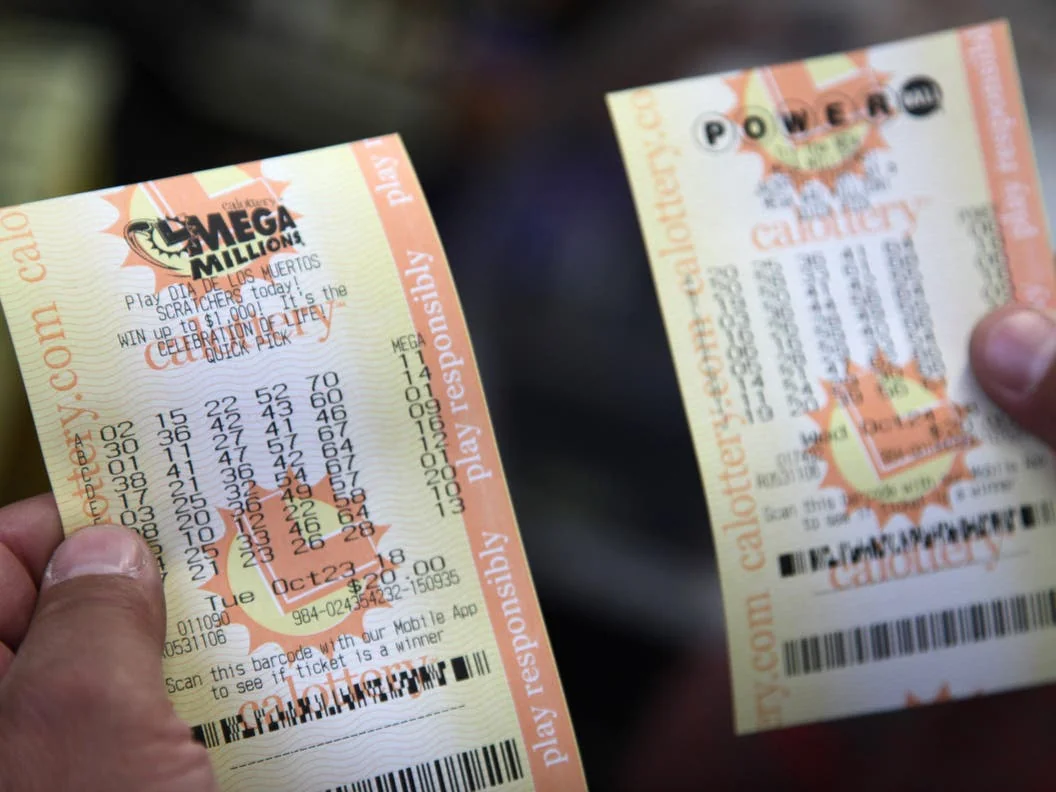
Big wins capture attention, but not all winners step forward quickly. Some jackpots in U.S. history have gone months without a claim. If a multi-state jackpot like a $1.13 billion Mega Millions ever goes unclaimed, the funds do not go to an unknown player later. Money returns to the states in the game and is used per their rules, often to support education or future prizes. This is similar to what happens to unclaimed state game prizes, though each state has its own laws [2].
Anonymity rules vary by state and prize size. Some states allow big winners to keep their names private. Others require names to be public records. If privacy matters to you, ask an attorney about your state’s current rules before you claim. The answer can affect your plan and timing. Check official guidance for your state.
The safest path is to prepare early, then claim days or weeks ahead of the deadline, not hours.
They want the real winner to come forward. They also want to keep the game fair and transparent. When a prize expires, lotteries must follow the law for unclaimed funds. Public alerts help reduce the odds of a good ticket going to waste. In Texas, leaders have publicly said they look forward to meeting the winner and celebrating the prize [3].
Before buying a new home or car, think protection. First, build a high-quality safety net. Pay off high-interest debt. Create a secure emergency fund at an FDIC-insured bank or credit union. Consider identity theft monitoring. Review your insurance limits for home, auto, umbrella liability, and health. Only then plan larger purchases with your advisor.
Keep it simple at first. Many winners use a diversified portfolio of public stocks and investment-grade bonds. Some choose Treasury bills or short-term bond funds while they plan. If you explore real estate or private deals, take your time and use experienced advisors who can vet proposals. Never rush into an investment you do not understand.
Retailers can display winner alerts, remind customers to check tickets from November 15, 2025, and share official guidance. Local news and community leaders can amplify deadlines and where to get claim help. The faster the word spreads, the better the chance the rightful owner comes forward before May 14, 2026 [1][2].
Looking for something lighter while you wait on results? Try our celebrity fitness guide or explore this Nina Dobrev movies guide for a fun break.
The owner may not know they won, may have lost the ticket, or may be planning with advisors. Big winners often wait weeks or months to prepare for taxes, privacy, and investment decisions. Texas allows 180 days to claim [1][2].
It expires May 14, 2026. That is 180 days from the November 15, 2025 drawing, which follows Texas rules for draw games [1][2].
Gordon’s Bait & Tackle in Brownsville, Texas. The winning numbers were 7, 17, 23, 28, 39, 48 [1][4].
The prize will not be paid after the deadline. The funds are redirected by state policy, such as to state funds or future prize pools [2].
$43.6 million before taxes. The estimated take-home after federal taxes could fall roughly in the high twenty millions, depending on your situation [1][2].
There is no Texas state income tax. Federal taxes still apply. If you live or file in another state, that state’s rules may apply. Speak with a CPA for advice tailored to you.
It depends on your goals and habits. Cash gives control and flexibility. Annuity gives steady payments and discipline. Work with a fiduciary advisor to model both options.
Anonymity rules vary by state and prize size. Some allow it, others do not. Ask an attorney about current rules before you claim.
Keep damaged tickets safe and ask the lottery for guidance. If a ticket is lost, payment is unlikely because lotteries normally require the physical ticket. Digital purchases or subscriptions may be different. Contact the provider or lottery immediately.
Timing varies by lottery, prize size, and paperwork. For very large prizes, expect identity checks, tax forms, and processing time. An attorney and CPA can help speed it up by getting documents ready before you claim.