Physical Address
304 North Cardinal St.
Dorchester Center, MA 02124
Physical Address
304 North Cardinal St.
Dorchester Center, MA 02124


Calgary killer Joshua Burgess sought day parole in 2025. Learn his confession, the board’s reasons, chilling timeline, and what’s next.
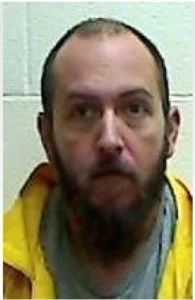
Joshua Burgess is a Calgary man serving a life sentence for killing his estranged wife, 25-year-old actress and comedian Shannon Madill, in late 2014. He admitted to strangling Shannon, then hid her body for months at their Calgary home. He pleaded guilty to second-degree murder in 2017 and received life with no chance of parole for 10 years. In September 2025, the Parole Board of Canada denied his first bid for day parole, calling it premature and unsafe for the public, especially given the brutality and the long cover-up that followed Shannon’s death [1][2][3].
What exactly did he admit? In court, Burgess admitted that a late-night argument after intimacy spiraled into violence on November 27, 2014. He covered Shannon’s mouth when she argued back, she bit him, and he strangled her. He first used his hands, then used a belt to finish the attack, according to reporting on his confession. He later said he wanted her to stop talking. He hid her body and lied for months while family and friends searched for Shannon, who had been planning a move and a fresh start [2][4].
Parole in Canada looks at risk, insight, and accountability. The level of violence, the use of a ligature, and the long deception afterward all weigh against early release. Board members often ask whether a person understands what triggered the assault and whether they can manage similar stressors in the future. The more brutal the crime and the longer the cover-up, the harder it is to demonstrate risk can be managed in the community [3].
How was Shannon’s body hidden for so long? Investigators later found Shannon’s remains on the property the couple shared in southeast Calgary. The killing happened in late November. Through that winter, snow, cold, and low outdoor activity helped mask any visual or odor clues. The result was months of silence. Friends and police searched everywhere. It was only many months later that the truth emerged and Burgess’s lies were exposed [2][4].
No single factor kept this secret. But timing mattered. Cold temperatures can slow decay and reduce smells. Snow can obscure the ground. Fewer outdoor visits in winter mean fewer chances for neighbors to notice something odd. Combined with deliberate concealment, the winter months bought time. That time deepened the hurt for Shannon’s family as public searches went nowhere [2][4].
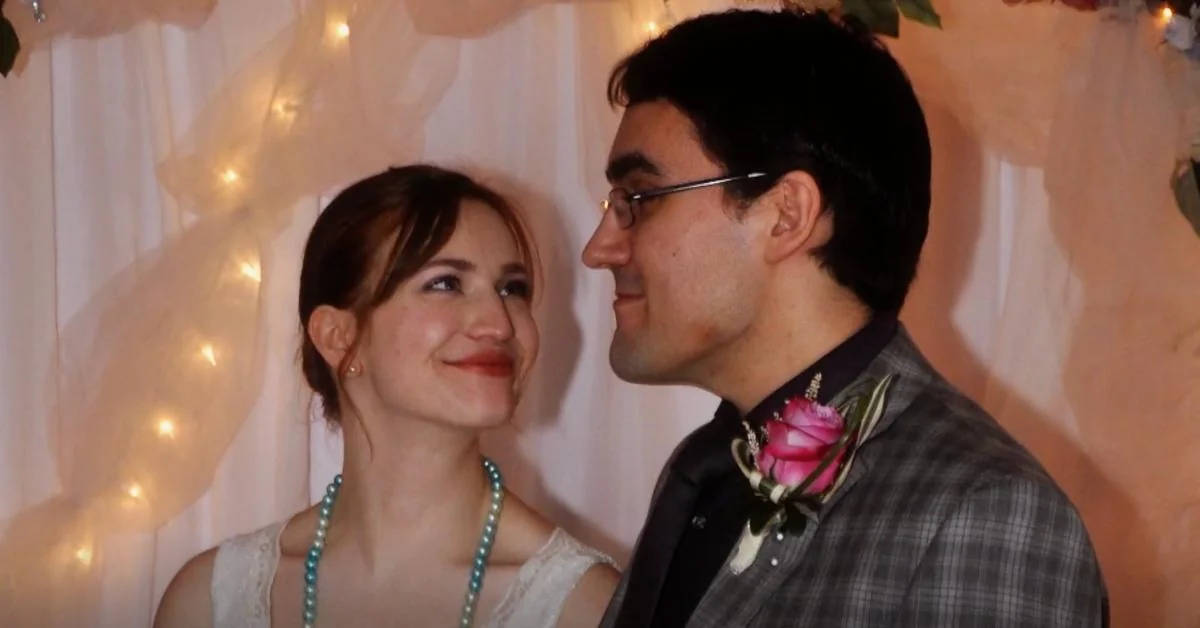
Want the key dates at a glance? Here’s a simple timeline.
| Date | What happened |
|---|---|
| Nov 27, 2014 | Killing occurred at the couple’s Calgary home [4]. |
| Late 2014 to mid-2015 | Body hidden for months; public searches continued [2][4]. |
| Mid-2015 | Remains found on the property after investigation [4]. |
| 2017 | Burgess pleaded guilty to second-degree murder; life sentence with 10-year parole ineligibility [1][4]. |
| Sept 2025 | First day parole application denied by the Parole Board of Canada [3]. |
What was the board’s bottom line? The board called the day parole bid premature. It cited the brutality of the killing, the prolonged deception, and serious safety concerns raised by Shannon’s family. The board said public safety must come first. That means no gradual release into the community for now. The messaging was clear: risk remains too high, and credible concerns from those most impacted carry real weight [3].
It means the board felt Burgess hadn’t shown enough change to manage risk outside prison. The board often looks for deep insight into triggers, proof of rehabilitation, solid community supports, a realistic plan for work and housing, and a record of good behavior in custody. If those pieces are thin or unconvincing, the bid is considered early and unsafe [3].
Victim impact statements matter. Shannon’s family told the board that releasing Burgess would not be safe. They spoke about the lasting pain of the crime and the months of lies. Their words were powerful and specific. The board took their concerns seriously in weighing community risk. In serious violent cases, the board often leans on detailed victim input to assess real-world safety [3].

Confused by the terms? Here is a quick guide.
| Type | What it allows |
|---|---|
| Day parole | Controlled daytime release for work, school, or programs. Must return to a halfway house or prison each night. |
| Full parole | Live in the community full time with conditions. Must report to a parole officer and follow strict rules. |
| Statutory release | By law, most federal offenders are released after serving two-thirds of their sentence, under conditions. Not automatic for life sentences. |
Because Burgess is serving a life sentence for second-degree murder, day parole and full parole are discretionary. The board can say no if the risk cannot be managed. The 10-year ineligibility period meant he could not apply until that time passed. After that, each release decision is based on risk, not the calendar [1][3].
Did the board find real insight? Reports of the decision show the board was not convinced Burgess had enough insight into his violent behavior. It weighed the extreme nature of the crime, the prolonged concealment, and concerns that his explanations didn’t show the deep change needed. The board’s job is to assess whether risk can be managed. Here, it said no [3].
Boards look at a mix of factors: participation in programs, psychological assessments, disciplinary record, accountability for harm, victim empathy, relapse prevention plans, supports in the community, and a detailed daily schedule. They also test whether an applicant has thought through stressors like romantic rejection, jealousy, alcohol, or arguments. The goal is to see if someone can handle future crises without violence.
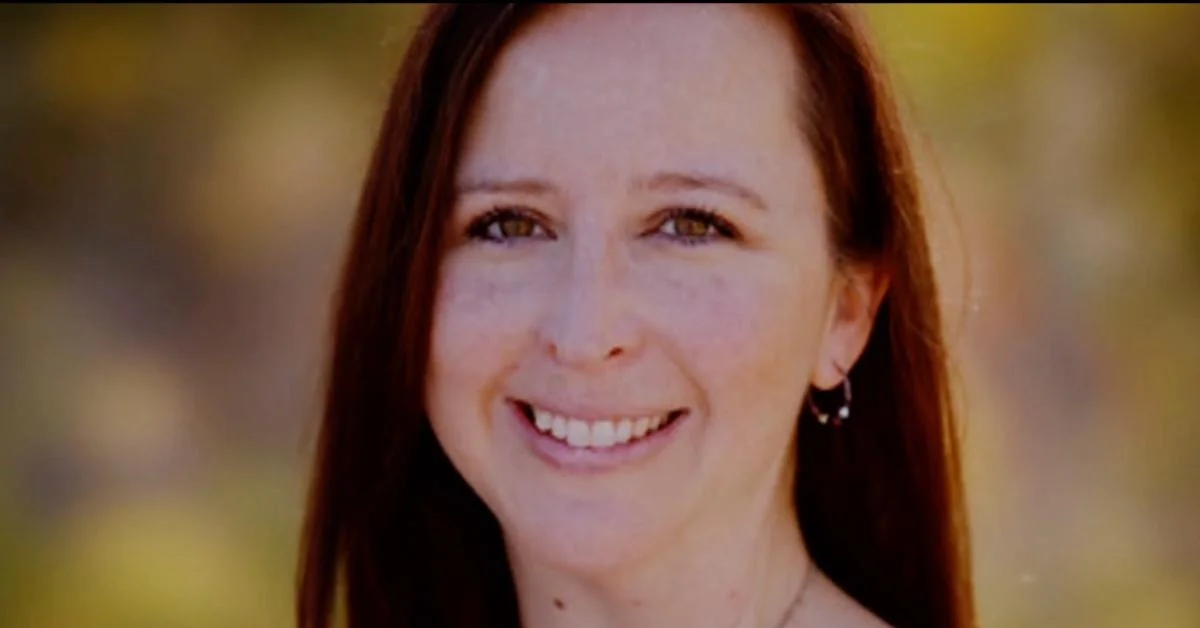
Why did this case draw such attention? Shannon was young, talented, and known in creative circles. Her sudden disappearance launched public searches and intense media interest. Many Canadians followed updates in real time. When her body was later found at the property she shared with Burgess, trust was shattered. The narrative shifted from a missing-person mystery to a domestic homicide with a chilling cover-up [4].
Parole decisions are not supposed to turn on headlines. But they do weigh victim impact, the scope of deception, and the risk to community confidence. In a case where the public watched family members beg for answers for months, the moral weight of that deception is hard to ignore. The board’s reasons highlighted the gravity of both the killing and the cover-up [3].
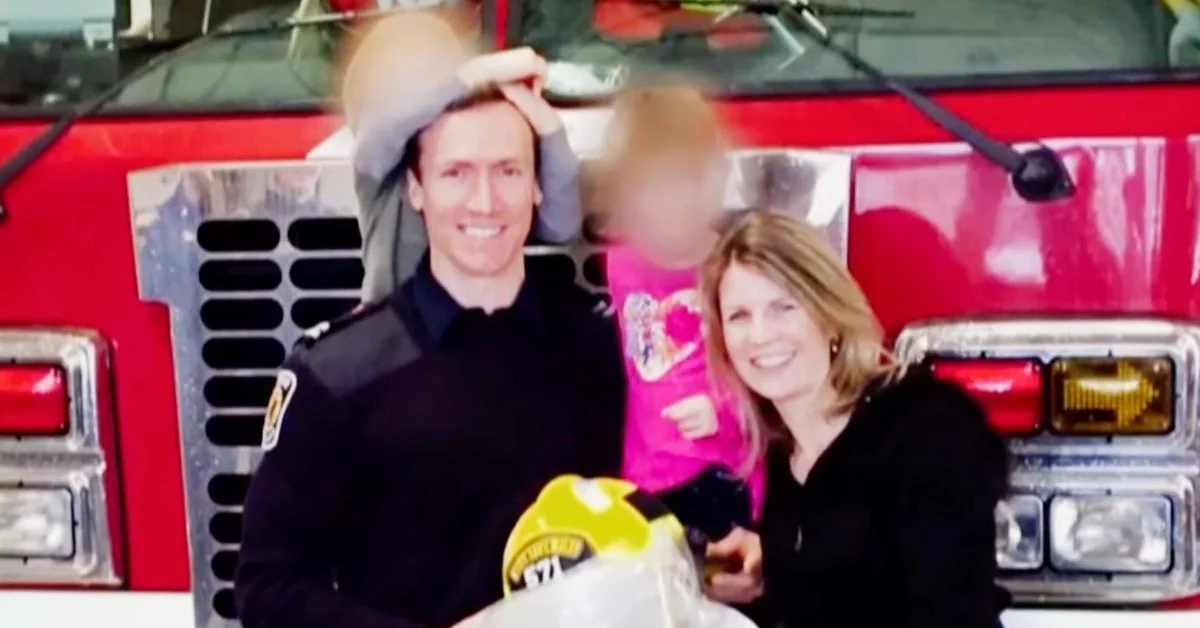
What did we learn about the marriage? Reporting shows their marriage was failing. Both were seeing other people. They still lived in the same house as Shannon prepared to move to Edmonton for new work and a fresh start. The night of the killing, alcohol, conflict, and painful words were all in the mix, according to statements in court. Burgess himself said Shannon told him she regretted marrying him. That comment became part of his account of the escalation [1][4].
No. Relationship stress is common. Most people handle it without hurting anyone. The board and the court recognized that jealous rage or a painful argument does not excuse lethal violence. The law treats this as second-degree murder. That means an intentional killing that is not planned or deliberated in advance. The sentence is life in prison, and parole is not guaranteed [1][4].
What happened in court? Burgess pleaded guilty to second-degree murder. The court imposed the mandatory life sentence with a 10-year period of parole ineligibility. That meant no parole applications could be considered until that period passed. After 10 years, the board may review applications, but release is not automatic. Any release must protect the public [1][4].
It means life-long supervision. Even if parole is granted one day, Burgess would remain under conditions and could be returned to custody for any breach or new risk. The life sentence does not end. The parole ineligibility period simply sets the earliest time the board may consider release [1].
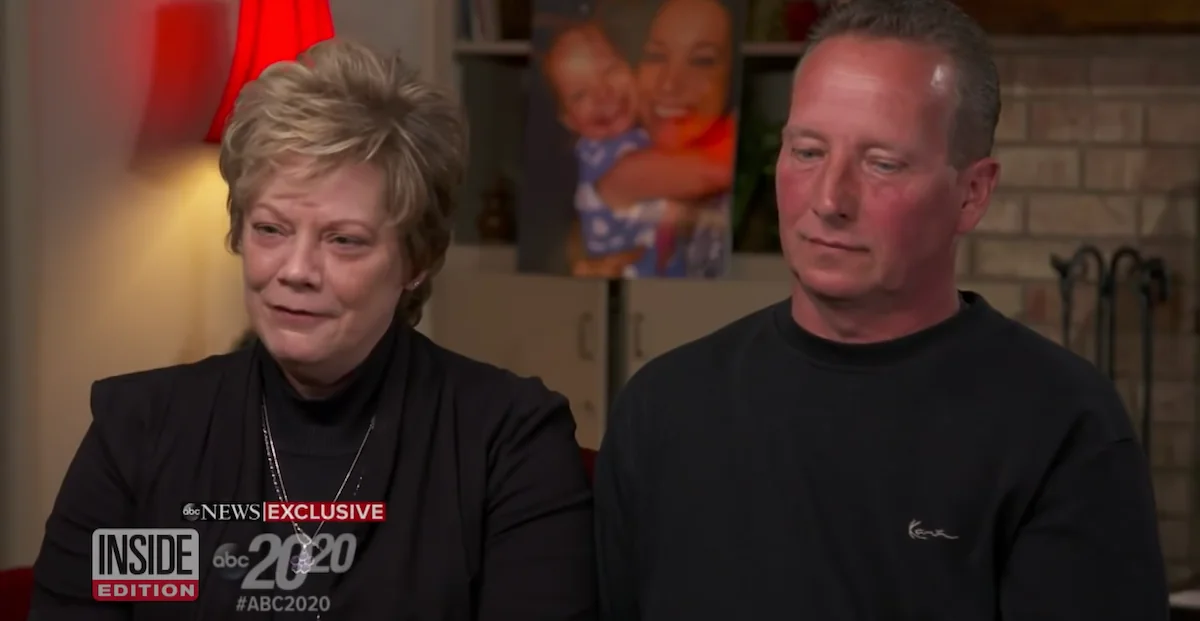
What were the pleas from Shannon’s loved ones? Family members told the board that no amount of time felt like enough after what happened. They voiced fear and deep concern, urging the board to put safety first. Their message was that releasing Burgess now would not be safe for anyone. The board referenced these safety concerns in explaining its denial [3].
Victim statements are one piece of evidence. They show harm, add context, and sometimes flag specific safety risks. Boards must weigh them along with assessments, program reports, and release plans. In serious cases with deception and intimate partner violence, victims’ and families’ insights can be especially relevant, because they often see risks that statistics alone miss.
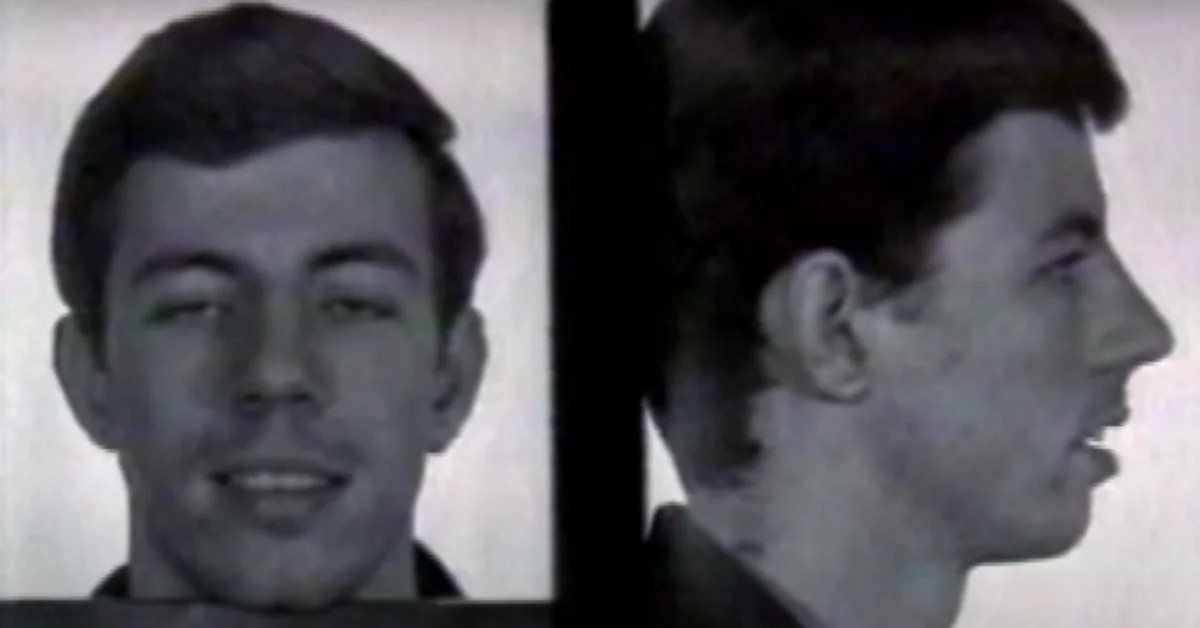
What generally helps in such bids? Applicants often present a plan that includes work training, counseling, a halfway house placement, and a relapse prevention plan. They must show how they will handle triggers like jealousy, rejection, and arguments. They also need a verified job or training plan and sober supports. Reports of the decision suggest the board was not convinced that risk would be managed under the plan presented in September 2025 [3].
It would include trauma-informed counseling, healthy relationship skills, anger and emotion management, safe housing away from known stressors, verified employment, and daily structure. It would show a track record in custody of following rules, no recent discipline, and strong community supports. It would also show honest, detailed insight into the original violence and a realistic strategy for future conflicts.
Is rehabilitation ignored in violent cases? No. The board encourages programming and progress. But its first duty is public safety. Day parole is a test of community risk under tight controls. In this case, the board decided the risk remains too high for even a controlled daytime release. That does not erase any progress Burgess may have made. It does mean more work is needed to reduce risk to a manageable level [3].
Conditions can include no-contact orders, geographic restrictions, curfews, counseling, employment or school requirements, abstinence from alcohol, and reporting to a parole officer. The board can tailor conditions to risk factors. Any breach can lead to suspension or revocation.

Can Burgess appeal the denial? Yes. Parole Board of Canada decisions can be reviewed by the PBC Appeal Division. Appeals focus on whether the board made an error in fact, law, or process, or whether the decision is unreasonable based on the record. An appeal does not rehear the case from scratch. If an appeal fails, Burgess can try again at a later review. The board often sets a time frame for the next application review window [3].
Yes. Families can submit updated victim impact statements, appear, or file written submissions for future reviews. Their lived experience, safety concerns, and ongoing harm remain part of the record. Their voices continue to matter in risk assessments.
What would move the needle? In parole, new evidence is usually new program completion, new psychological assessments, stronger support networks, and a more detailed relapse plan. Concrete progress can change how risk is seen. If truly new information about the crime emerged, it would more likely matter in a court process, not parole. But because Burgess pleaded guilty, the conviction is settled. Parole focuses on risk management, not guilt [1][3].
Fast reversals are rare. In lifer cases, change tends to be gradual. Applicants often need multiple reviews with documented progress. If risk clearly drops and supports are strong, the board may consider day parole as a stepping stone. Not before.
What special risks apply? Intimate partner homicides often arise from jealousy, control, and anger. Boards look for deep insight into these patterns. They examine past relationships, boundaries, and any stalking or threats. They test whether the person has learned skills to end relationships safely, handle rejection, and avoid escalation. If answers are thin, the board will deny release.
Yes. Hiding a body for months signals planning after the fact and a willingness to deceive family and community. That behavior undermines trust in any release plan. It also suggests the person may conceal new risks later. The board weighed that deception heavily in September 2025 [3].
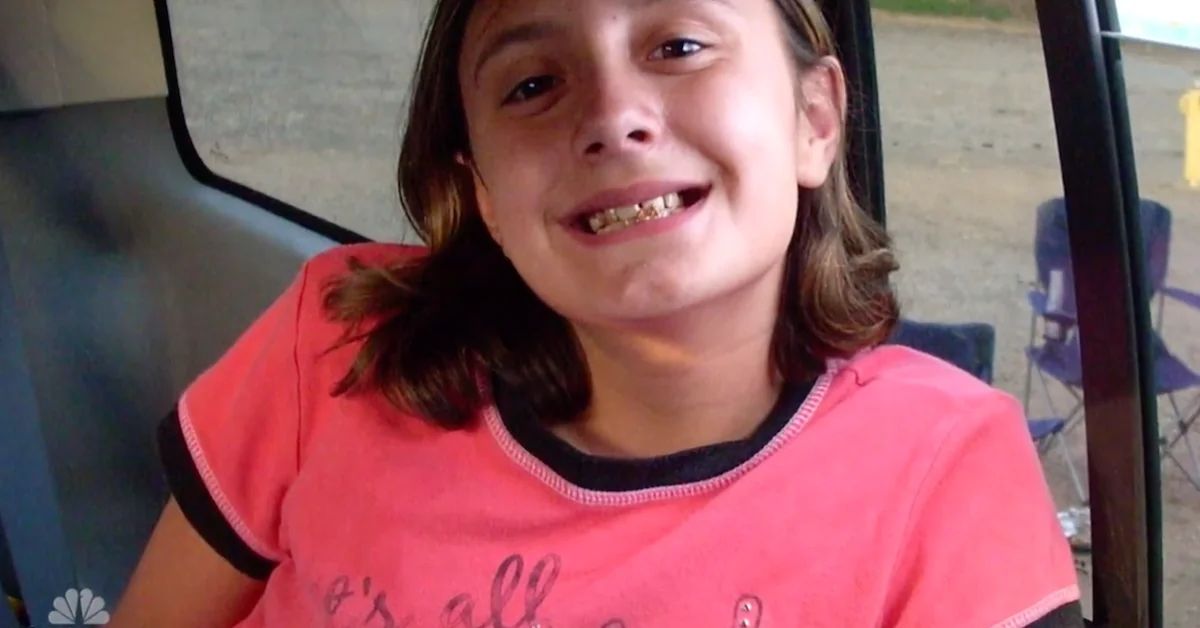
One lesson is patience. Denials do not mean change is impossible. Another is that community safety comes first when violence is this severe. The system seeks proof of insight and control over risk factors. Repeated review is built into the law. Safety remains the baseline test.
Communities can support victims of intimate partner violence, report warning signs, and back programs that prevent violence. If someone you know fears a partner, help them find confidential support and a safety plan. If there is immediate danger, call emergency services.
Stories of family violence carry echoes. Communities often rally and mourn. If you want to see how other families process grief and seek answers, you can read about another heartbreaking family story from the United States. For a different kind of media reflection, here’s a look at film marketing and emotional triggers. These pieces show how we keep trying to make sense of harm and how stories shape public understanding.
Here is a short fact sheet you can save.
| Key point | Details |
|---|---|
| Victim | Shannon Madill, 25, actress and comedian [4]. |
| Offender | Joshua Burgess, convicted of second-degree murder [4]. |
| Year of homicide | 2014 [1][4]. |
| Confession details | Strangulation with hands, then a belt; motive claimed was to silence her [2]. |
| Sentence | Life with 10-year parole ineligibility; guilty plea in 2017 [1][4]. |
| Body concealment | Hidden on the property for about seven months [2][4]. |
| Parole decision | Day parole denied in September 2025 as premature, citing risk and family concerns [3]. |
Day parole allows a person to leave prison during the day to work, study, or attend programs while returning each night to a halfway house or prison. It is a supervised step toward full parole. The Parole Board grants it only if risk can be managed.
The board called it premature. It cited the crime’s brutality, the long cover-up, and serious safety concerns raised by Shannon’s family. The board said risk could not be safely managed in the community at this time [3].
He admitted he strangled her first with his hands and then with a belt. He said he wanted her to stop talking. He hid her body for months, while the community searched for her [2][4].
It mattered in timing. The killing happened in late November. Snow and cold limited outdoor activity and helped mask signs. With deliberate concealment, that winter stretch delayed discovery [2][4].
He pleaded guilty to second-degree murder and received a life sentence with no chance of parole for 10 years. After that period, release isn’t automatic. The board must be satisfied that risk can be managed [1][4].
Yes. He can appeal to the Parole Board of Canada’s Appeal Division. Appeals focus on errors in law, fact, or process, and on whether the decision was unreasonable. If the appeal fails, he can reapply later [3].
In parole terms, new evidence usually means new treatment gains, stronger community supports, and updated assessments showing reduced risk. Because he pleaded guilty, the conviction itself is settled. Parole decisions target current and future risk.
Possible conditions include no-contact orders, geographic bans, counseling, curfew, verified work or school, abstinence from alcohol, and frequent reporting. Any breach can lead to suspension.
Reviews are periodic. The board may set a timeline for the next application or specify steps to take before reapplying. There is no guarantee of release on any future date.
Families can submit written statements, appear at hearings, and update their concerns over time. Their input helps the board understand risks and the ongoing impact of the crime.