Physical Address
304 North Cardinal St.
Dorchester Center, MA 02124
Physical Address
304 North Cardinal St.
Dorchester Center, MA 02124

Seeking facts on who died at Six Flags? Read a clear, sourced Q&A on incidents, investigations, lawsuits, and safety standards.
This report answers key questions about reports that someone died at Six Flags, with a focus on a recent wrongful death lawsuit tied to Six Flags Magic Mountain’s X2 roller coaster and broader historical context. It compiles publicly reported facts, outlines how investigations work, and explains the legal and safety frameworks that apply to U.S. amusement parks. The objective is to present clear, neutral, and sourced information readers can verify.
Multiple news outlets report that the family of a 22-year-old San Diego State University graduate filed a wrongful death lawsuit alleging the X2 roller coaster at Six Flags Magic Mountain caused his death after a 2022 visit to the park. The suit alleges negligence and inadequate warnings. These are allegations in a civil filing, not proven facts, and the case remains in litigation as of the latest reports [6][7].
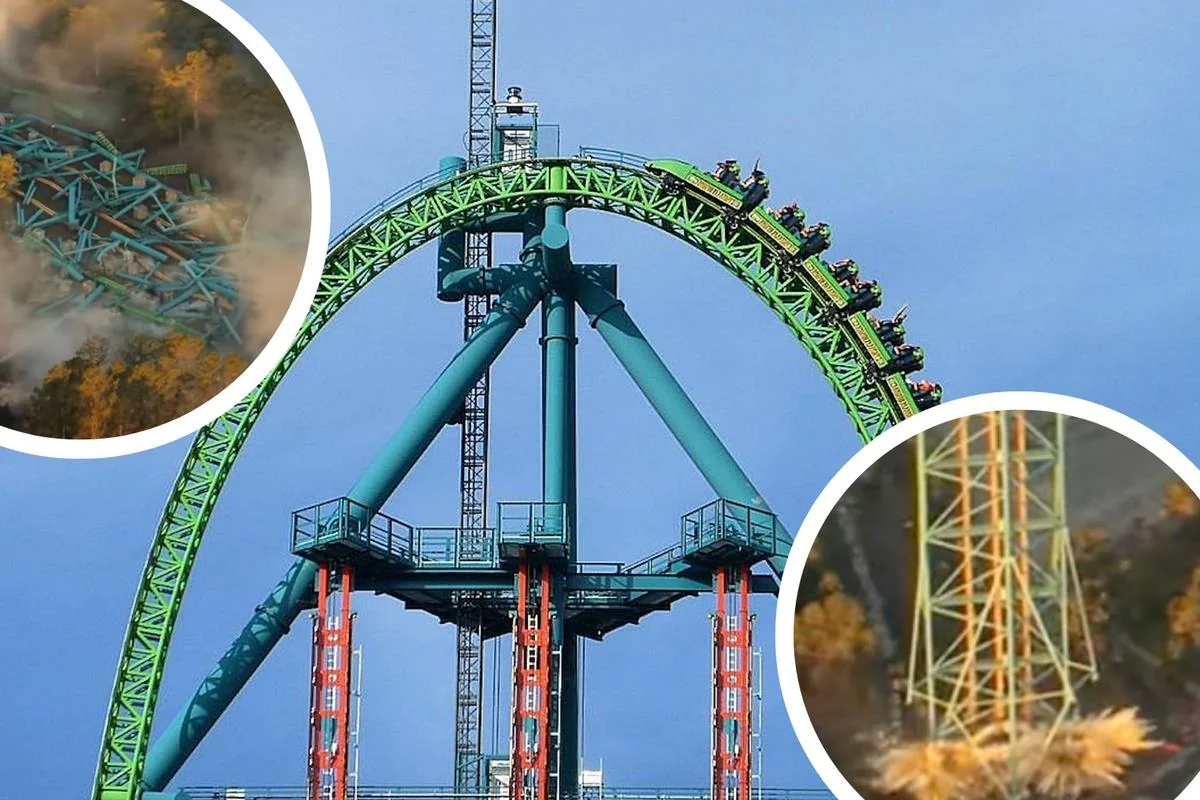
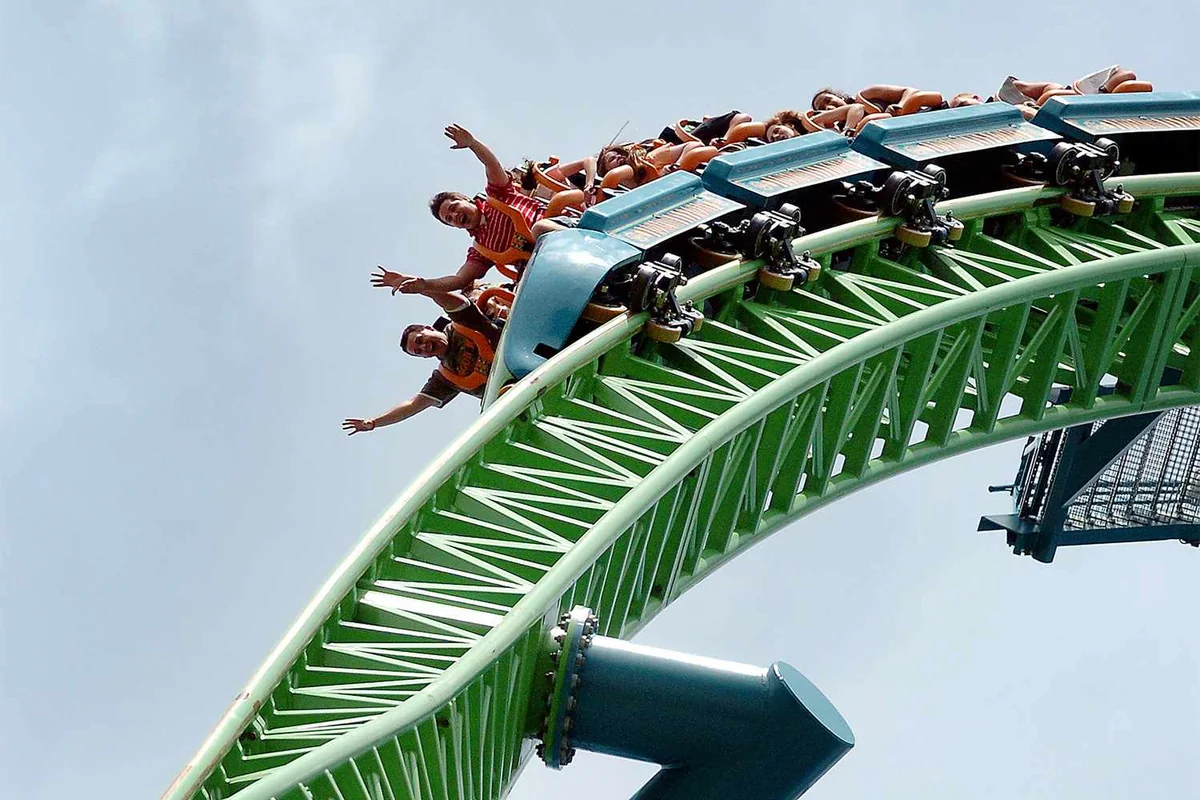
The litigation focuses on X2, a high-thrill steel roller coaster at Six Flags Magic Mountain known for seats that rotate independently from the track. Such rides are subject to daily inspections by park maintenance teams and periodic oversight by state regulators, as well as manufacturer guidelines for operations and maintenance. Specific operational findings for the ride related to this case have not been publicly released in full at the time of writing [6][7][8].
News reports indicate the visit and subsequent medical emergency tied to the claim occurred in 2022, followed by a death and the later filing of a wrongful death complaint naming the park and other parties. The outlets describe the family’s account of what happened during and after the ride, along with their theories about causation. These accounts reflect the plaintiffs’ position and will be examined through discovery and expert testimony in court [6][7].
The family’s complaint alleges that Six Flags Magic Mountain and other defendants, including entities connected to the ride’s design or manufacture, failed to provide adequate warnings, allowed an unreasonably violent ride experience, and did not take reasonable steps to protect riders. Causes of action typically include wrongful death, negligence, and failure to warn, though the precise legal theories depend on the filed complaint. The defendants have the right to respond, contest allegations, and present their own experts and evidence [6][7].
At the time of the initial news reports, the defendants had not provided detailed public comment on specific claims in the complaint. It is common for companies to state that safety is a top priority and that they do not comment on pending litigation. Formal positions are usually set out in court filings where defendants may deny liability, challenge causation, or argue compliance with applicable standards [6][7].
In California, multiple entities may be involved after a serious ride incident. Local law enforcement coordinates emergency response, while the county medical examiner or coroner determines the cause and manner of death. The California Division of Occupational Safety and Health’s Amusement Ride Unit oversees fixed-site ride safety, including registration and inspections, and may review incidents for compliance issues. Insurers and private experts for both plaintiffs and defendants also analyze technical and medical evidence [8].
| Agency | Role |
|---|---|
| Local Police/Fire | Emergency response, scene management |
| County Coroner/ME | Autopsy, cause and manner of death |
| Cal/OSHA ARU | State oversight of fixed-site rides |
| Insurers/Experts | Technical and medical analysis in civil matters |
Cal/OSHA’s Amusement Ride Unit provides guidance and oversight for fixed-site rides in California. Its public resources explain registration, inspection, and investigation processes for ride operators [8].
Most U.S. fixed-site amusement rides follow ASTM International F24 standards, which set guidelines for design, operation, maintenance, and inspection. These standards are developed by a technical committee and inform industry best practices. States decide how to adopt and enforce these standards, and operators implement them through procedures and daily checks. Compliance with standards is relevant in investigations and litigation but does not by itself determine legal liability [9].
Key areas typically reviewed include restraint function, seat configuration, ride control systems, track and wheel condition, maintenance logs, operator training, signage, rider instructions, queue management, and pre-existing rider medical conditions. Regulators and experts may also analyze accelerations and ride dynamics to consider potential medical effects for riders with certain vulnerabilities [8][9].
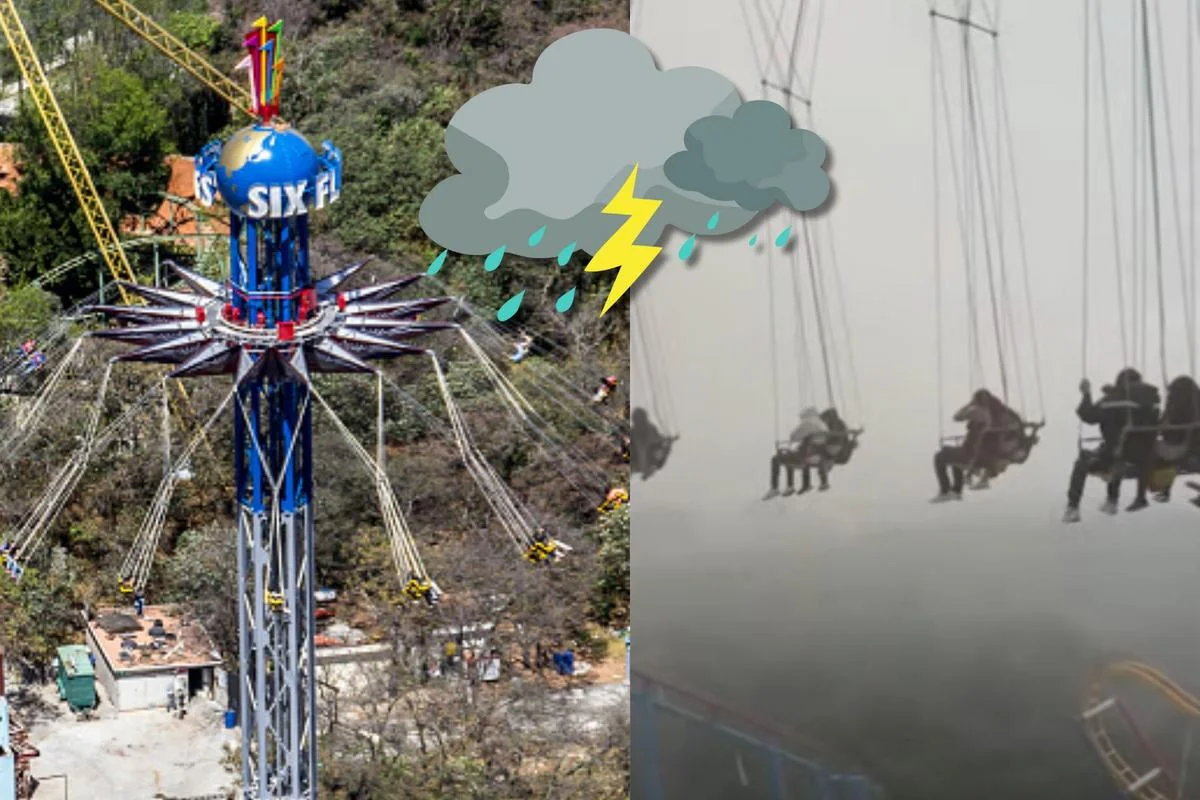
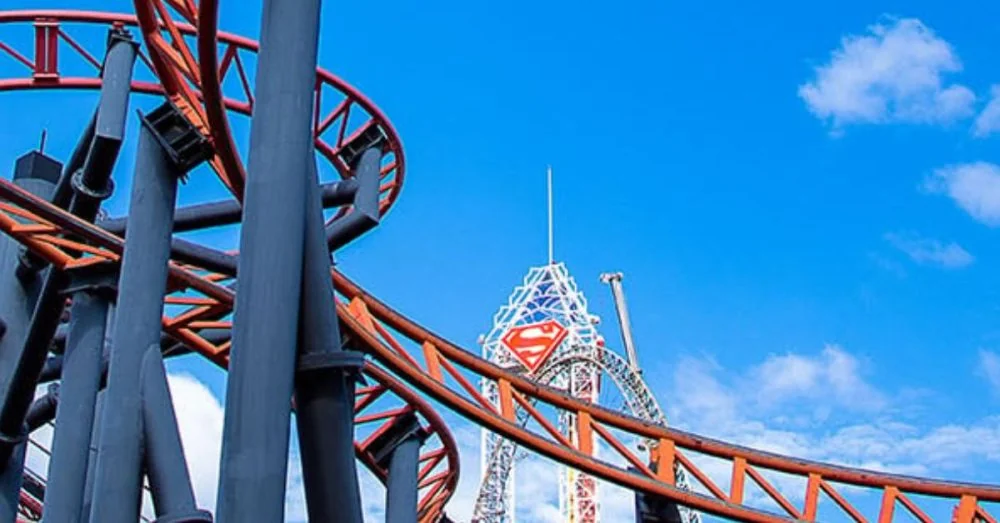
Historical reporting shows several notable fatalities at or connected to Six Flags parks. These events differ significantly in circumstances and causes, so they should not be treated as a single pattern. They do illustrate the range of risks, from fires and falls to restricted-area intrusions and medical events [1][2][3][4].
| Year | Park | Incident Summary | Source |
|---|---|---|---|
| 1984 | Great Adventure, NJ | Haunted Castle fire killed eight teenagers | [1] |
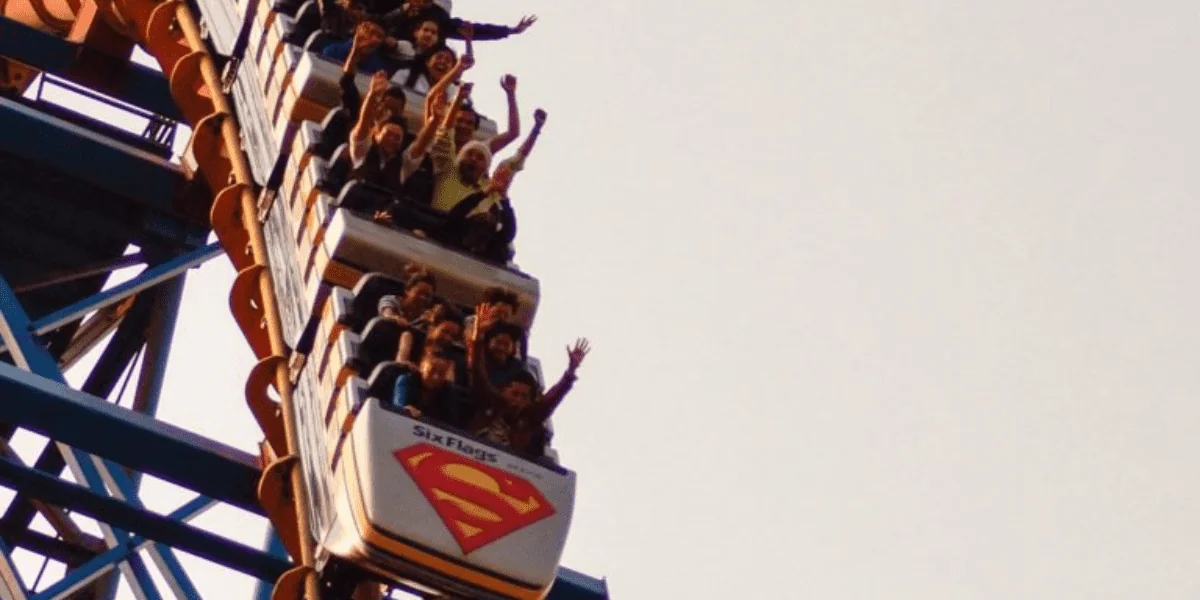
| 2004 | New England, MA | 55-year-old died after riding Superman: Ride of Steel | [4] |
| 2008 | Over Georgia, GA | 17-year-old killed after entering restricted area near Batman | [3] |
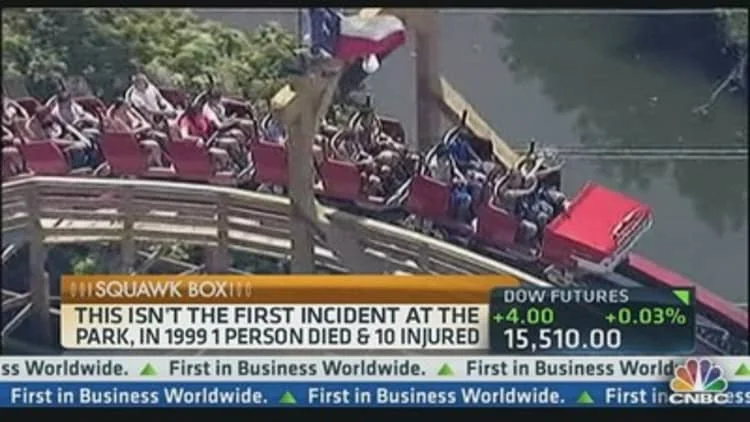
| 2013 | Over Texas, TX | Adult woman died after falling from Texas Giant | [2] |
Industry data suggests that the chance of sustaining a serious injury on a U.S. fixed-site amusement ride is roughly 1 in 15.5 million rides, according to IAAPA. That statistic offers context for overall risk, but it does not diminish the significance of individual tragedies or the need for rigorous safety practices and transparent investigations after any serious event [5].
Wrongful death claims usually start with a complaint alleging negligence or related theories, filed by a decedent’s heirs or estate. A case then moves into discovery, where both sides request documents, conduct depositions, and hire experts. Plaintiffs may present evidence of operational failures, inadequate warnings, or design issues. Defendants often argue compliance with regulations and standards, challenge causation, and present alternative explanations grounded in engineering and medicine.
Many cases settle before trial, sometimes after expert reports or key depositions. If a case goes to trial, jurors consider liability and, if applicable, damages, which may include economic losses and non-economic harm as defined by state law. The result of any single case depends on evidence, expert credibility, and legal standards in the jurisdiction.
Statutes of limitations vary by state. The information below is general and may change. Families should consult a licensed attorney promptly for state-specific advice.
| State | Typical Wrongful Death Deadline | Notes |
|---|---|---|
| California | 2 years | Claims against public entities may require earlier notices |
| Texas | 2 years | Tolling may apply in limited circumstances |
| Georgia | 2 years | Estate and survival claims can affect timelines |
Always confirm timing with counsel, as exceptions and special rules can alter deadlines.
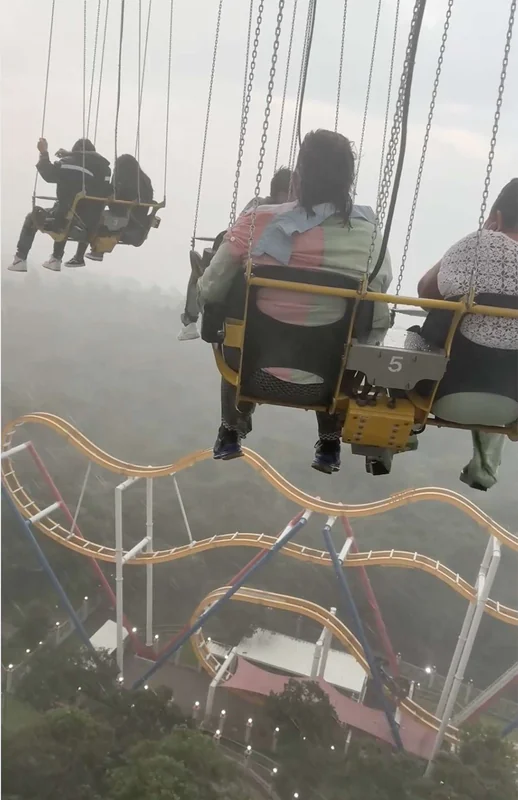
Investigations often turn on the quality of evidence collected early. Families and their representatives typically seek to preserve:
In California, parties can request relevant records, and Cal/OSHA’s Amusement Ride Unit may have materials related to inspections or compliance. Access and confidentiality rules vary, so legal counsel can guide requests and preservation letters [8].
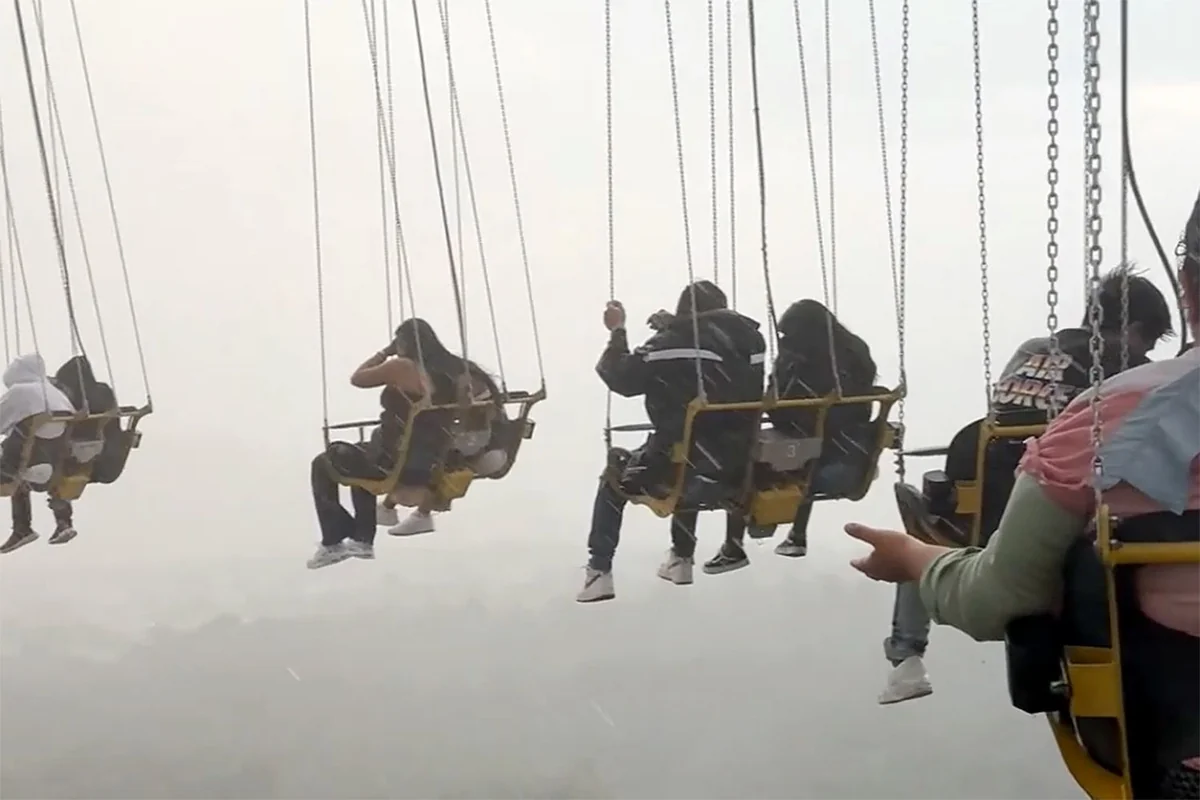
Medical causation is central to ride-related fatality cases. Experts may examine:
Courts weigh expert opinions, peer-reviewed literature, and autopsy results to determine if a ride experience more likely than not caused or contributed to a death. The outcome depends on case-specific medical facts and expert credibility.
Serious injuries and deaths are rare relative to overall ride usage, according to industry reporting and safety research. IAAPA estimates the chance of serious injury on a U.S. fixed-site amusement ride is about 1 in 15.5 million rides. These figures help contextualize risk but do not speak to causation in any single incident [5].
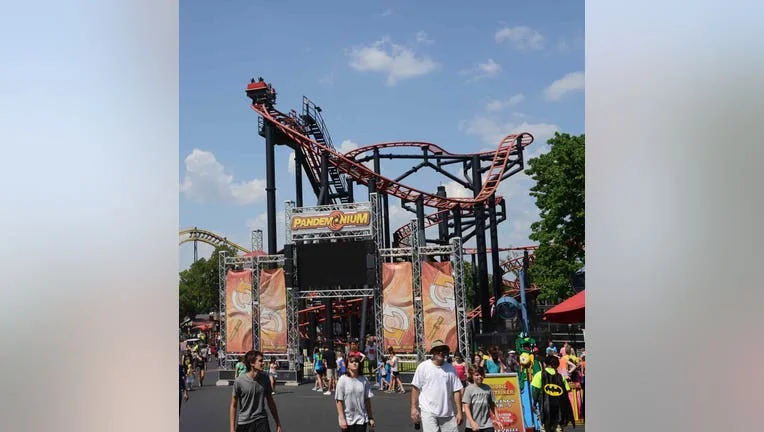
As of the latest reporting, the case concerning the 22-year-old SDSU graduate is in litigation. News stories describe the filing of the wrongful death lawsuit and summarize the family’s claims. Defendants are expected to respond through the court process. No final judicial findings or settlements have been publicly reported in those initial articles. Readers should monitor official court dockets and credible news outlets for updates [6][7].
For California ride oversight, consult Cal/OSHA’s Amusement Ride Unit for fixed-site ride guidance and public contact information. ASTM International’s F24 Committee page explains the standards many parks and manufacturers follow. Historical reporting on significant incidents is available from major news outlets listed in the references. Always verify claims against primary documents such as complaints, inspection records, and autopsy reports [1][2][3][4][5][8][9].
For broader media literacy and how headlines can shape risk perceptions, see our related analyses: a case study on marketing warnings and an explainer on viral narratives.
Several evidence-based points emerge from public reporting and official resources:
They report that the family of a 22-year-old SDSU graduate filed a wrongful death lawsuit alleging the X2 roller coaster caused a fatal brain injury after a 2022 visit. The suit names the park and other entities. The allegations are contested and unresolved as of publication [6][7].
No. At the time of reporting, the case was in early litigation and no final court determination on causation or liability had been issued [6][7].
Cal/OSHA’s Amusement Ride Unit oversees fixed-site amusement rides in California, including registration and inspections, and may review incidents for compliance issues [8].
Many U.S. parks and manufacturers align with ASTM International F24 standards covering design, operation, and maintenance. States decide how to incorporate these standards into oversight [9].
Historical incidents include the 1984 Haunted Castle fire in New Jersey that killed eight teenagers, a 2008 restricted-area fatality in Georgia, and a 2013 fall from Texas Giant in Texas. There was also a 2004 post-ride death in Massachusetts where authorities cited underlying heart disease [1][2][3][4].
IAAPA estimates the chance of being seriously injured on a U.S. fixed-site amusement ride is about 1 in 15.5 million rides [5].
Families may consider wrongful death and related claims. Cases typically involve expert analysis of causation, safety practices, and compliance with standards. Filing deadlines depend on state law.
Vital materials include ride data and logs, maintenance and inspection records, operator training files, witness information, incident photos or videos, and medical and autopsy records.
Medical examiners and experts assess whether a death was caused by natural disease, trauma, or a combination. Litigation often turns on expert opinions and autopsy findings.
See coverage by ABC7 and CBS8 for the filing and initial allegations, and consult court dockets for procedural updates. Always cross-check with official records [6][7].