Physical Address
304 North Cardinal St.
Dorchester Center, MA 02124
Physical Address
304 North Cardinal St.
Dorchester Center, MA 02124

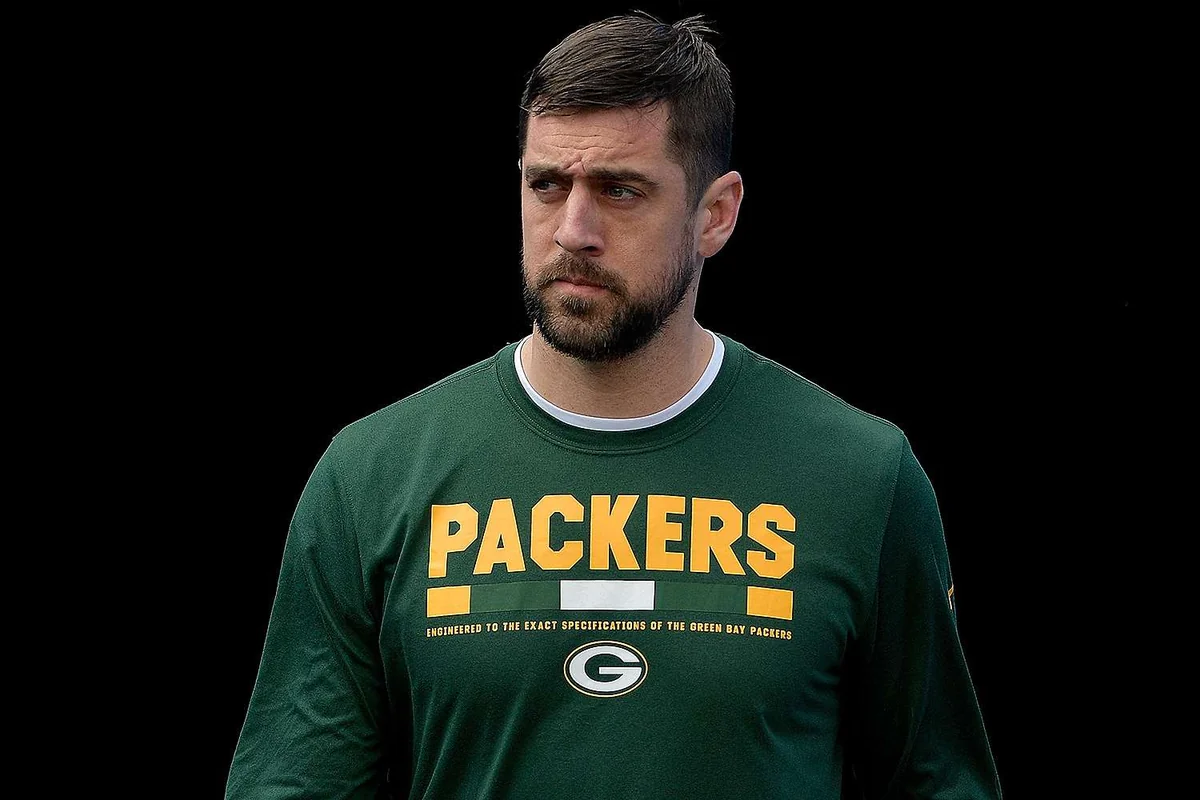
Curious about Aaron Rodgers religion? Explore his upbringing, ayahuasca, darkness retreats, quotes, and timeline in a balanced, source-backed guide today.
When a four-time NFL MVP publicly explores spirituality, questions about religion quickly follow. Aaron Rodgers draws interest because he speaks candidly about questioning organized religion, embraces personal growth practices like ayahuasca ceremonies and darkness retreats, and addresses how faith and spirituality intersect with elite performance and public life. Fans want clarity on whether he is religious, what he believes now, and how those beliefs shape his choices on and off the field.
The short answer is that there is no verified, current denomination or church affiliation that Aaron Rodgers publicly claims. In recent years, he has described a move away from organized religion toward a broader, personal spirituality focused on inner growth, mindfulness, gratitude, and responsibility. Coverage of his own remarks indicates he does not frame wins or losses as determined by God and is skeptical of specific doctrines he grew up with [1][7].
Rodgers has pushed back on the idea that God decides game outcomes, saying in reported remarks that he does not believe a higher power chooses winners or losers on Sundays. This reflects his preference for personal accountability over attributing results to divine intervention [1][7].
Rodgers grew up in a Christian household and participated in church life during his youth, which provided community, values, and a moral framework often cited in profiles about his early years. As an adult, he has talked about reconsidering some of those beliefs and practices, leading to a more individualized spiritual path [1][2].
Public comments over the mid-2010s into 2020 suggest Rodgers increasingly questioned certain doctrines, including the concept of hell and exclusivist teachings, and he began to separate institutional religion from his pursuit of personal meaning. He has discussed how reexamining faith affected family relationships, saying that questioning religion changed those dynamics, a topic he addressed in interviews and later media coverage [1][2].
Rodgers has talked about practices that center self-inquiry rather than institutional creeds. These include mindfulness and meditation, intentional gratitude, plant medicine work described in media as ayahuasca ceremonies, and periods of solitude such as darkness retreats. Major outlets reviewing his recent docuseries coverage note these as part of his current spiritual toolkit, particularly the ayahuasca experiences highlighted in the Netflix series coverage [3][4][5][6].
| Topic | Summary |
|---|---|
| Self-identification | Non-religious in the denominational sense, emphasizes personal spirituality [1][7][8] |
| Key practices | Mindfulness, gratitude, plant medicine experiences, solitude retreats [3][4][5] |
| Public stance on outcomes | Does not believe God determines game results [1][7] |
| Privacy | Discusses spirituality selectively, without formal affiliation [1][7][8] |
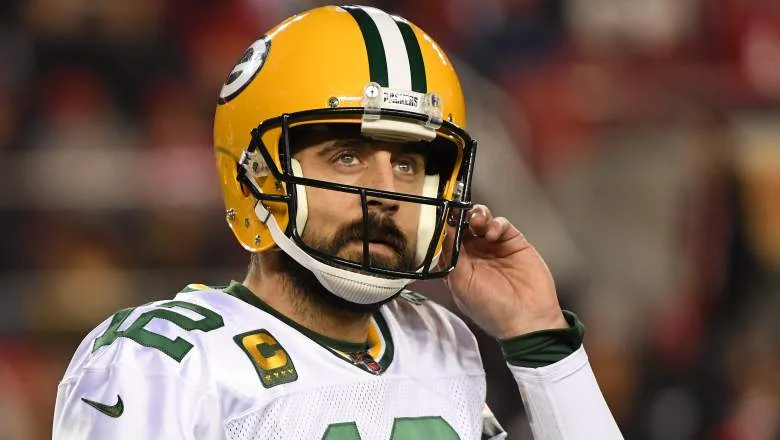
Ayahuasca is a plant-based brew traditionally used in certain South American ceremonial contexts. In media coverage of Rodgers’ interviews and the Netflix docuseries, he describes his ayahuasca experiences as personally meaningful for introspection and growth rather than as adherence to a formal religion. Reports note that parts of his ayahuasca journey are depicted or discussed in the docuseries and related interviews, including ceremonies outside the United States [3][4][5][6].
Ayahuasca contains DMT, a substance restricted under U.S. federal law, though legal status can differ by country and by religious exemptions in limited contexts. Ceremonial use is not risk free. It can interact with medications and may pose physical or psychological risks, especially for people with certain health conditions. This guide is informational and not medical advice. Anyone considering such practices should consult qualified medical professionals and carefully review local laws [3][4][5].
Darkness retreats involve extended time in near-total darkness, typically in solitude, to heighten introspection, reset attention, and explore inner experiences. Rodgers has discussed taking a darkness retreat and has described it as part of his personal exploration. Media accounts connect the practice to his broader spiritual path and to themes of humility, acceptance, and clarity that he has discussed in interviews and coverage of his docuseries [3][4].
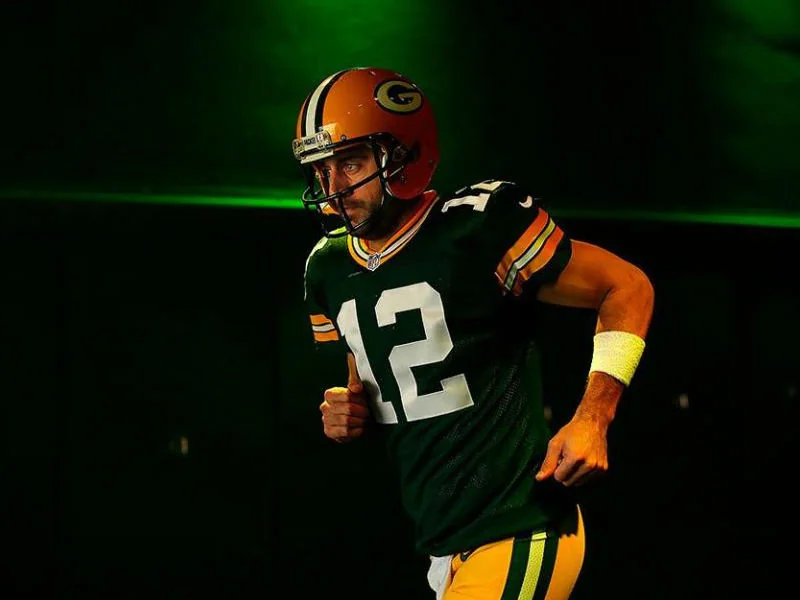
Rodgers tends to frame performance through mindset, preparation, and gratitude. Media summaries of his remarks emphasize that he avoids attributing outcomes to divine favoritism and focuses more on personal responsibility and presence. Whether discussing adversity, leadership, or aging in the league, his comments generally lean toward introspective themes and skepticism about rigid dogma [1][3][4].
Coverage also notes that his independent streak around health, politics, and public debates mirrors his approach to religion. The throughline is questioning assumptions, examining evidence for himself, and pursuing what he finds meaningful, regardless of labels or expectations [3][4].
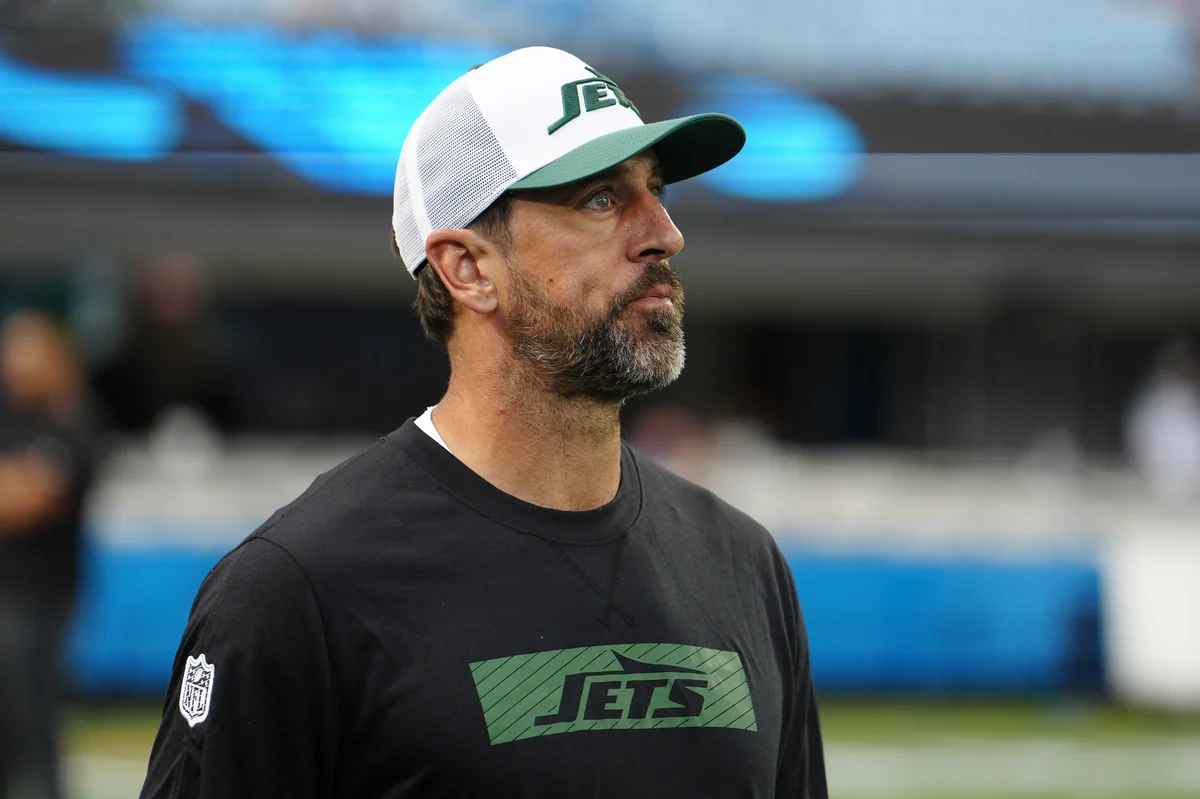
Below is a concise, source-backed timeline tying together his upbringing, public questioning, and recent practices discussed in media. Exact dates reflect public reporting rather than a definitive personal chronology.
| Period | Belief Milestone |
|---|---|
| Youth | Raised in a Christian household with active church involvement, which shaped early values and community experiences [1]. |
| Mid-2010s to 2020 | Public comments increasingly question organized religion and certain doctrines, emphasizing personal responsibility and skepticism of dogma [1][7][9]. |
| 2020 | Long-form interview coverage highlights his distinctions between religion and spirituality, including remarks about hell, salvation, and divine control of outcomes [1]. |
| 2022 | Discussion of ayahuasca experiences enters mainstream coverage through interviews, setting the stage for later docuseries attention [3][4]. |
| 2023 | Media coverage of his darkness retreat underscores his ongoing exploration of introspective practices [3][4]. |
| 2024 | Netflix docuseries coverage centers on ayahuasca, Costa Rica ceremonies, and his broader spiritual exploration, further separating his views from traditional denominational identity [3][4][5][6]. |
Each step shows a consistent arc: from inherited faith, through questioning, toward practices that focus on inner experience, curiosity, and self-accountability.
Based on coverage of his remarks, Rodgers treats religion as a set of doctrines and institutions, while he treats spirituality as a personal practice aimed at growth, clarity, and compassion. He has signaled respect for moral ideals and the example of nonjudgmental love, while objecting to exclusivist or punitive doctrines. In short, his public statements separate labels from lived values and daily habits [1][2].
Media portrayals vary. The Netflix docuseries coverage frequently foregrounds the dramatic elements of plant medicine and retreats, which does capture real pieces of his story but can eclipse the quieter daily practices and philosophical inquiry that also matter to him. Reporting from mainstream outlets tends to balance the spectacle with context, quoting his own words about personal responsibility, humility, and skepticism of dogma [3][4][5].
His interviews, meanwhile, often emphasize openness and inquiry over definitive theological claims. That difference can create a perception gap: the public sees a headline about ayahuasca, while Rodgers highlights the interior lessons he draws from these experiences [3][4].
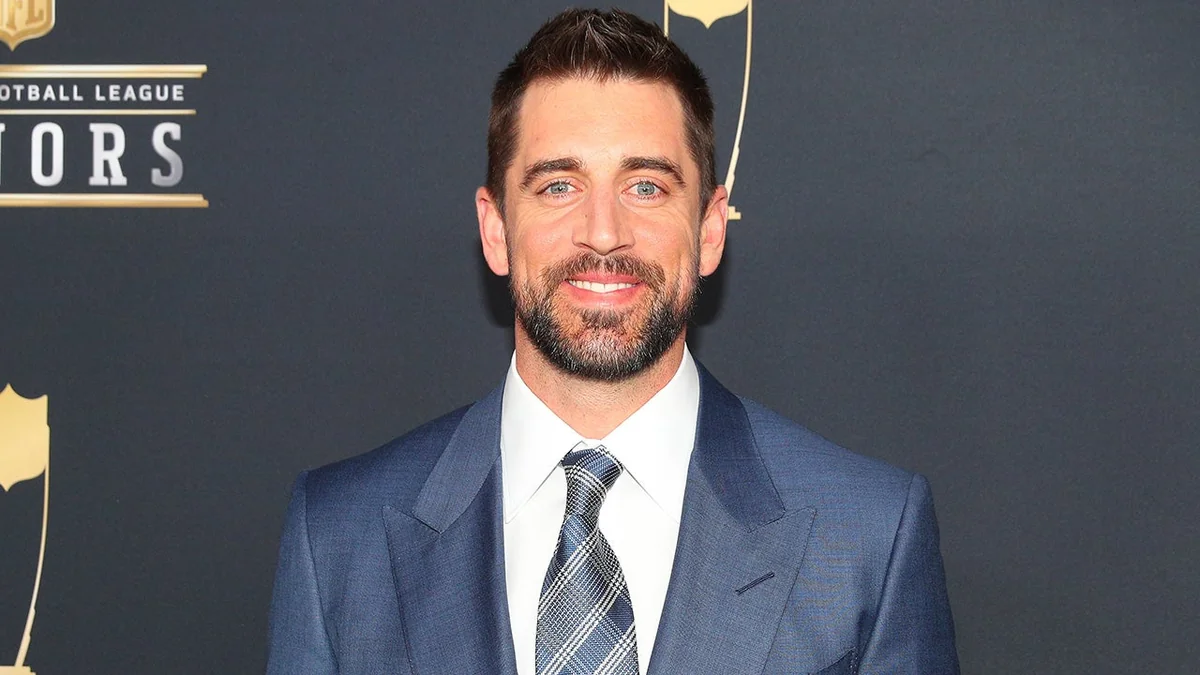
Curiosity about public figures is natural. Still, Rodgers has indicated a desire for privacy about personal matters and avoids strict labels. Respectful engagement means recognizing that deconstructing childhood beliefs can be complicated and that spiritual inquiry often evolves. Fans can focus on what he himself has chosen to share, weigh reputable sources, and avoid projecting assumptions beyond the record [1][2][3][4].
If you enjoy long-form stories that unpack personal journeys, you might also like these features:
Rodgers’ images on and off the field often serve as shorthand for different phases of his journey. Photos from his Packers tenure evoke legacy and leadership, while images in Jets gear symbolize change and a new chapter. Red carpet or awards photos remind audiences that public narratives about him extend far beyond playbooks and box scores. These visual cues help frame how fans interpret his evolving spirituality in the context of a long, highly scrutinized career [3][4].
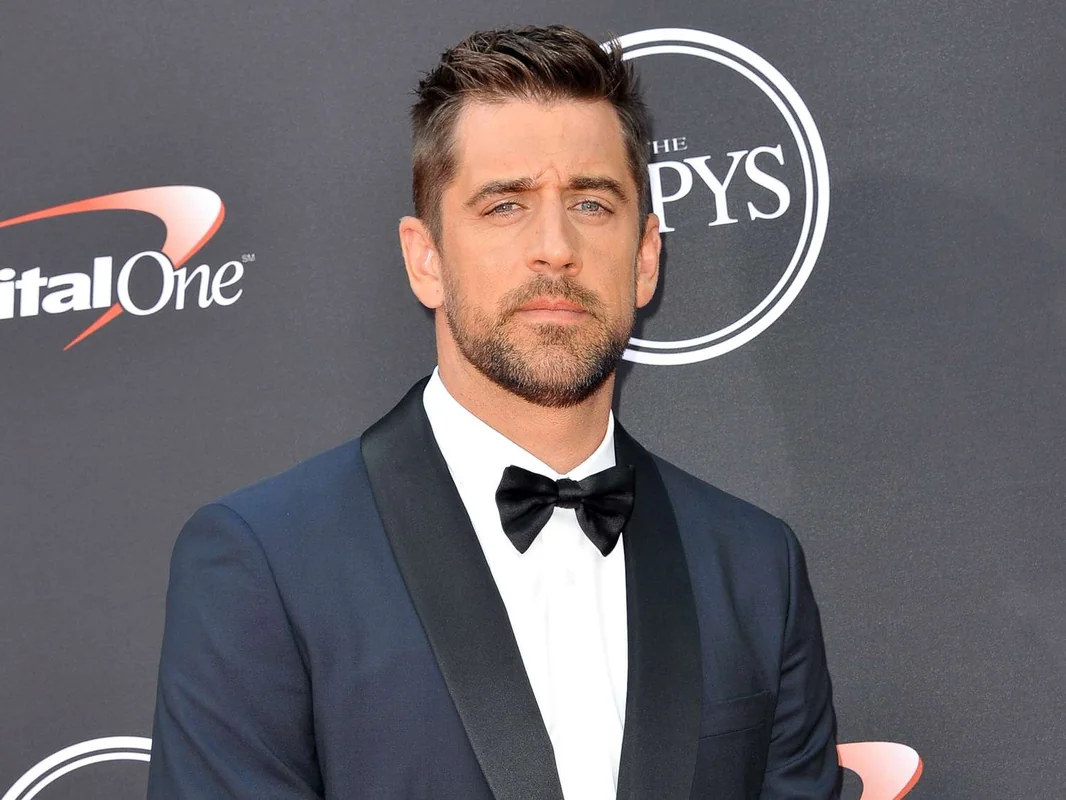

Media summaries indicate that the Netflix docuseries foregrounds his ayahuasca experiences, including ceremonies depicted or discussed in a Costa Rica context, and then zooms out to questions of identity, aging, legacy, and fame. The series and the surrounding coverage show how psychedelics, retreats, and a lifelong drive to improve converge in a single story arc. That arc is less about a formal creed than about continuous self-interrogation and personal growth [3][4][5][6].
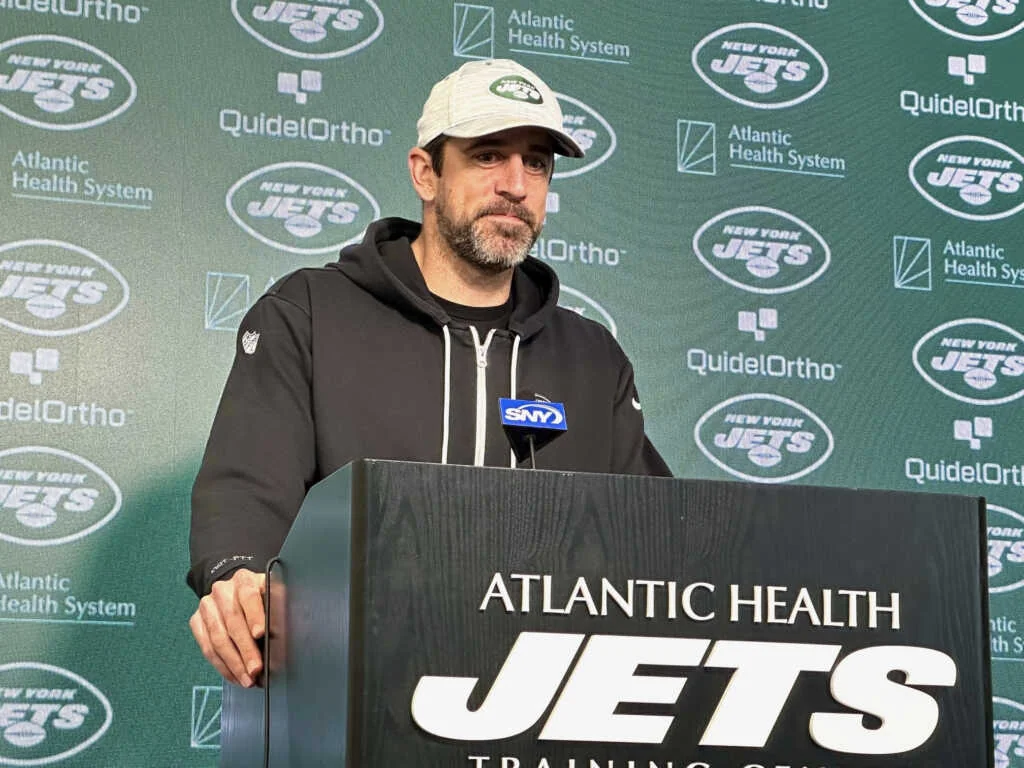
There is no verified public statement that he currently belongs to or regularly attends a specific Christian denomination or church. His comments and coverage suggest he identifies as non-religious in the denominational sense while valuing personal spirituality [1][7][8].
No reliable, consistent documentation indicates regular attendance at a particular church. He tends to keep such details private and avoids labels [1][7].
He has voiced skepticism about doctrines that condemn large segments of humanity, which contributed to his shift away from organized religion, according to reported interviews and coverage [1][7][9].
He has been quoted as saying he does not think God cares about game outcomes. This signals his preference for personal responsibility in sports performance [1][7].
Ayahuasca is a plant-based ceremonial brew used traditionally in parts of South America. Rodgers has spoken about its role in personal growth and introspection, coverage of which features prominently in the docuseries [3][4][5].
Ayahuasca contains DMT, which is restricted under U.S. federal law. Legal status varies by country and by narrow religious exemptions. Anyone considering it should research local laws and consult qualified medical professionals. This guide is not medical advice [3][4][5].
A darkness retreat is time spent in near-total darkness for introspection. Rodgers has described it as a way to deepen self-awareness and clarity, consistent with his broader spiritual exploration [3][4].
Media coverage highlights that he credits such practices with personal growth, perspective, and humility, not as magical shortcuts or guarantees of on-field results [3][4].
He has said that questioning religion affected family relationships, a topic he and the media have acknowledged without dwelling on private details [2].
Check mainstream coverage and interviews summarized by reputable outlets. The docuseries coverage and long-form reporting from established publications provide the best available context [1][3][4].