Physical Address
304 North Cardinal St.
Dorchester Center, MA 02124
Physical Address
304 North Cardinal St.
Dorchester Center, MA 02124

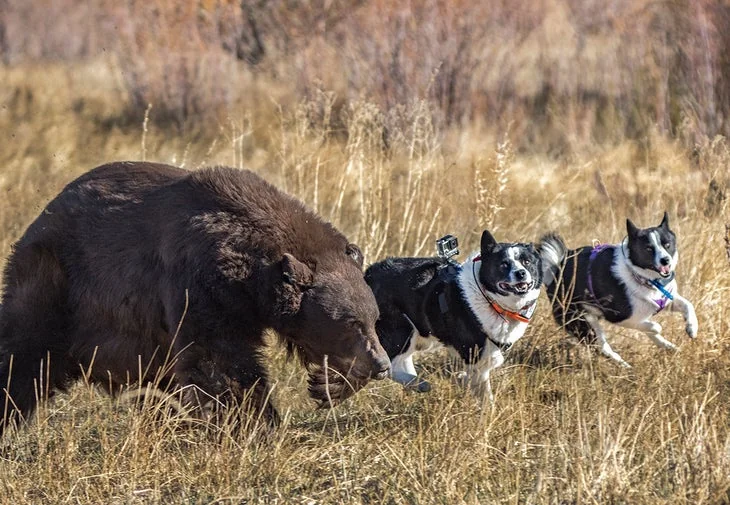
Curious about bear with dogs encounters? Learn proven safety steps, working breeds, training, laws, and gear to reduce risk today.
People search for bear with dogs videos and stories because the clips feel dramatic and immediate, and because many hikers, campers, and pet owners live or travel in bear country. Viewers wonder if dogs can protect their families, or if these encounters are accidents waiting to happen. This guide uses a safety first approach and summarizes what wildlife agencies, conservation groups, and professional dog handlers teach about dogs near bears, so you can make decisions that lower risk for you, your dog, and the bear [1][2][3][4].
The most common misconception is that an average pet dog will reliably protect a person from a bear. In reality, unleashed or poorly controlled dogs often escalate encounters by chasing a bear and then running back to their owner with a stressed bear following. Multiple agencies warn that loose dogs can provoke defensive behavior in bears and increase danger to people [1][2][3]. Another misconception is that specialized working dogs make public recreation safer. Wildlife officers do use trained dogs for specific management tasks, but that is not the same as a pet acting as personal protection. Public safety guidance still prioritizes leashes, distance, and bear spray for people recreating with dogs [1][2][4][8].
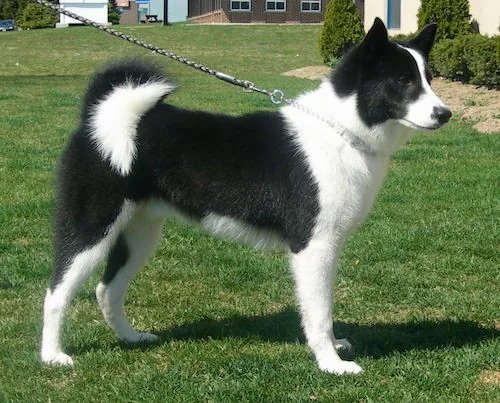
Use a calm, step-by-step approach that lowers arousal for both dog and bear. These steps reflect common guidance across North American wildlife agencies [1][2][3][4][8][12].
These steps aim to prevent close contact. Prevention is the best tool you have when walking a dog in bear habitat [1][2][3].
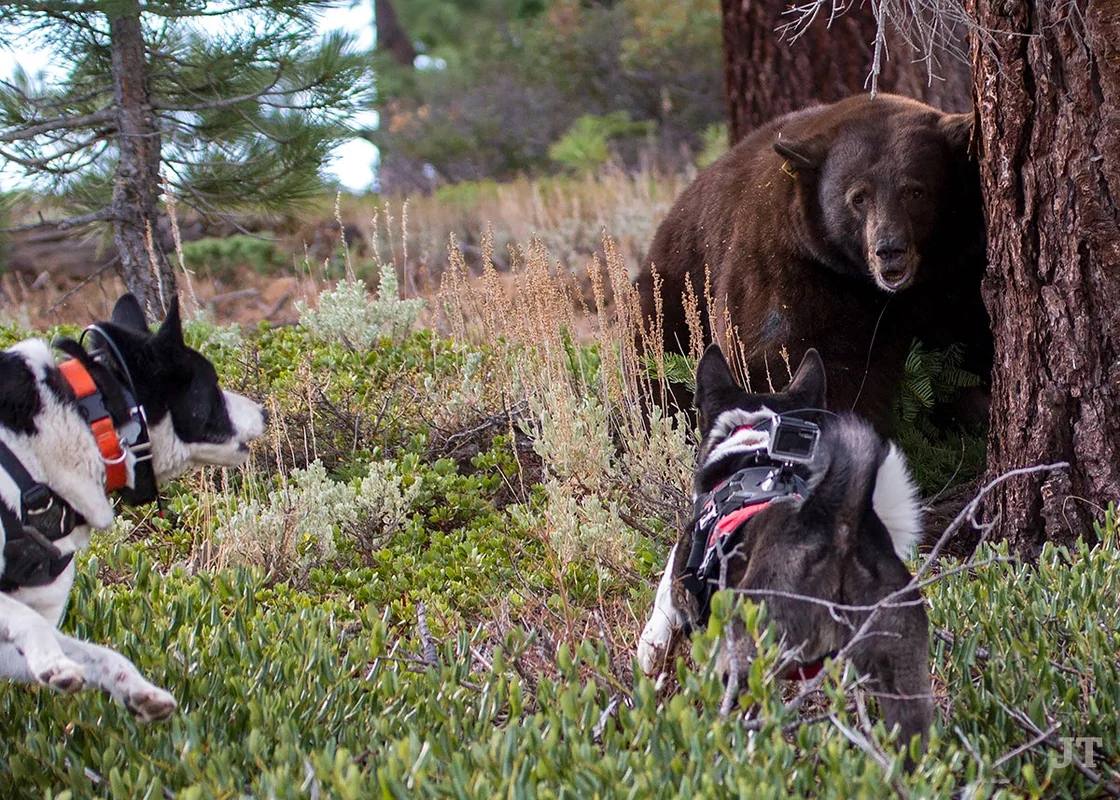
Not all dogs do the same job. The role matters because it shapes instincts, training, and legal limits.
| Dog role | Primary purpose and notes |
|---|---|
| Aversive conditioning dog | Professional hazing of food-conditioned bears under agency oversight; not for casual recreation [6][7] |
| Livestock guardian dog | Protects livestock as part of integrated husbandry; deters rather than chases predators [5] |
| Hunting hounds | Used under specific regulations; carries risk and is controversial; not a public safety tool [2] |
| Pet companion | Should remain leashed and under control; rely on prevention and bear spray [1][2][8] |
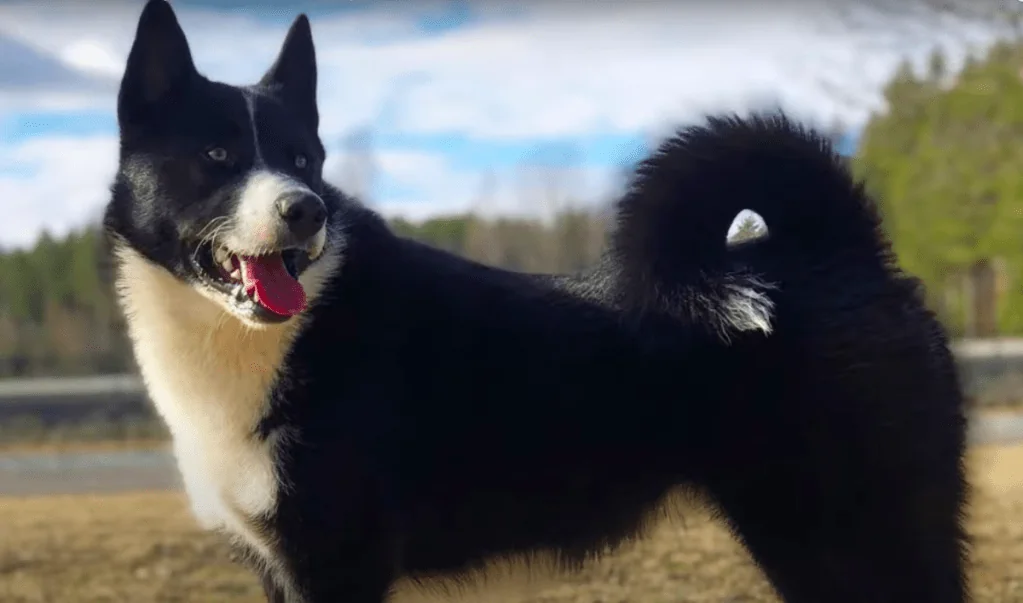
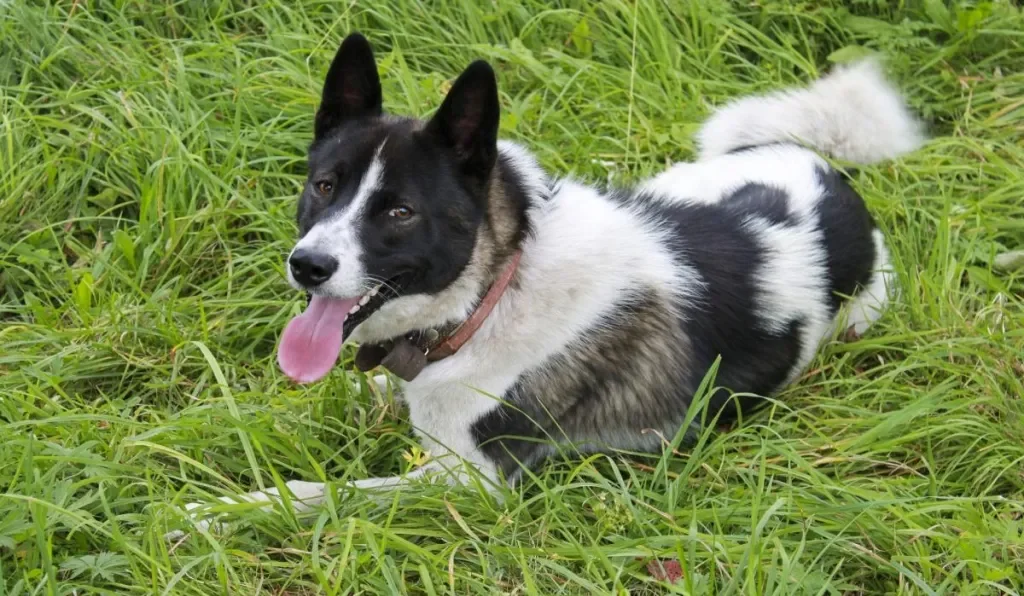
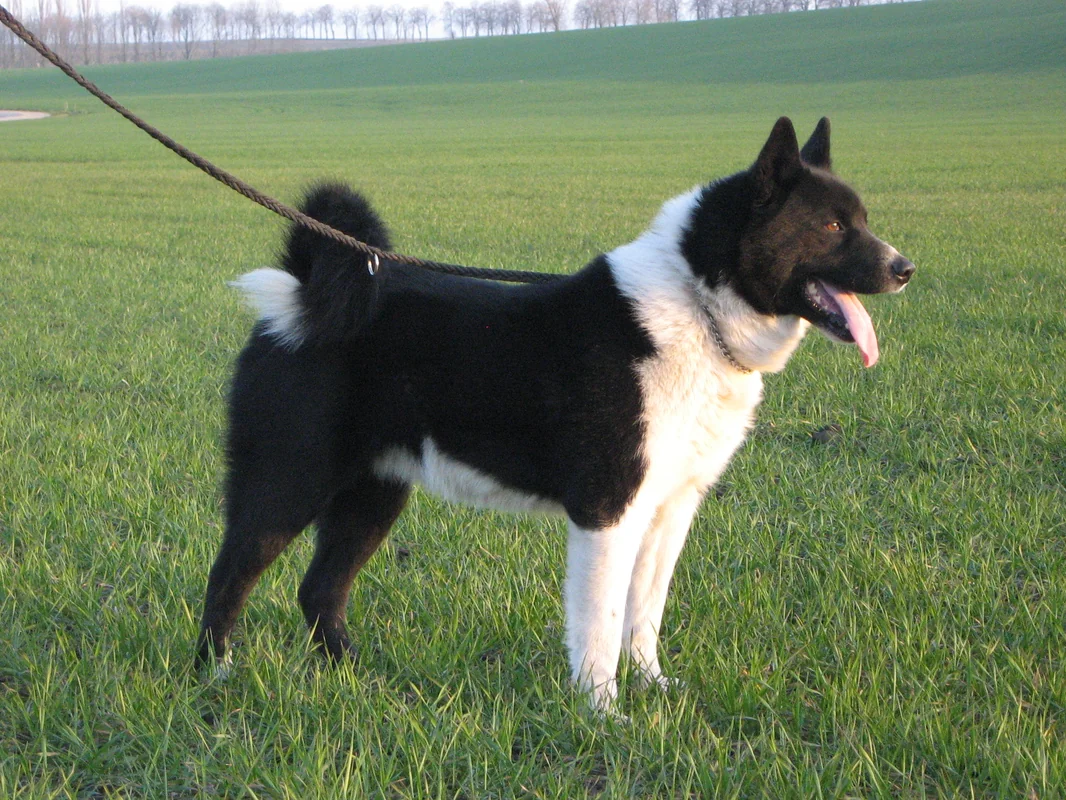
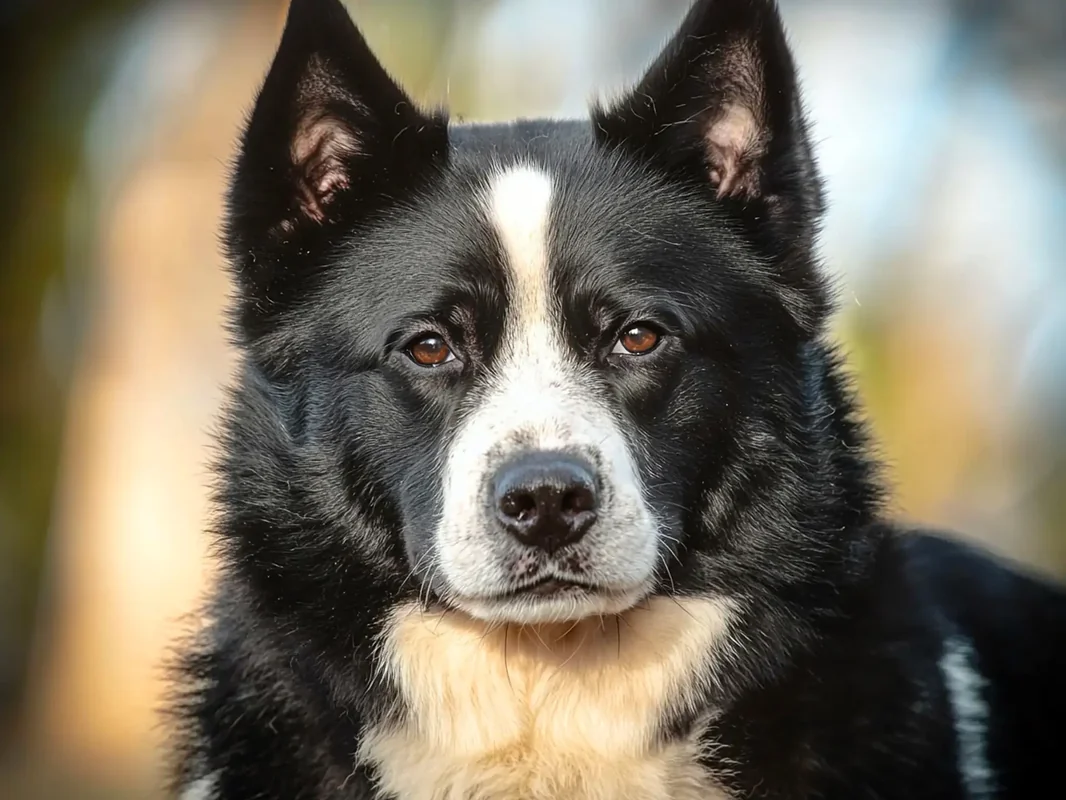
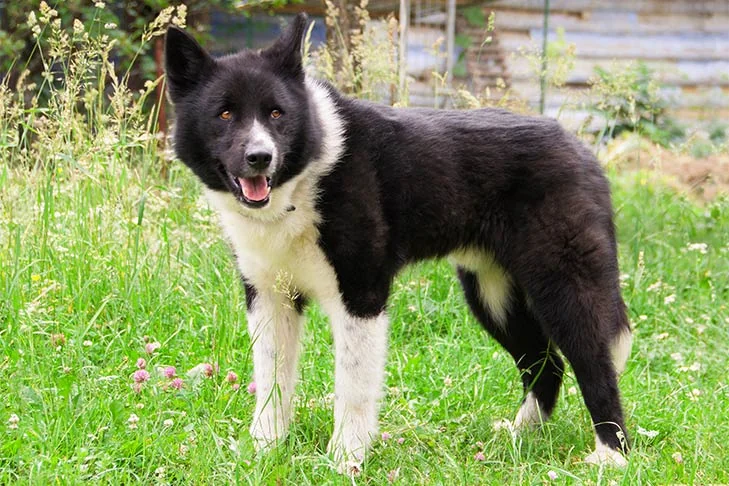
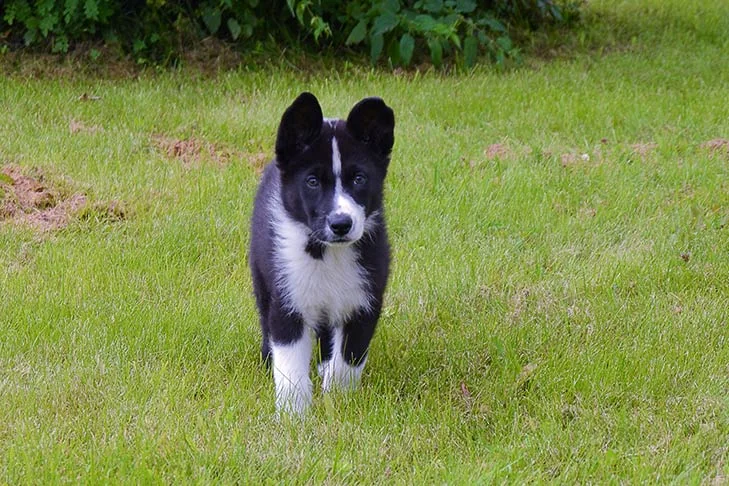
For wildlife hazing and aversive conditioning, the breed most often mentioned by North American agencies is the Karelian Bear Dog. Karelians are medium-sized, quick, loud, and highly responsive to handlers when trained correctly. They are used by programs like the Washington Department of Fish and Wildlife and the Wind River Bear Institute for non-lethal bear shepherding that teaches food-conditioned bears to avoid people and developed areas [6][7]. The breed’s history traces to Finland and northwestern Russia, where it worked large game including brown bears. Its conformation favors agility, vocalization, and grit rather than brute force [9][10][11].
For livestock protection, common guardian breeds include Great Pyrenees, Maremma Sheepdog, Akbash, Anatolian Shepherd, and Karakachan. These dogs are selected for calm confidence, bonding to livestock, and a posture that discourages predators. USDA notes that LGDs are most effective when integrated with fencing, husbandry, and human presence, and that no single tool or breed can guarantee prevention of bear depredation [5].
For pet homes in bear country, breed matters less than training and control. Even a small, alert dog can warn you of movement, but any dog can escalate a situation if it chases or corners wildlife. The priority is obedience, a reliable leash routine, and your readiness with bear spray [1][2][8].
Regional species and local conditions influence risk and response. In North America, black bears are widespread, brown or grizzly bears inhabit parts of the Rockies, Alaska, and Canada, and polar bears occur in the far north. Agency advice emphasizes prevention for all species, but terrain, visibility, food conditioning, and season matter [1][2][3][8].
Local rules differ. Many national parks and protected areas restrict dogs or require leashes at all times to reduce risk to wildlife and visitors. Check regulations before you travel [3][4].
Focus on calm control and prevention rather than confrontation. The goal is not to make your dog braver. The goal is to make your dog predictable, responsive, and quiet enough that you can de-escalate quickly [1][2][8].
Good training reduces the chance your dog will bolt, corner wildlife, or ignore your cues when it matters most [1][2].
Prepare a kit that supports prevention, control, and response.
| Item | Key tip for use |
|---|---|
| Bear spray | Practice drawing and short bursts with an inert can before trips [8] |
| 6-foot leash | Hold short in dense cover and when visibility is poor [1][2] |
| Front-clip harness | Reduce pulling to maintain quiet control of arousal |
| First-aid kit | Pre-pack wraps, antiseptic, and a spare lead for emergencies |
| Food storage | Use bear-resistant methods to avoid attracting bears to camp [1] |
Online encounters often show a similar arc. A dog notices the bear first, barks, and runs toward the bear. The bear responds defensively, either by bluffing, standing ground, or fleeing. The dog then either keeps chasing or reverses course and sprints back to the owner, sometimes with a stressed bear following. The pattern is risky because the dog’s arousal pulls the bear into human space. Safety guidance advises avoiding exactly this chain of events by keeping dogs leashed, maintaining distance, and carrying bear spray [1][2][12].
When videos do show safer outcomes, common features include a short leash, calm voices, and a clear retreat path. The handlers move away early and do not pressure the bear. If the bear approaches, spray is deployed effectively, which aligns with agency recommendations [8].
Most parks require dogs to be on a short leash, and many prohibit dogs on certain trails or in backcountry areas to protect wildlife and people. Yellowstone National Park, for example, restricts pets to developed areas and roadsides, and does not allow them on trails or in the backcountry [4]. Parks Canada instructs visitors to keep dogs leashed at all times because dogs can provoke aggressive behavior in bears [3]. Alaska wildlife guidance emphasizes securing dogs and avoiding harassment of wildlife, which is illegal and dangerous [2].
Using dogs to chase or corner bears is typically unlawful and contrary to wildlife ethics. Professional programs that haze bears operate under permits and official policy to reduce conflict in targeted settings [6][7]. Recreating with a pet dog is different. The ethical choice is to reduce risk by leashing, managing attractants, and giving bears space [1][3].
It is a bad idea to depend on your dog when you have poor recall, chronic leash pulling, or a dog with strong chase instincts. It is also unwise where visibility is low, in berry patches or near carcasses, or in places where regulations restrict pets to developed areas only [1][2][4]. Dogs that are reactive to wildlife or strangers can compound risk. Consider leaving reactive dogs at home or working with a qualified trainer before visiting bear habitat. Liability and community safety matter too. If your dog chases wildlife or triggers an incident, you may face legal repercussions and put others at risk [2][3][4].
Once you leave the scene and the bear is gone, check your dog thoroughly. Look for punctures hidden under fur, especially on the neck, chest, armpits, and inner thighs. Even small punctures can become serious. Clean superficial wounds with saline, apply a light bandage, and see a veterinarian as soon as possible. If your dog shows shock signs such as pale gums, rapid breathing, or weakness, keep them warm and get emergency care immediately. Debrief your routine too. Ask what attracted the bear, where you lost visibility, and how you can adjust leashes, training, or routes to improve next time [1][2].
Use these quick comparisons to match your goal with the right approach.
| Goal | Best practice |
|---|---|
| Hike safely with a pet dog | Short leash, distance, and bear spray; avoid dense cover [1][8] |
| Protect livestock from bears | LGDs plus fencing, human presence, and attractant control [5] |
| Move food-conditioned bears from towns | Agency-led hazing with trained dogs and strict protocols [6][7] |
| Watch wildlife without conflicts | Plan routes, make noise, and store all food and pet food properly [1] |
For practical tips on traveling with dogs in bear country, BearWise collects regionally vetted advice on prevention, leashes, and attractants [1]. Alaska Department of Fish and Game explains how dogs can escalate situations and what owners can do differently [2]. Parks Canada and the National Park Service publish pet rules and bear safety pages that travelers should read before a trip [3][4][8]. The USDA APHIS fact sheet outlines how livestock guardian dogs fit within a larger ranch plan [5]. For insights into professional hazing programs, see the Washington Department of Fish and Wildlife Karelian Bear Dog Program and the Wind River Bear Institute [6][7].
If you enjoy human and animal stories that connect safety and wellness, you can learn about a health writer behind inspiring wellness stories and explore how culture and entertainment shape our conversations by reading about a recent pop culture profile. We believe clear, engaging writing helps people apply expert guidance in the real world.
No. Dogs are not reliable bear deterrents for public recreation. A loose or poorly controlled dog often chases a bear, then retreats toward the owner with the bear following. Agencies recommend leashing, distance, and bear spray for people in bear country [1][2][8].
Dogs are not attractants the way food or garbage is, but dog food, bowls, and odors from trash or grills can draw bears. Store pet food like human food and keep a clean camp or yard. Never leave pet food outside unattended [1].
Karelian Bear Dogs are the most often cited for aversive conditioning programs in North America. These teams operate under agency oversight with strict protocols and are not a substitute for public safety practices [6][7].
Common livestock guardian breeds include Great Pyrenees, Maremma, Akbash, Anatolian Shepherd, and related types. They work best as part of integrated husbandry that includes fencing and human presence. No breed is foolproof [5].
Bells can add sound, but your voice and regular human noise are more consistent. The priority is maintaining control, staying visible, and giving bears space. Carry bear spray and know how to use it [1][8].
If the bear is close and you can do so without turning your back or running, picking up a small dog can prevent it from bolting. Keep your body oriented toward the bear and back away slowly [1][12].
Yes. Bear spray is widely recommended as a primary deterrent for people in bear country. Practice deploying spray while controlling a leash so you can respond under stress [8].
Rules vary. Some parks restrict dogs to developed areas or roadsides. Yellowstone, for example, prohibits pets on trails and in the backcountry. Always check local regulations before your trip [4].
You can improve control through recall, heel, and leave-it, and you can reinforce quiet behavior around wildlife scents. However, even well-trained dogs can make mistakes when aroused. Prevention and leashes are still essential [1][2].
See BearWise, Alaska Department of Fish and Game, Parks Canada, and the National Park Service for regionally specific rules and safety practices [1][2][3][4].