Physical Address
304 North Cardinal St.
Dorchester Center, MA 02124
Physical Address
304 North Cardinal St.
Dorchester Center, MA 02124


Did Emilia Clarke have aphasia? Yes—temporarily after a 2011 brain aneurysm. Explore her medical timeline, what aphasia is, recovery facts, and FAQs.
Short answer: Emilia Clarke experienced temporary aphasia after her first brain aneurysm in 2011, but she recovered her language abilities during rehabilitation and does not live with chronic aphasia today [1][2]. Below, we break down what happened, what aphasia is, how it affected her life and career, and what you can learn from her story.
Emilia Clarke had aphasia temporarily after a ruptured brain aneurysm in 2011. During that period, she struggled to speak and even recall her own name. Her speech returned as she recovered, and she resumed acting. Today, she does not have persistent aphasia [1][2].
Emilia Clarke’s medical journey involves two brain aneurysms and multiple surgeries during the early years of her Game of Thrones career. Here’s the key timeline distilled into essential questions and answers.
In 2011, shortly after filming the first season of Game of Thrones, Clarke experienced a severe headache during a workout—later identified as a subarachnoid hemorrhage caused by a ruptured aneurysm. She underwent urgent treatment and spent weeks in recovery [2]. During this time, she developed aphasia, which briefly took away her ability to speak coherently [2].
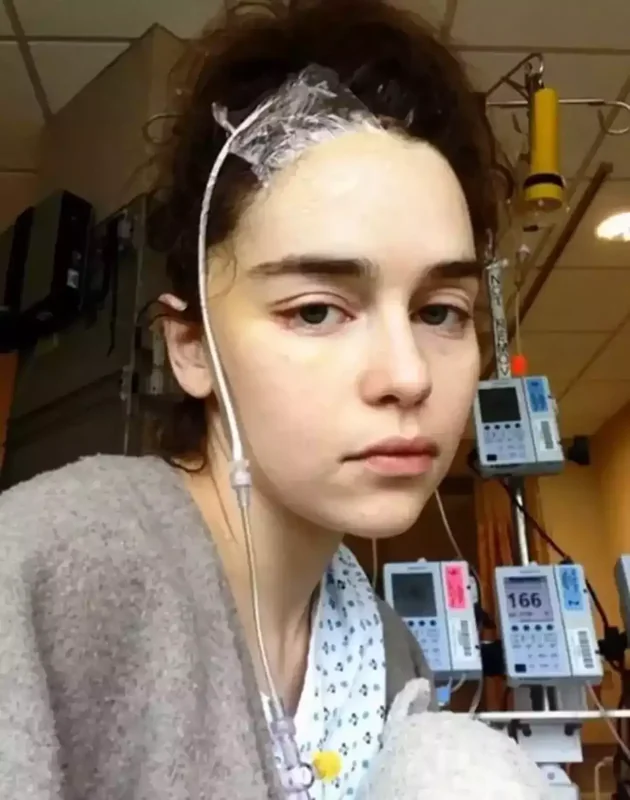
Her language difficulties were acute in the immediate aftermath—she has described a period of about a week when she could not find words and struggled to speak at all. Over time, her speech returned, and she continued rehabilitation [2].
Yes. In 2013, doctors treated a second aneurysm, which required additional surgery. Despite these challenges, Clarke recovered, returned to work, and later spoke openly about her experience to raise awareness for brain injury survivors [1][2][4].
Aphasia is a language and communication disorder caused by damage to brain regions involved in language processing. People with aphasia may have trouble speaking, finding words, understanding spoken language, reading, or writing. Common causes include strokes, traumatic brain injuries, tumors, infections, or complications from events like a ruptured aneurysm and subsequent surgeries [1][2].
In Emilia Clarke’s case, aphasia emerged after the trauma of a 2011 subarachnoid hemorrhage and treatment. She reported being unable to speak and failing to recall basic words—at one point even her own name [2]. That episode resolved during recovery [1][2].
For an actor, language is the core of the craft. Clarke’s acute aphasia was frightening—she feared she might never perform again or remember her lines. In her own account, she described a profound panic as words failed to form, a disorienting experience that would be terrifying in any profession, let alone one that relies on dialogue and memory [2].
Despite these fears, Clarke’s language returned, and she resumed her work on Game of Thrones. Her experience underscores two truths about aphasia: it can be deeply disruptive, and yet, with time and skilled care, meaningful recovery is possible [1][2].
Clarke has said that brain scans show parts of her brain are “missing” as a result of what her brain endured during the aneurysms. Physicians have characterized her functional recovery as remarkable given the extent of the injury. Her story offers a nuanced picture: brain imaging can look alarming, yet the brain’s ability to adapt—especially with therapy and time—can be extraordinary [3].
Diagnosis typically involves medical imaging (like CT or MRI) to identify the site and extent of injury, and thorough language assessments by speech-language pathologists. Treatment often includes:
Recovery depends on many factors—cause, location and size of injury, age, overall health, and how early therapy begins. Clarke’s case shows that improvement can be substantial, even when early symptoms are severe [1][2].
In her personal essay, Clarke recounts the moment she realized she couldn’t speak, describing it as an overwhelming sense of dread. She later wrote that she was “suffering from a condition called aphasia,” and that the words she tried to form came out jumbled or not at all [2]. The episode was temporary, and she gradually regained her speech during rehabilitation [2].
Her story has helped many people understand what aphasia can feel like from the inside—confusing, isolating, yet not a reflection of intelligence or personality.
Yes. After her recovery, Clarke co-founded SameYou, a charity focused on improving brain injury recovery care and rehabilitation resources. She has used her platform to raise awareness and funding, and to humanize the experiences of survivors who face long, invisible recoveries [3][4].
Aphasia varies widely. Some people experience short-lived language difficulties that improve with treatment, while others live with long-term aphasia that changes how they communicate day-to-day. Clarke’s case sits closer to the recovering end of the spectrum—her aphasia was acute and resolved during rehabilitation [1][2].
Other public figures have helped spotlight aphasia more recently, underscoring that it is a symptom of brain injury or disease rather than a standalone illness. This growing public awareness has spurred broader conversations about neurological health, care access, and support systems [4].

No. Aphasia changes how a person accesses and uses language; it is not a measure of intelligence. People with aphasia are often fully aware of what they want to say but struggle to find or express the words. Clarke’s experience makes this distinction clear—during her aphasia, her thinking and self-awareness remained, even when speech was disrupted [2].
Experiences vary, but common challenges include:
Practical strategies can help: slowing down, using shorter sentences, writing or drawing key words, confirming the main point, and allowing extra time. Speech-language therapists tailor strategies to each person’s needs and strengths.
Yes. After recovering language and stamina, Clarke returned to major projects and continued her acting career. She has given interviews reflecting on the resilience required and her gratitude for medical teams and supporters throughout the journey [3].
For Clarke’s own words, see her personal essay in The New Yorker, where she describes the onset of her aphasia and the shock of losing language in the ICU [2]. The National Aphasia Association also offers an overview of her experience as part of its Profiles in Aphasia series [1]. Background context on celebrities who have experienced aphasia appears in Lingraphica’s resource guide [4]. A People interview summarizes her remarkable recovery and the now-famous line about missing parts of her brain [3].
Explore these resources directly:
While every situation is unique, these principles are widely recommended:
Clarke has emphasized how crucial support was during her recovery, and her advocacy highlights the importance of community for survivors [3][4].
When public figures like Clarke share specific, human details—how a sentence suddenly won’t form, how fear sets in when a name disappears—it helps the public grasp that aphasia is about language access, not intellect. This greater understanding often translates to better communication habits, more empathy at work and at home, and stronger support for rehabilitation services [1][2][4].
Outcomes differ based on the cause of injury, the brain areas affected, the intensity and timing of therapy, and individual factors like age and overall health. Clarke’s aphasia improved quickly compared with many cases, but even within her rapid timeline, the early days were frightening and uncertain [2].
Clarke’s willingness to share intimate details—like the exact feeling of losing a word or name—makes aphasia concrete rather than abstract. Her advocacy also underscores the need for more accessible, sustained rehabilitation. By talking about how much rehabilitation helped, she points the spotlight toward the professionals and programs that make recovery possible [2][3][4].
Yes. She experienced aphasia after her first brain aneurysm in 2011, temporarily losing the ability to speak and find words. Her language returned during recovery [1][2].
No. Her aphasia was temporary and resolved as she recovered from her 2011 aneurysm. She does not live with persistent aphasia today [1][2].
Clarke describes an acute period of about a week when she could not speak coherently or recall basic words. Her language improved with time and rehabilitation [2].
A subarachnoid hemorrhage from a ruptured aneurysm in 2011 and subsequent treatment led to temporary aphasia. A later aneurysm in 2013 required additional medical care [1][2].
No. Aphasia affects language, not intelligence. People with aphasia often think clearly but struggle to express or process words [2].
Many people improve through speech-language therapy, practice, and time. Recovery depends on the cause and extent of brain injury and access to rehabilitation services [1][2].
Yes. She co-founded SameYou to support brain injury recovery and raise awareness for survivors and their families [3][4].
Her essay in The New Yorker vividly describes her aneurysms and aphasia experience in her own words [2].
The National Aphasia Association’s profile provides an accessible summary of her recovery and advocacy [1].
Several public figures have shared their experiences, expanding general awareness of aphasia as a symptom of brain injury or disease rather than a diagnosis of intelligence [4].