Physical Address
304 North Cardinal St.
Dorchester Center, MA 02124
Physical Address
304 North Cardinal St.
Dorchester Center, MA 02124

Inside Emilia Clarke’s near-fatal 2011 brain aneurysm, the aphasia that stole her words, her 2013 second aneurysm, how she kept filming Game of Thrones, founded SameYou, and made a remarkable recovery.
For millions of fans, Emilia Clarke will forever be Daenerys Targaryen, the fearless queen who commands dragons with a single word. Off screen, Clarke faced a battle far more terrifying than any she portrayed on Game of Thrones. In 2011, just after the show’s first season, the actor suffered a near-fatal brain aneurysm and developed aphasia, a language disorder that left her unable to remember her own name. Two years later, a second aneurysm led to more invasive surgery, a grueling recovery, and a lingering fear that she might never act again. Clarke found a way through, returning to set while still healing, channeling her experience into advocacy, and launching the brain injury charity SameYou to improve recovery for survivors worldwide. This is the full story of how she lost her words, fought to reclaim them, and chose to use her voice to help others [1][2].
In early 2011, at just 24, Clarke experienced a blinding headache during a workout, followed by nausea and searing pain. Doctors soon discovered the cause: a ruptured brain aneurysm that led to a subarachnoid hemorrhage, a life-threatening bleed around the brain. This condition is often fatal, with a significant share of patients dying before reaching the hospital or within the acute phase. Surviving it requires rapid diagnosis, expert neurocritical care, and swift intervention [3]. Clarke underwent emergency treatment and spent weeks in the hospital embarking on a physical and cognitive recovery that would shape the next decade of her life [1].
Immediately after the rupture, Clarke battled intense confusion and exhaustion. Her medical team treated the bleed and stabilized her condition, but the neurological fallout made it clear this was not a simple comeback story. She had to relearn how to function in the world as the early stages of recovery exposed deficits most people associate with much older patients or catastrophic strokes [1].
In the days that followed, Clarke developed aphasia. Suddenly, language did not connect. She tried to speak, but words came out as gibberish. At one point, she could not remember her own name. For an actor whose craft depends on speech, memory, and timing, the experience was devastating. Aphasia can affect speaking, reading, writing, and understanding. It can be transient, but it often leaves patients terrified that their sense of self is slipping away. Clarke later described this period as one of the darkest in her life. The symptoms eased over about a week, but the fear of permanent loss took much longer to fade [1].
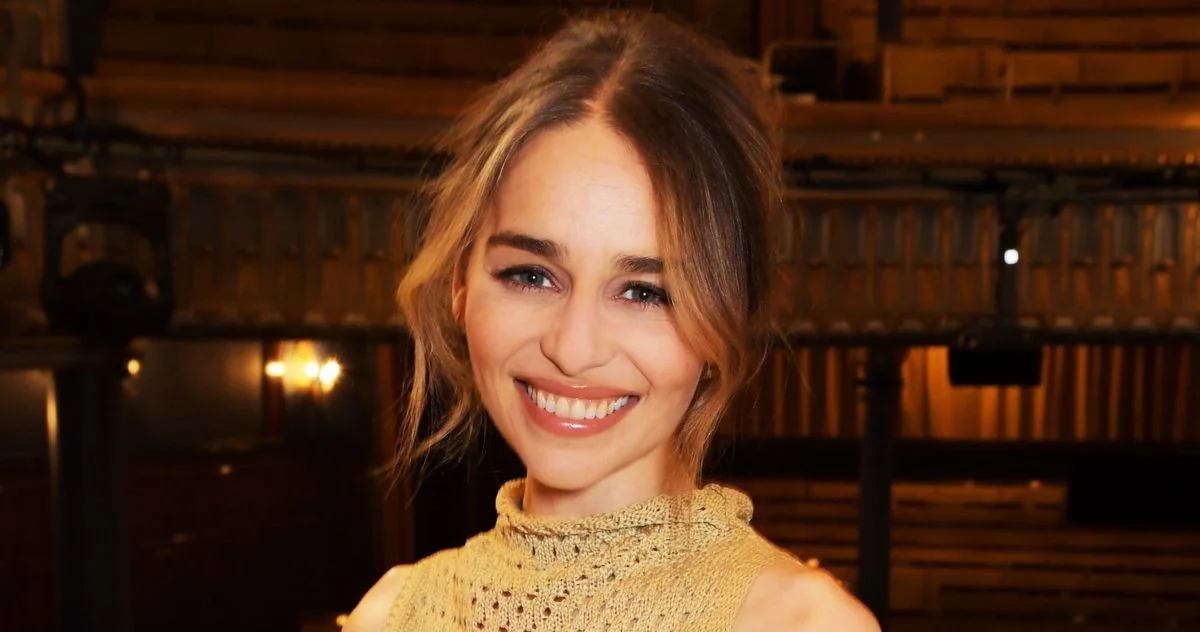
Her early recovery became a balancing act. She needed rest, therapies, and follow-ups, but she also felt the pressure of a career that was taking off at breakneck speed. Game of Thrones was on the cusp of becoming a global phenomenon. Returning to set would require focus and stamina that even healthy actors struggle to maintain. Clarke faced all of it while working through the emotional shock of a life-threatening medical trauma and the cognitive toll of injury and treatment [1][4].
While doctors had treated the rupture in 2011, they also discovered a second aneurysm that had not burst. Two years later, in 2013, that aneurysm demanded intervention. The procedure was more complicated than expected. Clarke endured a failed minimally invasive attempt and then underwent a more invasive surgery to repair the aneurysm, a process that extended her recovery and intensified the emotional burden she was carrying. Pain, fatigue, and anxiety were common. So were moments of doubt about whether her brain would ever feel like her own again [1].
Brain aneurysm treatment can involve endovascular coiling, surgical clipping, or a combination of approaches. Complications and revisions are not uncommon, and recovery timelines vary widely. Patients often require prolonged follow-up, imaging, and monitoring for vasospasm, seizures, or cognitive changes. Clarke navigated all of this while maintaining a public life that rarely reveals such private upheaval [4].
Physical healing is only part of brain injury recovery. The psychological strain can be profound. Clarke has described anxiety and panic attacks as part of her journey, especially in the period after her second surgery. She had to confront mortality, uncertainty, and the possibility that the part of her most tied to her identity as an artist might not return. She feared she might never act again. That fear did not disappear when the scars closed. It lingered as she rebuilt her confidence and her relationship with language [1].
Acting depends on exact recall and emotional nuance. Aphasia strikes at the heart of both. Even after the most obvious language difficulties eased, Clarke worried about the subtler aspects of performance. Could she memorize pages of dialogue? Would the right words arrive at the right time under pressure? Would emotions land exactly where they needed to? These questions haunted her during auditions, rehearsal, and live performance. The uncertainty was brutal. But she refused to let the uncertainty rule her life [1][2].
Her story underscores a truth patients and clinicians know well. Brain injuries can steal confidence in invisible ways even after physical recovery appears complete. Fatigue, attention shifts, and language blips can be unpredictable. That is why comprehensive rehabilitation matters, from speech and cognitive therapy to mental health support and peer groups that normalize the struggle of recovery [1][2].
Clarke returned to Game of Thrones for Season 2 soon after her first aneurysm. The show’s scale was massive, the schedule was demanding, and Daenerys’s arc required command and clarity. Clarke pushed through, relying on preparation techniques and a stubborn determination to reclaim her craft. She has said that fear and fatigue accompanied her on set during this time. Panic attacks and anxiety sometimes surfaced, yet she maintained the character’s steel and delivered the performance that would define her early career [1].
Acting while in recovery required a personal playbook. It included rest when possible, careful nutrition, hydration, and mental techniques to bring her back into the moment when anxiety flared. It also meant quietly confronting the potential for setbacks. Many brain injury survivors recognize this posture. You plan, you practice, and when the moment comes, you trust the brain’s remarkable capacity to adapt [1][2].
Clarke’s resilience showed in her willingness to keep going without minimizing the gravity of what happened. She did not pretend the injuries were minor. Instead, she learned to navigate them in real time while under the scrutiny of a hit series. Her experience helped spotlight the simple heroism of survivors who try to return to work, care for families, and pick up life where it left off. With Game of Thrones, millions watched Clarke embody a determined leader on screen. Off screen, she was living that determination at a personal level few could see [1].
Clarke’s path encompassed emergency care for a subarachnoid hemorrhage, follow-up monitoring for a known aneurysm, and later a second major intervention when that aneurysm required repair. Many patients receive endovascular coiling, which packs the aneurysm with soft metal coils to prevent future rupture. Others require clipping through open surgery. Physicians choose the method based on aneurysm size, location, and patient factors. After a rupture, the acute risk period includes complications like vasospasm and rebleeding. Success depends on timely treatment and specialized neurocritical care [3][4].
Recovery from brain injury is measured in weeks, months, and sometimes years. Clarke’s rehabilitation included speech and cognitive recovery, physical rest, gradual return to activity, and attention to mental health. Aphasia can improve substantially with therapy, and patients often benefit from structured exercises that rebuild connections between language centers and other brain networks. Clarke’s story illustrates both the terror of losing words and the real hope of gaining them back through persistence and neuroplasticity. Her progress reflects the brain’s ability to adapt even after serious injury [1][2].
Virtual therapy has become a powerful tool for survivors who lack access to in-person clinics. Clarke later used her platform to make more of these resources available and to advocate for early, intensive rehabilitation for brain injury and stroke survivors. The goals are clear. Reduce isolation. Streamline access to professional help. Give survivors exercises and communities that improve outcomes and restore identity [2].
Aphasia is a disorder of language, not intelligence. It can affect speaking, understanding, reading, and writing. The most common cause is stroke, but any brain injury that affects language centers can trigger aphasia. Symptoms range from occasional word-finding trouble to profound difficulty producing or understanding speech. Recovery varies. Many people improve significantly, especially with early intervention, consistent practice, and supportive environments at work and home [3][4].
In 2019, Clarke founded SameYou to address a glaring gap in brain injury and stroke rehabilitation. Survivors often leave the hospital stabilized but not fully supported. Clarke wanted to change that. SameYou connects patients to rehabilitation resources, supports innovation in neuro-recovery, and builds partnerships with clinicians and researchers to create better care pathways, including virtual and community-based solutions. The charity also works to reduce stigma, because too many survivors feel pressured to hide their symptoms or minimize their needs [2].
If you want a deep dive into her medical timeline and how aphasia unfolded, explore this companion guide: Does Emilia Clarke Have Aphasia? Timeline, Facts, and What to Know. It expands on how aphasia can appear, recede, and occasionally resurface under stress, and why ongoing support matters for long-term recovery.
SameYou collaborates with leading institutions to deliver practical solutions that meet survivors where they are. That includes support for mental health services, return-to-work resources, and education for caregivers. By sharing her story and creating a platform for others, Clarke reframed brain injury as a public health issue that deserves thoughtful, ongoing investment rather than a single moment of emergency care [2].
Years after her surgeries, Clarke has spoken about losing a portion of her brain to her aneurysms and the procedures that saved her life. What stands out is her description of the brain’s resilience. She has called her ability to speak and live normally remarkable, a testament to healing and to the medical teams who cared for her [1]. She resumed a full acting career, appeared on stage and screen, and expanded her philanthropic work. The same determination that kept her on set during recovery now powers her advocacy for others [1][2].
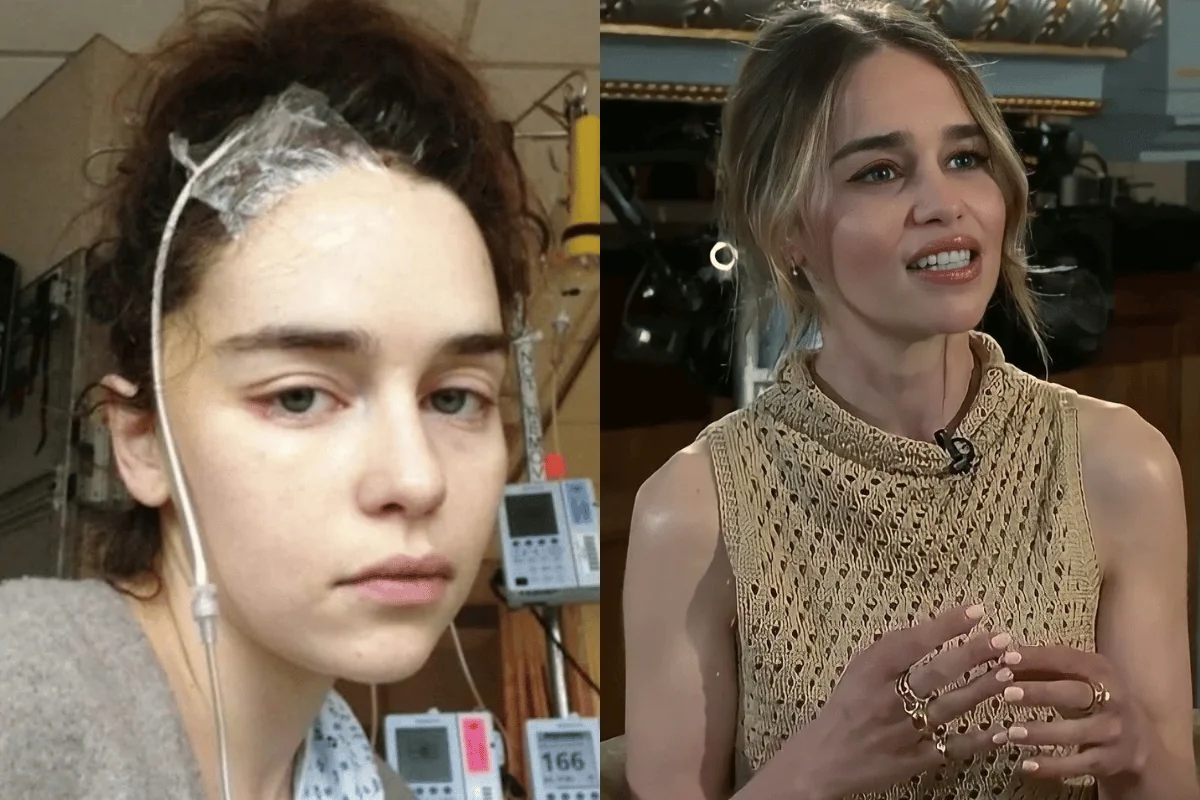
Game of Thrones brought Clarke global fame and multiple award nominations. She built on that momentum with film roles, stage performances, and television projects. Her career continued to flourish after both aneurysms. The arc is not just a comeback. It is proof that recovery and excellence can coexist, even in a field that demands rapid memorization, vocal precision, and emotional depth. Clarke’s success sends an important message to survivors and families. There is life after brain injury, and it can be meaningful, creative, and full [1].
For a broader look at how personal and professional challenges intersect across Hollywood history, you might also enjoy: Hollywood Celebrity Gossip Classics: Scandals That Shaped Tinseltown Forever.
She suffered a ruptured brain aneurysm that caused a subarachnoid hemorrhage shortly after filming the first season of Game of Thrones. The emergency led to hospitalization, treatment, and a recovery complicated by aphasia and severe fatigue [1][3].
Aphasia is a language disorder caused by brain injury. Clarke temporarily lost the ability to produce coherent speech and could not remember her own name. The most intense symptoms subsided within about a week, but the experience left a lasting emotional imprint. Therapy and time helped her recover language function [1][3].
Yes. She has spoken openly about fearing the end of her acting career after the first aneurysm and again after the second in 2013. These fears were grounded in real challenges with language, memory, anxiety, and the demands of high-profile work [1].
Doctors had identified a second aneurysm after the 2011 rupture. In 2013 it required surgery that was more complex than anticipated. Clarke endured a failed minimally invasive attempt and then a more invasive procedure, followed by a painful recovery and renewed fear about her future [1].
Clarke returned to set with strategies for pacing and managing anxiety. She relied on preparation, rest, and professional support while keeping much of her struggle private. Despite lingering symptoms, she delivered acclaimed performances through the show’s run [1].
SameYou is a charity Clarke founded in 2019 to improve brain injury and stroke recovery. It focuses on better access to rehab, mental health support, and community programs, including virtual services that reach survivors who cannot attend in-person therapy [2].
Yes. Subarachnoid hemorrhage is a medical emergency with significant early mortality. Rapid care and specialized neurocritical management are essential. Survivors often face complex recoveries that include cognitive and emotional challenges [3].
Many can achieve substantial improvement, especially with early and sustained therapy. Recovery depends on injury location and severity, overall health, and engagement in speech and cognitive rehabilitation. Clarke’s experience highlights the brain’s capacity to rewire pathways over time [3][4].
Gradual pacing, scheduled rest, speech and cognitive therapy, accommodations for fatigue, and open communication with employers all help. Peer support and counseling also reduce isolation and anxiety [2][4].
Clarke’s charity SameYou provides educational materials and connections to programs, and national stroke and brain injury organizations offer guidance on rehab, caregiver support, and community services. Talk with your clinical team about referrals to speech therapy, neuropsychology, and social work for coordinated support [2][3].