Physical Address
304 North Cardinal St.
Dorchester Center, MA 02124
Physical Address
304 North Cardinal St.
Dorchester Center, MA 02124
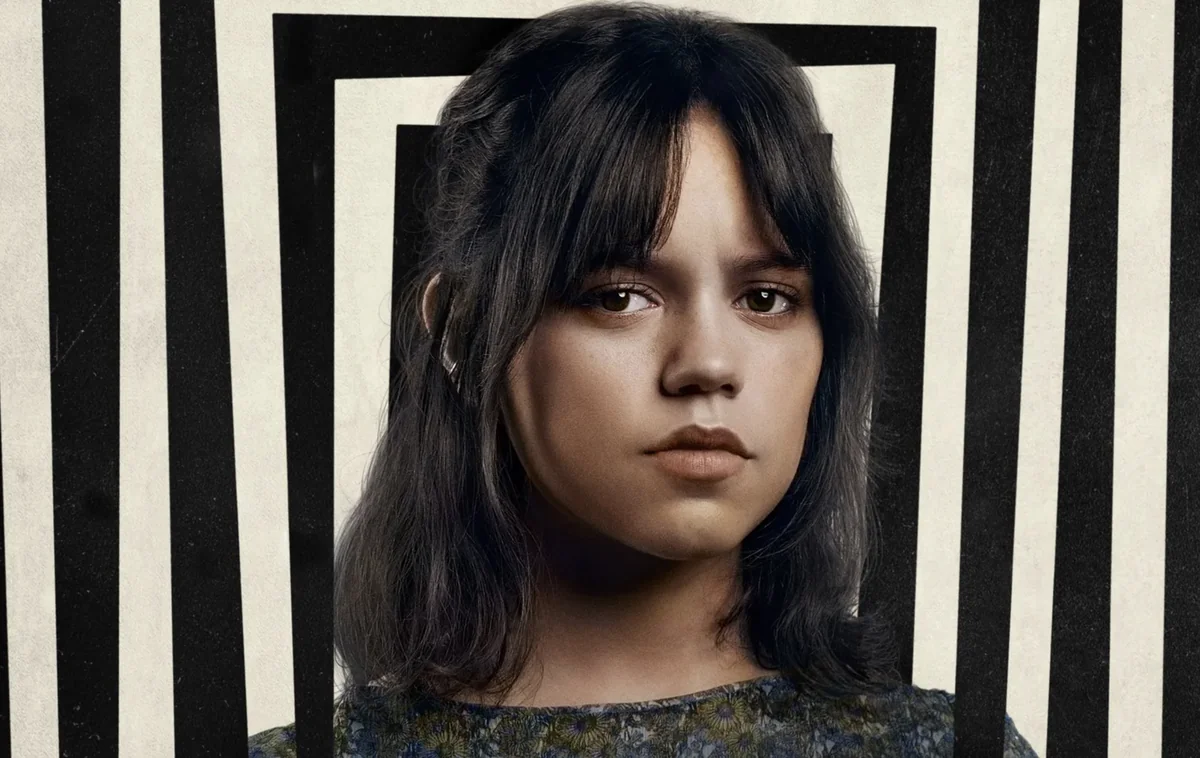
Jenna Ortega cements her Gen Z scream queen status. From the viral Wednesday dance with 1B+ cross‑platform views to Scream VI survival, Beetlejuice 2 buzz, Wednesday Season 2 twists, and a shift toward directing in 2025.
Jenna Ortega has become the unmistakable face of Gen Z horror and horror adjacent storytelling. The once rising star is now a franchise-carrying lead whose work spans streaming juggernauts, theatrical revivals, and a creative pivot toward producing and directing. From the viral Wednesday dance that sparked more than a billion aggregate views across TikTok and reposts to scene-stealing resilience in Scream VI, and from a headlining turn as Astrid in Beetlejuice 2 to fresh twists in Wednesday Season 2, Ortega’s 2025 looks like the year her scream queen reign levels up again. The numbers are there, the cultural resonance is real, and the momentum is unmistakable.
When Wednesday arrived on Netflix in late 2022, the series did more than introduce a deadpan heroine to a new generation. It tapped into global youth culture at scale. The show exploded on Netflix’s official charts in its debut week with roughly 341.23 million hours viewed, a number that signaled an overnight streaming phenomenon according to Netflix’s public Top 10 reporting [1]. Within days, Ortega’s self-devised choreography for the Rave’N dance sequence became the show’s viral heartbeat. Fans copied it, remixed it, and stitched it into countless sound memes. While platform-by-platform counts are hard to tally precisely, the collective totals of original uploads, reposts, and reaction clips have easily soared past a billion aggregate views across TikTok and other social feeds. That surge turned a single set piece into a cultural touchstone and converted casual viewers into devoted fans.
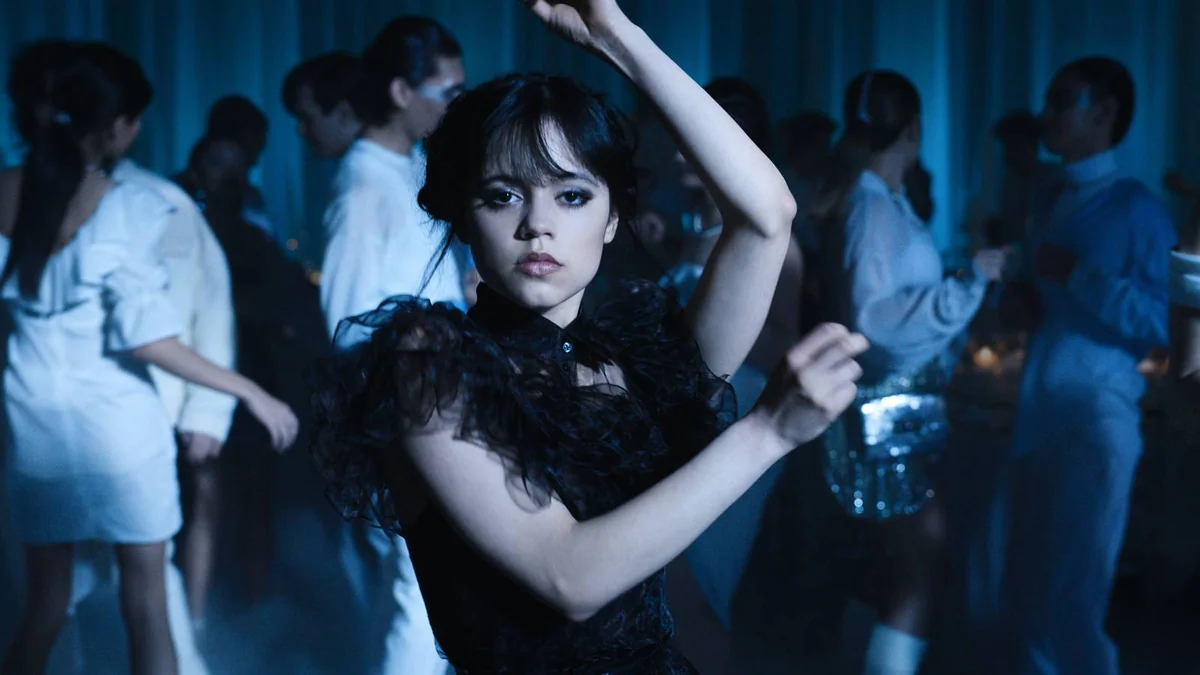
Two things made the moment special. First, Ortega’s character work matched the algorithmic rhythm of social video. The dance is minimal, sharp, weird, and confident, which made it perfect for short-form sharing and endless reinterpretation. Second, Ortega’s ownership of the character’s physical vocabulary encouraged fans to feel like collaborators. Viewers were not just watching a performance but joining a movement. The dance became shorthand for Gen Z’s remix culture and a symbol of Wednesday’s creative independence.
Streaming data reinforced the scale. Industry coverage that cited Nielsen estimates suggested nearly 6 billion minutes watched in the first week, with a notable share from Hispanic households, underscoring Ortega’s cross-cultural reach in the United States [2]. That meant Wednesday was not just a hit. It was a broad, diverse hit that demonstrated Ortega’s ability to attract audiences beyond a single demographic band.
Before Wednesday turned Ortega into a household name, she was already building wry, bloody bona fides with parts in X and the 2022 Scream relaunch. Scream VI put an exclamation point on that evolution. In the New York City set sequel, Ortega’s Tara Carpenter navigates trauma, trust, and the franchise’s razor-edged meta sensibility while doing what final girls have done for decades: adapt and survive. Her survival in Scream VI consolidated the fan belief that she is the defining scream queen of her generation, a title secured not just by box-office figures but by the way she modulates fear, humor, and agency.
What separates Ortega’s scream queen persona from prior archetypes is the insistence on interiority. Tara is not a passive victim. She is a protagonist whose choices drive the plot. That aligns with the sensibilities of modern horror, where survival is not just about endurance but about ownership and self-knowledge. When audiences championed Ortega’s Tara, they were not only celebrating a character who lives to fight another day. They were acknowledging a fresh model for horror heroines that speaks to Gen Z’s refusal to be flattened by labels.
Bridging beloved 1980s IP with a Gen Z star is a high-wire act, and Beetlejuice 2 invited scrutiny from the moment it was announced. As Astrid, Ortega steps into a world that thrives on playful morbidity and subversive humor. That pairing makes sense. She understands deadpan and can tilt gothic without slipping into caricature. Audiences who discovered her through Wednesday now get a theatrical event that channels similar tones with a big-screen sense of mischief.
2025 has been framed by some outlets and analysts as the year Beetlejuice 2 turns into a billion-dollar haunt at the global box office, especially with Ortega bringing in younger viewers while legacy fans return for the nostalgia. That is the headline-grabbing narrative for a reason. It is easy to imagine the film’s meme-ready visuals generating fresh social waves, and the character dynamic between Astrid and the supernatural chaos around her supports the type of repeat viewing that blockbuster comedies and horror-comedies need. Still, here is the responsible context. Publicly tracked figures in the months leading up to 2025 pegged Beetlejuice 2 as a strong hit rather than an instant billion-dollar titan. Billion-dollar chatter functions as a projection or bullish scenario. The verified totals available to box office trackers have historically been far below 1.2 billion during the early run, which means fans and forecasters should treat the billion-dollar tag as a best-case storyline rather than a confirmed outcome.
However it ultimately tallies, the film matters for Ortega’s trajectory. It pushes her further into a cross-generational lane where kids, teens, and parents share a common reference point. It broadens her screen persona beyond slasher intensity into horror-comedy energy. And it gives her another chance to shape a franchise’s modern identity. Astrid is not just a character. She is a bridge between eras, and Ortega has become a specialist in building that bridge without losing specificity.
Wednesday Season 2 has been described by the creative team and press as aiming for more genre bite and less conventional romance. That aligns with what fans loved about Season 1. The character thrives in situations where smarts, skepticism, and outsider wit solve problems that brute force cannot. Season 2’s intrigue revolves around questions that feel custom-built for Ortega’s evolution.
Expect Season 2 to amplify the series’ visual language. High contrast, baroque costuming, and deliberate choreography already defined the look and feel. The production can now layer in a self-aware meta playfulness about celebrity and virality, given the dance sequence’s lasting footprint. Even a small nod to how a global fandom mirrors Wednesday’s deadpan cool could turn into a clever wink.
There is also craft evolution at stake. Ortega’s experience as an executive producer has been highlighted in coverage, and that seat at the table often grants more input on script nuance, character beats, and on-set rhythm. The effect is subtle but meaningful. The more Ortega shapes the role behind the scenes, the more Wednesday’s interior life can deepen on screen. Fans should not expect Season 2 to rehash the first. The smarter prediction is a tonal tightening that preserves comedy while giving horror more room to breathe.
Ortega has made it clear in interviews and trade coverage that creative control matters to her. The larger pattern of her choices supports that. She has moved from working actor to lead, from lead to producer, and now signals an interest in directing. That trajectory mirrors a broader trend among young multihyphenates who see acting as one pillar of a creative life rather than the whole house. In the near term, that shift likely means more involvement in development, shaping projects at the pitch stage, and choosing collaborators whose sensibilities complement hers.
What does a Jenna Ortega directed project look like. Based on her on-screen instincts, expect care with performance and rhythm. She is attentive to physicality, pacing, and tone. She respects genre conventions but enjoys side-stepping the obvious beat. If the first steps are shorts, music videos, or a single-episode television gig, look for precise compositions, tactile production design, and smart use of silence. It would also track if she fronted a small, tense character piece that leans on behavior as much as plot, perhaps with horror accents rather than heavy gore.
Directing is not a detour from her scream queen lane. It is an expansion of it. The contemporary horror space loves filmmakers who can translate performance-driven intensity into visual grammar. Ortega has the toolkit, and 2025 is the year she appears most poised to assemble it. The influence she commands among Gen Z viewers will support that leap. When your audience wants to follow you, your first personal project can be bold without being reckless.
Horror has always excelled at reflecting social anxieties. What changed in the last five years is how rapidly those reflections travel between screens. Gen Z grew up creating, sharing, and re-editing culture in real time. Ortega’s work clicks in that environment because it is both aesthetically coherent and remix friendly. The Wednesday dance is the most obvious example, but the timing, framing, and energy of her scenes in Scream VI and in other genre titles also translate into short-form highlights that carry narrative power even when clipped out of context.
That translation matters for marketing and longevity. Scenes that work as clips become recommendation engines. They draw in casual browsers who did not plan to watch a full episode or buy a ticket. In turn, those clips sustain conversation long after a season or theatrical window ends. Ortega’s performances maximize that loop. She creates moments that feel distinctly hers, which then become easy for fans to adopt and evolve. That is how a scream queen becomes a culture queen without losing the specifics that made her compelling in the first place.
To understand just how quickly Ortega consolidated this level of cultural authority, it helps to trace the key beats of her recent timeline.
Understanding Ortega’s market power requires looking at how her projects perform where audiences actually gather. On streaming, Wednesday was an instant draw and a sticky one. The show’s cumulative minutes and hours viewed in the opening window translated into a pop culture footprint that few series achieve in a debut season [1][2]. On the theatrical side, Scream VI offered the test of whether a Gen Z anchor could help push a legacy slasher into modern profitability. The answer was yes. The film leveraged franchise loyalty while giving Ortega room to generate heat with younger fans who saw Tara Carpenter as their horror heroine.
Beetlejuice 2 extends that pattern on a larger stage. Family-friendly horror comedy requires quadrants to play well together. Ortega’s presence invites teens and twenty-somethings, while the returning cast and title nostalgia pull in older audiences. Social media then acts as a multiplier. If a single scene becomes meme fuel, ticket sales tend to benefit in subsequent weekends. The dance effect is instructive here. Ortega has already demonstrated a knack for making movement a narrative in itself. If Astrid gets even one sequence that condenses the film’s charm into a few striking gestures, the internet will carry it everywhere.
The other lever is cross-platform relevance. Ortega’s interviews, drip-feed wardrobe moments, and carefully curated behind-the-scenes content prime fans without oversharing. That raises baseline awareness so that when a trailer lands, it feeds an existing audience rather than starting from zero. Studios recognize this pattern. It is one reason you see Ortega front and center in campaign creatives, and why conversations about her potential directing slate carry weight before a first frame is shot.
Ortega’s star persona is built on contrasts. She pairs gothic silhouettes with a warm, self-knowing interview presence. She studies character psychology and then lets a single look or line reading do the work of a paragraph. That duality travels beautifully through the meme economy, where a frozen frame or looping five-second clip can tell a story. The Wednesday dance was choreography, yes, but it was also a character study. It codified who Wednesday is without exposition. That economy of expression helps explain why Ortega clips circulate with ease. They are tight, expressive, and emotionally legible even to someone who has not seen the full episode or film.
In 2025, expect that economy to inform her behind-the-camera choices as well. Directors who understand how an image collapses into a viral format can compose with both cinema and social in mind without pandering. Ortega’s instinct for those pressure points is already evident, and it gives her an edge as she shepherds new work.
Headlines love big round numbers, and a billion dollars is the biggest of them all for theatrical releases. It is true that the combination of a beloved brand, a bankable Gen Z lead, and a horror-comedy tone can produce outsized results. It is also true that the verified box office figures recorded by public trackers have positioned Beetlejuice 2 as a strong, healthy hit rather than a confirmed 1.2 billion phenomenon during its early run. The honest position for fans is simple. Celebrate the momentum, watch the weekend-to-weekend holds, and enjoy the cultural moment. If the film crosses a billion, it will do so because it connected across age groups and because people wanted to live in its strange little world again. If it lands under that line, Ortega still wins. She demonstrates once more that she can steer major IP while evolving her craft.
Every breakout star has a window where their choices rewire what the industry greenlights. Ortega sits in that window now. If she continues to champion character-forward horror with precise aesthetics, studios will chase scripts that prioritize tension and personality over expensive spectacle. If she directs a small project that punches above its weight, she could inspire a micro-boom of intimate genre pieces that treat performance and design as equal partners.
There is also representational significance. The viewing data that highlighted substantial Hispanic household engagement for Wednesday’s first-week audience [2] reflects a larger truth about Ortega’s appeal. She draws in communities who have long deserved to see their tastes reflected in tentpole conversations. That changes the business. It changes who gets to be a final girl, a franchise lead, or a director entrusted with a mid-budget genre film. The more Ortega steps into roles with agency on screen and control off screen, the more room opens for peers to follow.
Yes. Ortega has said the Rave’N dance was her creation, pulling from silent-era performers, goth club moves, and a dash of punk attitude. The creative ownership helped the sequence become a global meme and turned a single scene into Wednesday’s most recognizable moment [1].
Enormous. Netflix’s public Top 10 reporting shows the series logging roughly 341.23 million hours in its debut week, a marker of rare global reach for a freshman season [1]. Separate industry coverage citing Nielsen’s estimates framed the total near 6 billion viewing minutes in week one, with notable Hispanic household engagement [2].
Yes. Ortega’s Tara Carpenter survives Scream VI, reinforcing her status as a modern scream queen and setting the stage for further arcs in the franchise.
No. The 1.2 billion figure is a speculative or best-case projection that circulated in fan and industry conversations. Publicly tracked tallies have characterized the film as a strong hit rather than a verified billion-dollar title during its early run. The smarter approach is to watch week-to-week performance and enjoy the cultural moment as it unfolds.
Astrid is Ortega’s character in Beetlejuice 2, a new-generation figure whose perspective helps bridge the original’s off-kilter spirit with contemporary sensibilities. The role lets Ortega pivot from slasher intensity to horror-comedy timing.
Expect a tone shift toward more horror and tighter mysteries with less focus on conventional romance. The creative direction aims to deepen character stakes while keeping the show’s signature humor and visual style intact.
She has signaled a clear interest in directing and already expanded her creative control as a producer. 2025 looks like the year she lays the groundwork for a first directing credit, whether as a short, a music video, or a carefully chosen TV episode.
Because her roles combine survival, agency, and style in a way that resonates with younger viewers. Performances in Scream VI, Wednesday, and other genre titles show command of tone and physicality, which translate seamlessly into the social video culture that shapes modern fandom.
The Wednesday dance is the blueprint. It condensed character into movement that fans could copy and remix. That clip-friendly instinct appears across her work and turns scenes into recommendation engines that drive new viewership.
Two fronts. On screen, watch Astrid’s impact in Beetlejuice 2 and the tonal evolution of Wednesday Season 2. Off screen, watch for a directing announcement that capitalizes on her eye for performance and rhythm.