Physical Address
304 North Cardinal St.
Dorchester Center, MA 02124
Physical Address
304 North Cardinal St.
Dorchester Center, MA 02124

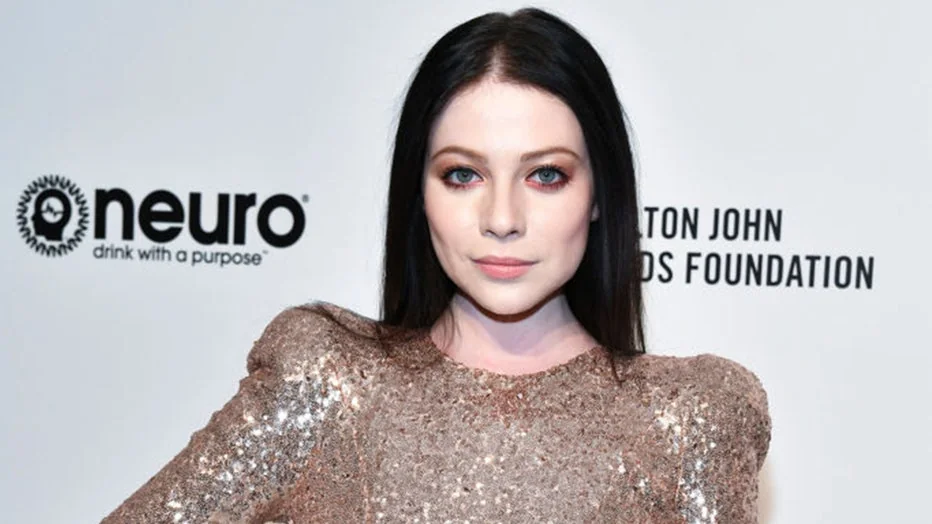
A warm, comprehensive tribute to Michelle Trachtenberg following her death on February 26, 2025. Explore her early career, iconic roles in Buffy and Gossip Girl, later advocacy, fan tributes, a life timeline, FAQs, and ways to share memories.
The entertainment world paused in collective grief in late February 2025 when news broke that Michelle Trachtenberg had died at the age of 39 in New York City on February 26, 2025. The announcement felt impossible to many of us who grew up with her characters, who saw our own coming-of-age stories reflected in her performances. Confirmations followed in the days after the initial reports, and the sadness that spread across social feeds was matched only by an outpouring of gratitude for the joy and complexity she brought to the screen [1].
Authorities and family statements cited complications from diabetes mellitus as the cause of death. The loss is a painful reminder of how chronic conditions can remain invisible to casual observers while profoundly shaping a life behind the scenes [4].
For many Millennials, Michelle was a touchstone. She was curious and brave in Harriet the Spy, a loyal and often overlooked sister in Buffy the Vampire Slayer, and deliciously chaotic in Gossip Girl. Those performances formed a collage of youth culture in the late 1990s and 2000s. They also made her a sort of time capsule. Even if you didn’t follow every role, you felt like you knew her because she kept showing up at defining moments in the TV and film landscape of a generation [2].
Michelle began performing before most of us learn to tie our shoes, appearing in commercials as a young child. That early start blossomed into recurring roles and then star-making turns that proved she could carry a story with heart, humor, and emotional clarity [2].
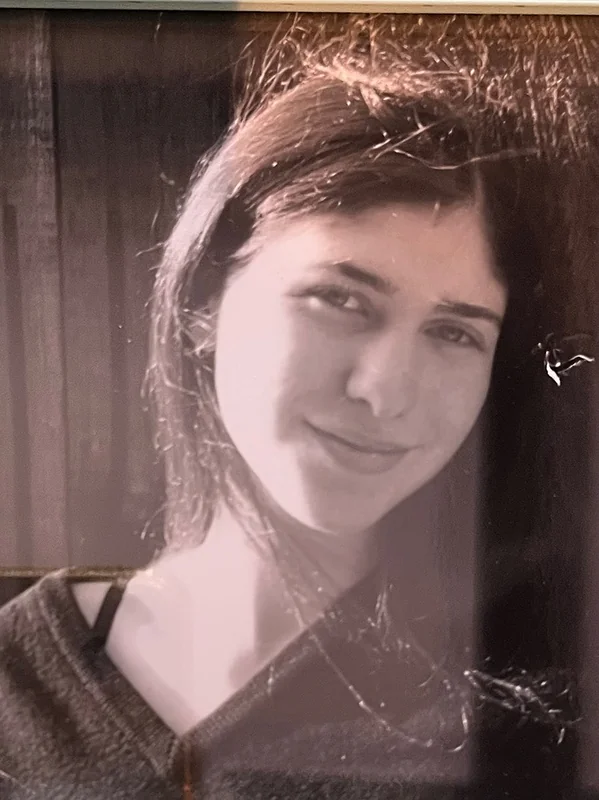
Michelle’s breakout role as Harriet M. Welsch introduced her to a global audience. Harriet wasn’t a perfect heroine. She wrote what she saw, sometimes with a bluntness that shocked the adults around her. What made the performance special was how Michelle played curiosity as a strength and a vulnerability. The character’s courage to document the world around her, even when it got messy, resonated with young viewers who were learning to express themselves and to value their insights [2].
As a teen and young adult, Michelle bridged the gap between family-friendly fare and edgier comedy. She moved from the diary-and-pen world of Harriet to the cult-favorite comedy EuroTrip (2004), where she sharpened her timing and embraced a looser, more experimental comedic tone. In Ice Princess (2005), she anchored a story about ambition, identity, and the pressure to choose a path that satisfies both self and family. The role let her show the discipline behind the dream, and it allowed a generation of girls to see STEM smarts and athleticism coexist in a single protagonist [2].
Television is where Michelle became part of the fabric of our shared pop culture. Two characters in particular made her unforgettable: Dawn Summers in Buffy the Vampire Slayer and Georgina Sparks in Gossip Girl.
Introduced in Season 5 as Buffy’s sister, Dawn was a mystical Key rewritten into human reality. On paper, it was a wild twist. On screen, Michelle made Dawn feel like the little sister many viewers either had or wished they had. She captured the ache of being young and overlooked and the strength it takes to grow up in the shadow of someone extraordinary. The performance deepened the show’s family themes and helped ground the mythology in relatable emotion. Her tenure on Buffy spanned 2000 to 2003, years that coincided with many Millennials navigating their own adolescent thresholds [2].

Years later, Michelle pivoted to one of the most entertaining antagonists of the 2000s: Georgina Sparks. In the glittering, messy world of Gossip Girl, Georgina was the unpredictable variable whose arrival always meant the plot would tilt. Michelle’s performance was deliciously self-aware. She balanced sharp comedic beats with an undercurrent of loneliness that made Georgina more than a villain. She was a mirror for the costs of reinvention in a social scene driven by status and secrets. Michelle’s run on the original series spanned 2008 to 2012, and her periodic returns reminded fans that trouble can be magnetic when it is this well performed [2].
Michelle’s later years reflected a thoughtful shift. She continued to work across television, film, and occasional voice roles, and she engaged publicly with advocacy around mental health and chronic illness. In interviews and social media appearances, she encouraged compassion for what we cannot see in others and took care to highlight the daily realities that accompany conditions like diabetes. Her death, attributed to complications from diabetes mellitus, underscores how important this conversation remains [4].
Fans who followed her beyond the screen noticed the way she used her platform to normalize honest talk about health, stress, and resilience. Whether speaking to young audiences who grew up with her or to newer fans who discovered her work through streaming, she kept returning to a simple point: it takes strength to ask for help and it takes empathy to make space for it [4].
Within hours of the February announcement, X (formerly Twitter) and Reddit filled with tributes. On X, timelines became mosaics of GIFs from Buffy and Gossip Girl, quotes from Harriet the Spy, and short notes about how her characters helped people feel seen. Many posts paired gratitude with personal memories, like watching Buffy marathons during finals week or trading Georgina Sparks theories in dorm rooms. The communal grieving felt as if a chapter of youth had gently closed.
On Reddit, fan communities shared remembrances and curated scene lists. In the r/buffy subreddit, threads marking her passing and later updates about the cause of death became places for fans to tell stories and thank Michelle for shaping the emotional core of the show during pivotal seasons [5][6]. Readers wrote about the first time Dawn said something that echoed their own teenage frustrations, or how Georgina’s chaotic charm turned a bad day around when a rerun popped up unexpectedly. These spaces became digital memorial books, the modern way we sign our names and say we were here, and we remember [5][6].
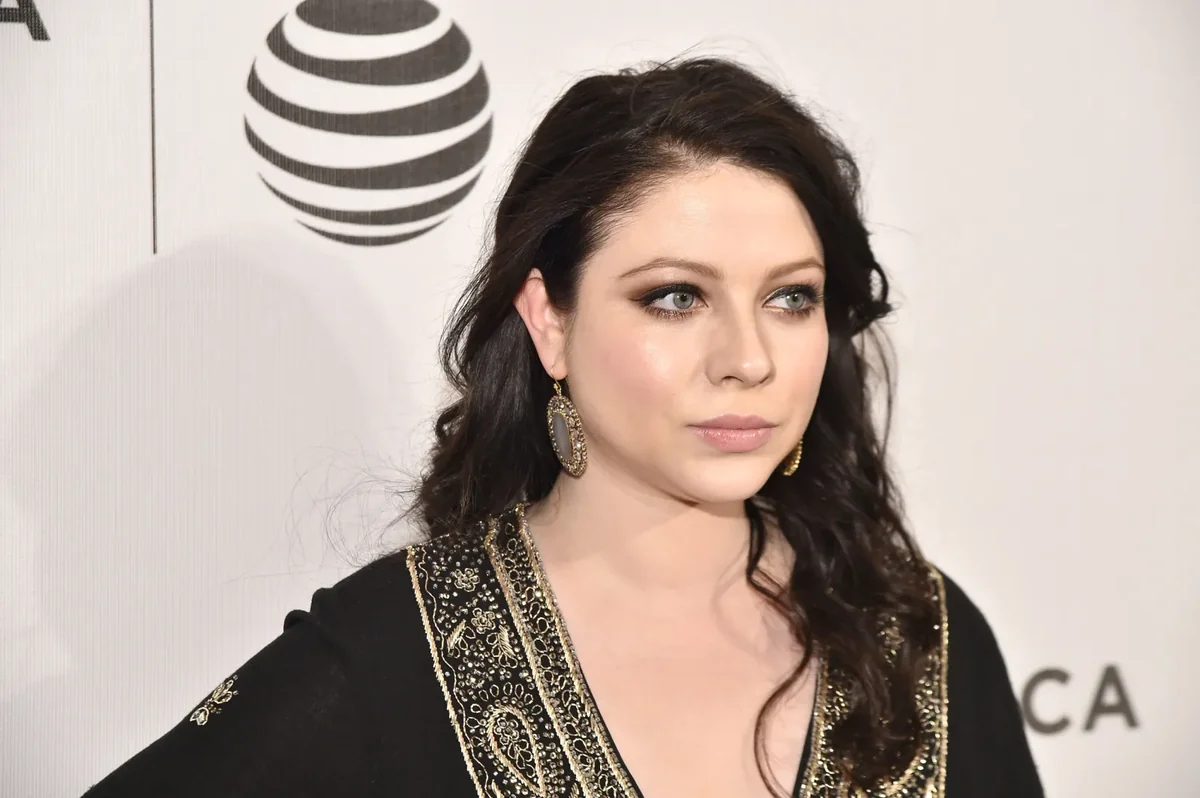
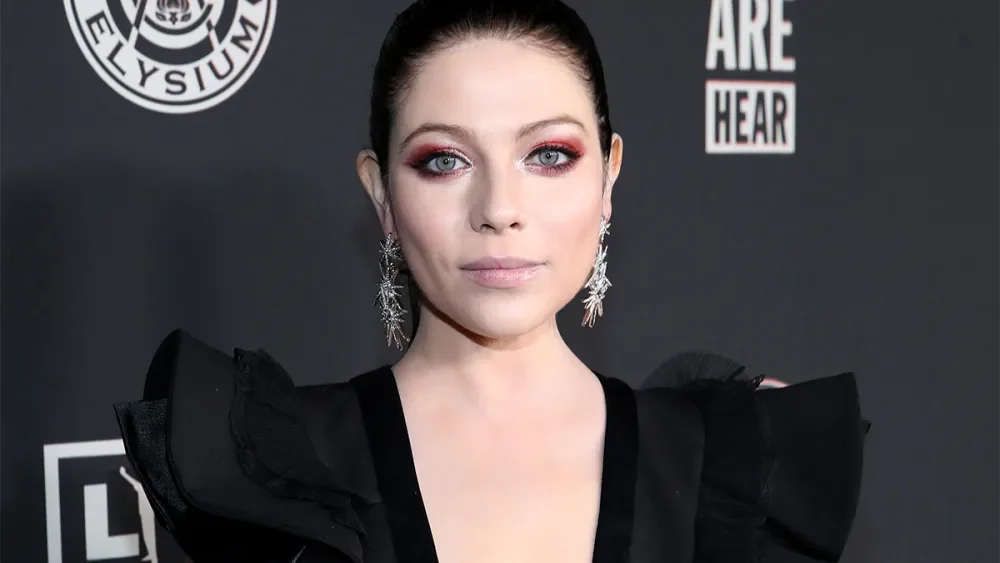
Michelle’s career mapped closely to the experiences of a generation coming of age during the late 1990s and 2000s. She portrayed curiosity without cynicism in Harriet the Spy. She gave voice to adolescent fear and loyalty in Buffy. She turned reinvention into entertainment in Gossip Girl. The progression felt organic because it mirrored how many viewers evolved: from notebooks and sleepovers to complicated family dynamics to adult worlds where identity is negotiated in public and online. Few performers sustain that thread so clearly across decades, and fewer still do it with the mix of vulnerability and wit that she brought to the screen.
Her characters were never one note. Dawn asked to be taken seriously even when her world seemed impossible. Georgina reminded us that people contain contradictions and that sometimes those contradictions are what make a character unforgettable. That versatility turned Michelle from a familiar face into a cultural reference point, the kind of performer whose name sparks an immediate image of a favorite scene and a favorite time of life [2].
If you’re looking to celebrate Michelle’s work, start with the scenes that fans share most often. The Buffy reveal that reframes Dawn’s identity. Georgina’s brash returns to the Upper East Side. The Ice Princess training montages that speak to grit and self-belief. These moments have become comfort-viewing rituals for many, a way of remembering who we were when we first watched them and honoring the performer who made them stick.
In light of her cause of death, many fans have reflected on Michelle’s public support for conversations around mental health and the daily challenges of chronic illness. While celebrities are often pressured to appear perfect, she repeatedly emphasized empathy and awareness. This is one of the most meaningful parts of her legacy. It invites us to check in on our loved ones, to learn about conditions like diabetes, and to make wellness part of our community conversations rather than a private burden [4].
If her passing creates new attention for chronic illness awareness and mental health support, that attention can honor her life. For anyone moved to learn more, consider exploring trusted health resources in your community and online, and talk to your care team if you or someone you love is managing diabetes or another chronic condition [4].
Want a deeper dive into Michelle’s roles and how she influenced television across two defining series? Explore our longer profile here: Do You Know How Michelle Trachtenberg Became a TV Icon? Buffy, Gossip Girl, Movies, and 2025 Updates.
For a look at how younger creators are navigating the pivot from social media to screen, you may also like: Dixie D’Amelio Movies & Acting Rise: Every Role From Reality TV to Rom-Com Queen.
Michelle Trachtenberg died on February 26, 2025, in New York City. She was 39 years old [1].
Officials and media reports cited complications from diabetes mellitus as the cause of death [4].
She is best known for Harriet the Spy on the big screen, and for Dawn Summers in Buffy the Vampire Slayer and Georgina Sparks in Gossip Girl on television [2].
Fans across X and Reddit posted tributes, shared favorite scenes, and wrote about what her characters meant to them growing up. Communities like r/buffy created threads to remember her and to discuss updates as they appeared [5][6].
Her roles tracked with a generation’s transition from childhood to adolescence to early adulthood. She conveyed curiosity, vulnerability, and reinvention, which made her a touchstone for Millennial viewers [2].
Availability varies by region and streaming rights. Buffy the Vampire Slayer and Gossip Girl are available on major streaming platforms in many countries. Harriet the Spy, EuroTrip, and Ice Princess rotate across services; check your local listings or preferred platform.
She used her platform to encourage open conversation about mental health and chronic illness. Her death from diabetes complications has renewed attention to these topics and the need for ongoing support and education [4].
Michelle began working as a child, appearing in commercials at a very young age before moving into television and film. Her breakout came with Harriet the Spy in 1996 [2].
She portrayed Dawn Summers on Buffy the Vampire Slayer from 2000 to 2003, and Georgina Sparks on Gossip Girl from 2008 to 2012, with additional appearances afterward [2].
Revisit her performances, share memories with fellow fans, and consider supporting causes related to chronic illness and mental health. Small acts of empathy in daily life also reflect the kind of awareness she championed [4].
If Michelle Trachtenberg shaped your youth or comforted you during a tough time, we invite you to share a memory. Tell us about the scene you always return to, the character who felt like a friend, or the way her advocacy opened a conversation in your life. Your stories help preserve a legacy defined by curiosity, courage, and compassion.