Physical Address
304 North Cardinal St.
Dorchester Center, MA 02124
Physical Address
304 North Cardinal St.
Dorchester Center, MA 02124

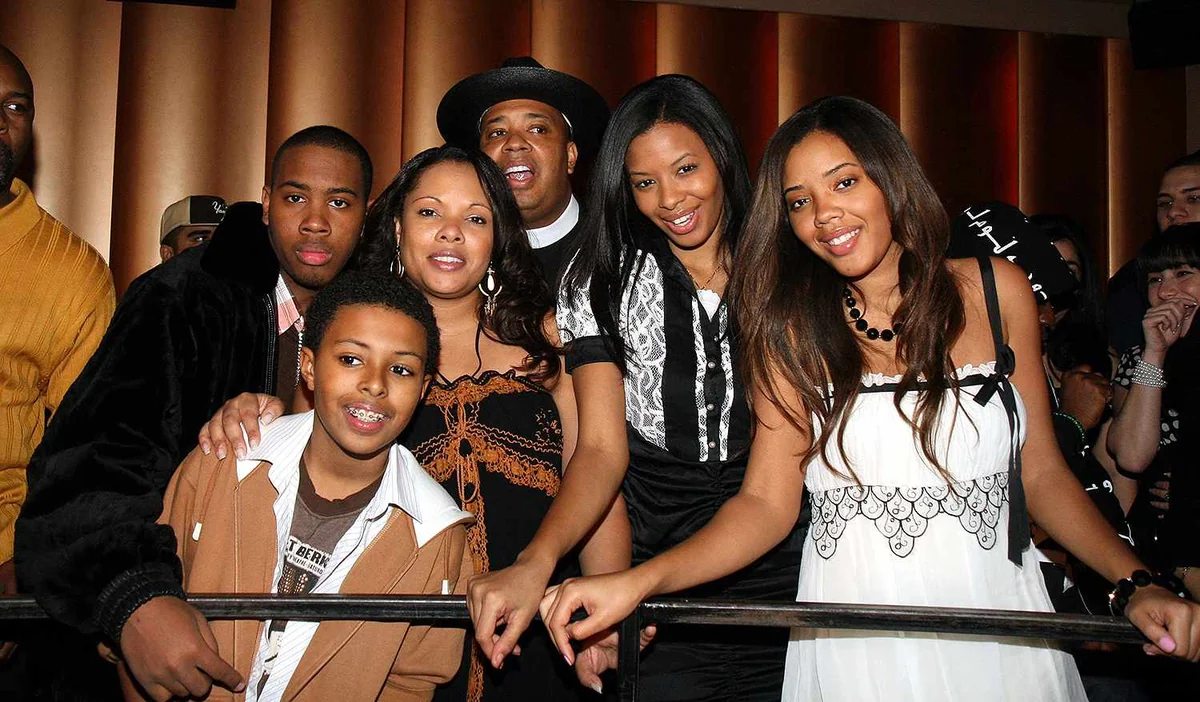
Learn confirmed facts about Rev Run and Justine Simmons’ tragic loss, their public statements, healing, and resources for respectful support.
This article answers common questions about the loss Reverend Run (Joseph Simmons) and Justine Simmons experienced in 2006 when their newborn daughter, Victoria Anne Simmons, died shortly after birth. It shares only what has been publicly confirmed by the family and reputable outlets, avoids speculation, and provides context about grief, healing, and supportive resources. The tone is calm and respectful, and references are included so readers can verify key facts through trusted sources like People and Tampa Bay Times, along with the CDC and UNICEF for medical and statistical context [1][2][3][4][5].
Yes. This Q&A discusses pregnancy and infant loss, which may be difficult for some readers. If you’re grieving, consider reading at your own pace and seeking support from trusted people or professionals. Resources are listed later in this article.
In 2006, Rev Run and Justine Simmons’ newborn daughter, Victoria Anne Simmons, died shortly after birth in a New Jersey hospital. The family publicly confirmed that she was diagnosed with a condition called omphalocele, a birth defect where organs develop outside the body. Reports noted that she was delivered by Caesarean section and that the family expressed gratitude for prayers while asking for privacy in their grief [1][2].
Her name is Victoria Anne Simmons, and she died the same day she was born in 2006, as reported by reputable outlets at the time [1][2].
The CDC explains that an omphalocele is a birth defect in which an infant’s intestine or other abdominal organs are outside of the body because of a hole in the belly button area. In the United States, it occurs in about 1 in 4,200 births [5].
The following fact box offers a concise overview using publicly reported details and medical definitions.
| Question | Answer |
|---|---|
| Who are the parents? | Joseph “Rev Run” Simmons and Justine Simmons |
| Child’s name | Victoria Anne Simmons |
| Year of passing | 2006 |
| Location (reported) | New Jersey hospital [2] |
| Reported diagnosis | Omphalocele [1][5] |
| Delivery method | Caesarean section [1] |
| Public comments | Requests for prayers and privacy; later reflections on faith and healing [1] |
Public information about the timeline is limited and focuses on essentials. The sequence below uses cautious, confirmed details and avoids speculation.
| Approximate Period | What’s Publicly Reported | Source |
|---|---|---|
| 2006 | Victoria is born by C-section and dies the same day due to complications associated with omphalocele. | People, Tampa Bay Times [1][2] |
| Late 2006 | The family expresses grief and offers public thanks for prayers. Media reports emphasize sensitivity and respect as their show later addresses the loss carefully. | People [1] |
| Later years | The couple discusses their grief, faith, and healing in interviews and writings, including reflections shared in connection with their 2020 book. | People coverage related to their book [6] |
People reported that the show would handle the topic with care and sensitivity, with respect for the family and viewers. Public comments at the time emphasized privacy, prayer, and compassion as guiding principles [1].
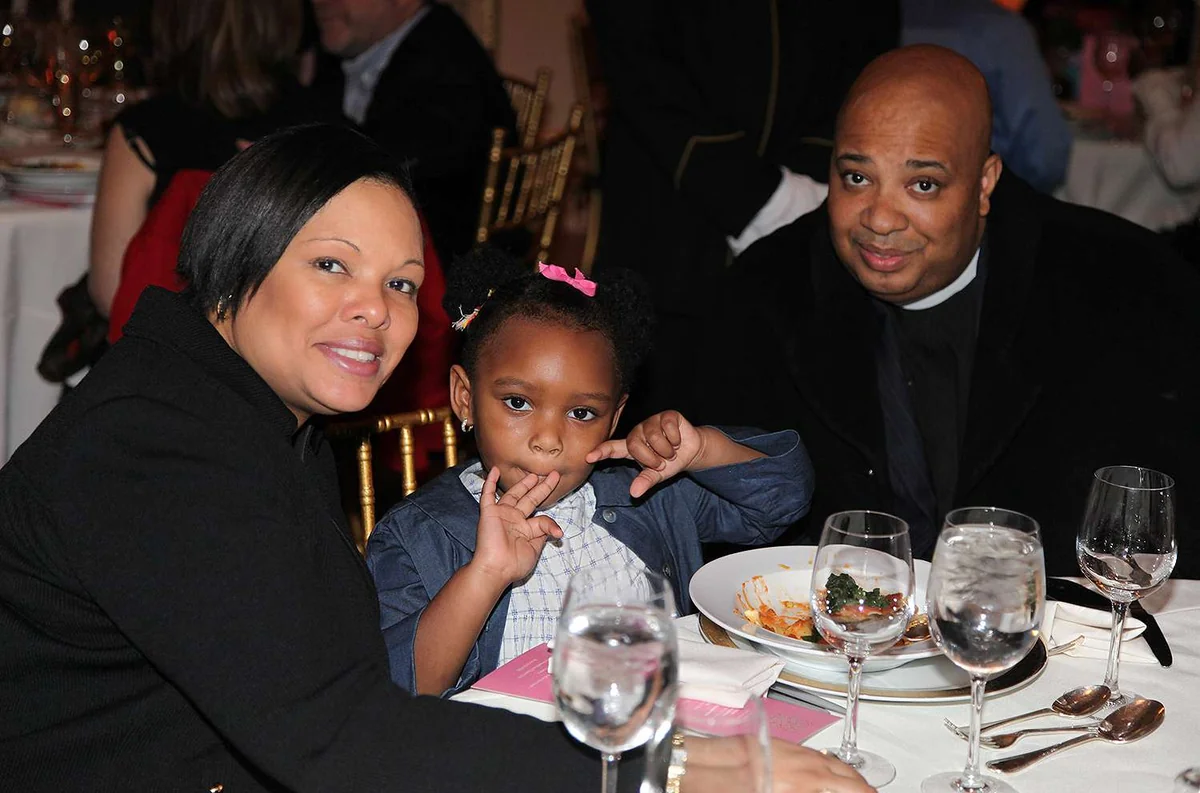
In later interviews and coverage connected with their 2020 book, Old School Love & Why It Works, the couple reflected on the profound pain of losing Victoria and shared that their Christian faith, prayer, and open communication were central to their healing. They’ve expressed a desire to comfort other grieving parents by being honest and compassionate about their experience while maintaining boundaries around private details [6].
Their public statements consistently highlight faith as the foundation of their marriage and family life. Reports note that they leaned on prayer, mutual support, and their wider faith community to navigate grief. They’ve also framed their openness as a way to reach others who may be mourning similar losses [1][6].
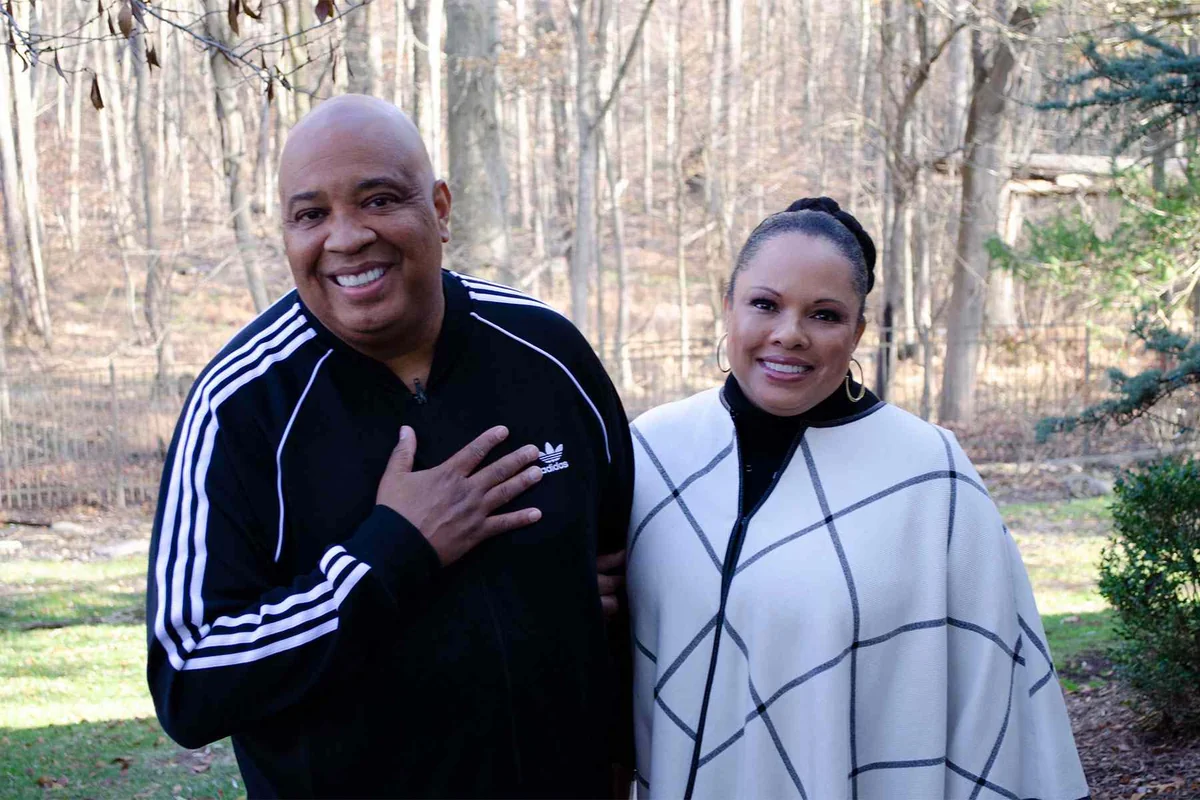
The family later introduced their daughter Miley Justine Simmons to the public. Biographical summaries and media profiles recognize Miley as part of the family story following their 2006 loss. The couple’s broader narrative in interviews and profiles places a consistent emphasis on love, togetherness, and faith as their family evolved over time [6].
Public-facing bios and coverage note Justine Simmons’ ongoing family life and media projects, with summaries acknowledging their family’s journey and later additions. These profiles align with the respectful way the couple has discussed their experience across interviews and television appearances [6].
They have not made a practice of public tributes on a fixed schedule, and they have guarded their private grief. When they do speak, their framing centers on love, faith, and the hope that compassionately sharing their story may help others. Reports connected with their 2020 reflections underscore this careful balance between openness and privacy [6].
Pregnancy and infant loss are deeply personal. Avoiding speculation respects the family and protects readers who may be vulnerable. This article includes only what has been affirmed by the couple or by well-established outlets with clear sourcing [1][2].
While every family’s experience is unique, data provide perspective on how common and impactful these losses are. UNICEF estimates that nearly 1.9 million babies are stillborn worldwide each year. In the United States, the CDC estimates stillbirth affects about 1 in 175 births. The CDC also defines omphalocele and estimates its occurrence at about 1 in 4,200 births [3][4][5].
| Topic | Key Data | Source |
|---|---|---|
| Global stillbirths | Approximately 1.9 million annually | UNICEF/UN IGME [3] |
| U.S. stillbirth prevalence | About 1 in 175 births | CDC [4] |
| Omphalocele occurrence (U.S.) | About 1 in 4,200 births | CDC [5] |
Every family grieves differently, but certain principles generally help:
These organizations offer information, peer connection, and professional guidance. Availability varies by location, so check each website for details:
Several points can help readers avoid common misunderstandings:
Media coverage in 2006 helped verify basic facts while emphasizing cautious reporting and sensitivity toward the family. In subsequent years, coverage tied to the couple’s published reflections has focused on themes of faith and healing. The family’s own approach has encouraged compassion for others who grieve while setting clear boundaries around personal details [1][6].
When reading about sensitive stories, it helps to prioritize empathy and verify information through reputable sources. If a detail is not publicly confirmed, leaving it unasked protects the dignity of those who are directly affected.
Public reflections from Rev Run and Justine Simmons point to practices that worked for them: prayer, mutual support, intentional communication, and time. They’ve framed their healing as an ongoing process rather than a finish line. Their message is not that any one approach is right for all, but that connection and care can help families find their footing at their own pace [1][6].
Consider enabling content warnings when available, especially on social platforms. You can also rely on reputable publications that clearly indicate when coverage involves sensitive topics. For related reflection on trigger awareness in media, you may find this piece helpful: a discussion of sensitive marketing and trigger alerts.
If you’re interested in respectful, factual profiles that avoid sensationalism, this overview might be useful: Who Is Hopie Carlson? It’s not related to Rev Run’s family but models a care-first approach to public figures’ private lives.

Language can help or harm. Using person-centered terms like “parents who experienced loss” or “the baby who died” avoids turning grief into a label. When discussing medical conditions, using clinical definitions from trusted sources like the CDC prevents misinformation and reduces stigma [5].
Public figures often share selected parts of their lives as a service to others, but privacy remains essential. Respecting boundaries, quoting accurately, and avoiding rumor-sharing are small but meaningful ways to honor families like the Simmonses. When in doubt, let confirmed statements and reputable reporting lead the way [1][2][6].
It’s respectful to acknowledge Victoria by name, recognize the significance of her brief life, and refrain from seeking details the family has not chosen to make public. Readers who wish to honor her memory can consider supporting pregnancy and infant loss organizations or simply extending extra kindness to someone who might be grieving in silence.
Yes. Their newborn daughter, Victoria Anne Simmons, died shortly after birth in 2006, as reported by reputable outlets [1][2].
An omphalocele was reported. The CDC defines it as a birth defect in which an infant’s intestine or other abdominal organs are outside of the body through a hole in the belly button area [1][5].
They thanked supporters for prayers and asked for privacy. Media noted that their show would handle the topic carefully and respectfully [1].
Reports stated that the birth and subsequent loss occurred in a New Jersey hospital [2].
Yes. Coverage connected with their 2020 book highlighted how faith, prayer, and communication supported their healing. They’ve shared selectively to comfort others while protecting private details [6].
People reported that it would be addressed with care and sensitivity, emphasizing respect for the family and viewers [1].
The family later introduced their daughter Miley Justine Simmons in public profiles and appearances. Public coverage places this within their broader journey of love and healing [6].
UNICEF estimates about 1.9 million stillbirths worldwide annually, and the CDC estimates about 1 in 175 births in the United States are stillbirths [3][4].
Offer presence without pressure, avoid minimizing statements, use the baby’s name if the parents do, and consider practical help like meals or childcare.
The CDC provides reliable definitions, statistics, and overviews about omphalocele and related care considerations [5].