Physical Address
304 North Cardinal St.
Dorchester Center, MA 02124
Physical Address
304 North Cardinal St.
Dorchester Center, MA 02124

Discover where Game of Thrones was filmed, with country-by-country guides, coordinates, travel tips, best seasons, and FAQs for planning today.
Game of Thrones was filmed across Northern Ireland, Croatia, Spain, Iceland, Malta, Morocco, and briefly Scotland, combining real locations, large studio builds, and CGI to create Westeros and Essos. Headline sites include Dubrovnik for King’s Landing, Castle Ward for Winterfell, Seville’s Alcázar for Dorne, Gaztelugatxe and Zumaia for Dragonstone, Thingvellir and Vatnajökull in Iceland for Beyond the Wall, and Essaouira and Aït Benhaddou in Morocco for Essos[1][2][5].
Use this quick finder to map on-screen places to real-world destinations you can visit. Tap to copy GPS into your maps app.
| On-screen location | Real location | GPS |
|---|---|---|
| King’s Landing | Dubrovnik Old Town, Croatia | 42.640, 18.110 |
| Red Keep | Fort Lovrijenac, Croatia | 42.639, 18.107 |
| Winterfell | Castle Ward, Northern Ireland | 54.404, -5.605 |
| Kingsroad | The Dark Hedges, Northern Ireland | 55.105, -6.379 |
| Dragonstone (castle approach) | San Juan de Gaztelugatxe, Spain | 43.447, -2.780 |
| Dragonstone (beach) | Itzurun Beach, Zumaia, Spain | 43.298, -2.253 |
| Dorne Water Gardens | Real Alcázar de Sevilla, Spain | 37.385, -5.992 |
| Dragonpit | Itálica Amphitheatre, Santiponce, Spain | 37.438, -6.043 |
| Beyond the Wall | Thingvellir National Park, Iceland | 64.255, -21.129 |
| Astapor | Essaouira Ramparts, Morocco | 31.513, -9.769 |
| Yunkai | Aït Benhaddou, Morocco | 31.047, -7.129 |
| Baelor’s Sept | Fort Manoel, Malta | 35.906, 14.497 |
Production blended location shoots with large studio builds in Belfast to achieve the show’s scope and consistency across eight seasons[1][2].
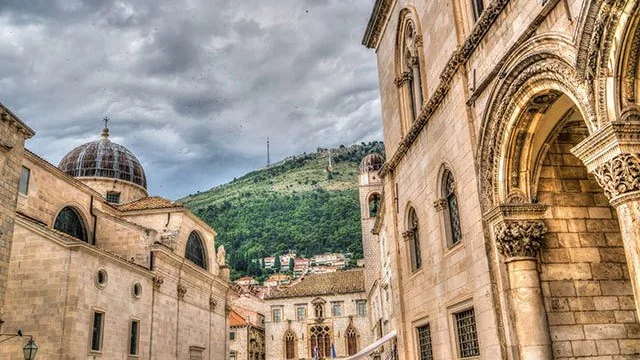
Northern Ireland was the series’ production base, home to Titanic Studios in Belfast and many of the show’s most memorable northern landscapes and set builds[2]. The region doubled for Winterfell, the Wolfswood, the Iron Islands, and provided quarry and coastal spaces that became Castle Black environs and battlefields through set work and CGI[1][2].
Castle Ward’s 18th-century estate provided the farmyard and courtyard for early Winterfell scenes, including the Stark children’s archery practice in Season 1. On-site sets and visual effects extended the castle complex on screen. Today you can visit, walk the grounds, and join themed tours[2].
Tollymore provided the atmospheric woods where the Night’s Watch discovered White Walker signs and where the Stark direwolves were found in the pilot. Trails are well marked and the forest is open year-round.
This photogenic beech avenue doubled as the Kingsroad. It is a busy stop, so arrive early to avoid crowds and respect local traffic restrictions.
Ballintoy became Pyke and Lordsport in the Iron Islands scenes. The rugged harbor and surrounding cliffs capture the Greyjoy aesthetic. Facilities are limited; plan for weather changes.
The sea caves near Cushendun hosted Melisandre’s shadow-binding scene. The recesses are small and tidal conditions vary; check local conditions before you go.
The sweeping sands and cliff-top temple helped realize Dragonstone’s dramatic coast in the early seasons. It remains a highlight on Causeway Coast itineraries.
Once an active quarry, Larrybane hosted the tourney and military encampments of the Stormlands. Views toward the Carrick-a-Rede rope bridge are superb on a clear day.
Magheramorne’s quarry walls and backlot area supported large-scale set builds including Castle Black’s yard and elements of Hardhome, then extended with CGI. These were controlled-access sets during filming and are not open as they appeared on screen[1][2].
Soundstage work in Belfast completed interiors across the series. Linen Mill Studios in Banbridge now hosts the Game of Thrones Studio Tour, offering immersive behind-the-scenes exhibits with sets, costumes, and props[2].
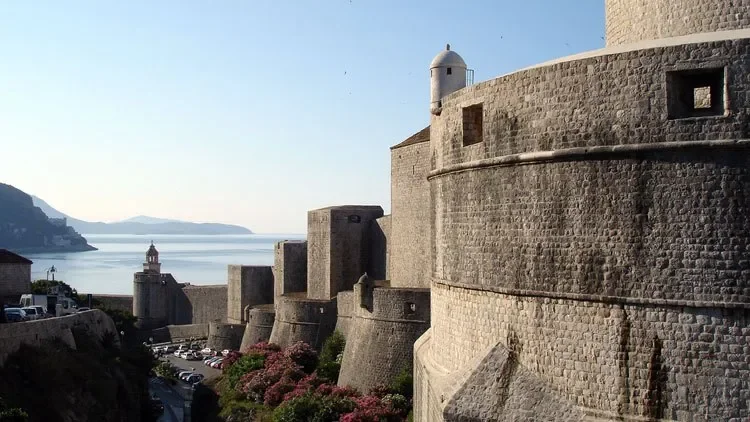
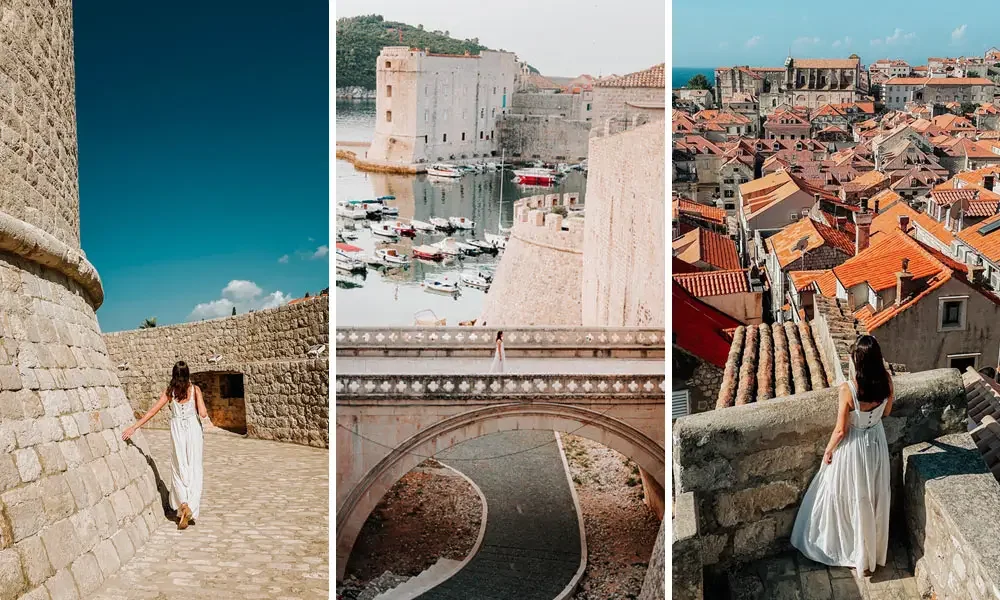
From Season 2 onward, Dubrovnik’s medieval walls, fortresses, and terracotta rooftops became the definitive screen version of King’s Landing[1][5]. The surrounding Dalmatian Coast provided additional cities that stood in for Braavos and Meereen, along with Qarth segments.
Walk the city walls and you’ll recognize the Red Keep’s silhouette, the harbor, and several streets used for key scenes. Dubrovnik’s fortifications and maritime vistas matched the capital’s political edge and grandeur[1][5].
The 11th-century fortress just outside the western walls featured prominently as the Red Keep, hosting royal confrontations and defenses. It is accessible by a short walk from Old Town.
Just offshore, Lokrum’s monastery complex and botanical settings provided Qarth’s lush backdrops in Season 2. Boats run frequently in season.
The late Roman palace’s substructures and courtyards formed parts of Meereen, giving Daenerys’s arc a distinctive stone-and-arch aesthetic[5].
Perched above Split, Klis provided sweeping exteriors and city views associated with Meereen. It is a short drive from Split and features interpretive signage.
Šibenik’s medieval streets and St. James Cathedral contributed to Braavos sequences. The quieter old town makes for easy on-foot exploration.
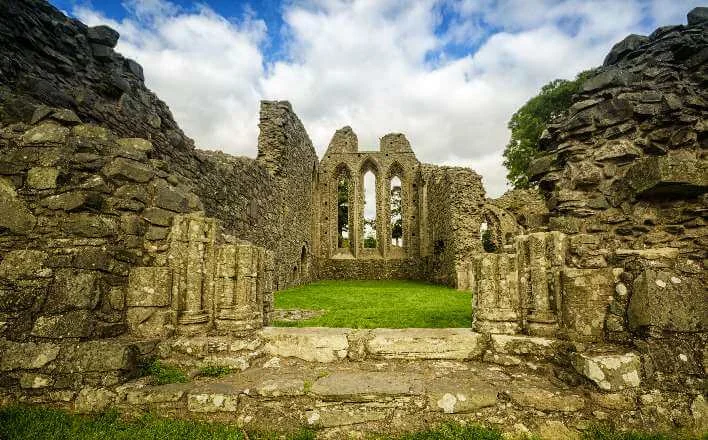
From Seasons 5 to 7, Spain supplied an array of settings from gilded palaces to volcanic shores. It became the home of Dorne’s Water Gardens, Dragonstone’s landfall, and the Dragonpit where leaders gathered late in the series[5].
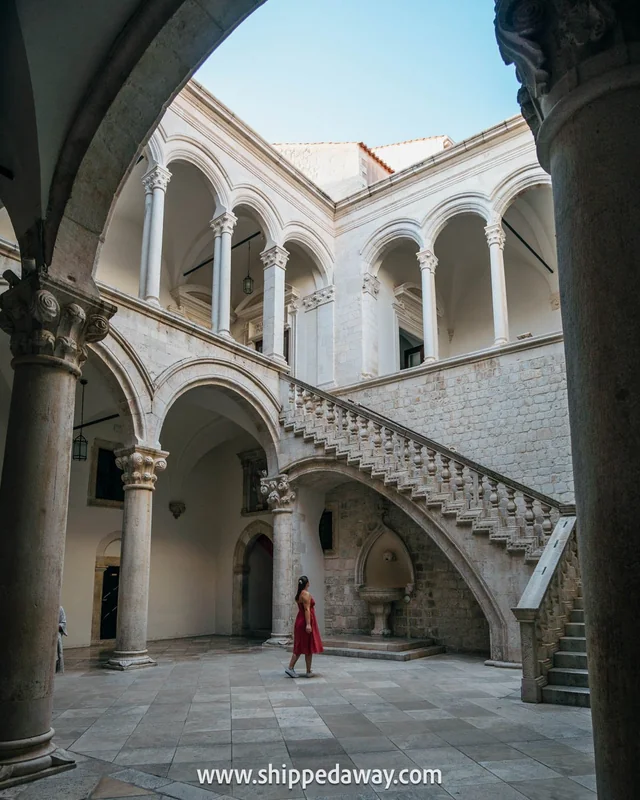
The Alcázar’s tiled courtyards, reflecting pools, and lush gardens embodied the Water Gardens of Sunspear. It remains one of Spain’s most visited palaces and a UNESCO site.
The Roman amphitheatre outside Seville hosted the critical Dragonpit gatherings late in the series. The site offers interpretive paths and is a short drive or bus ride from Seville.
The rock islet and its zigzagging stone steps became the approach to Dragonstone. The hermitage at the summit gives cinematic views, and access may be regulated by timed slots in busy months.
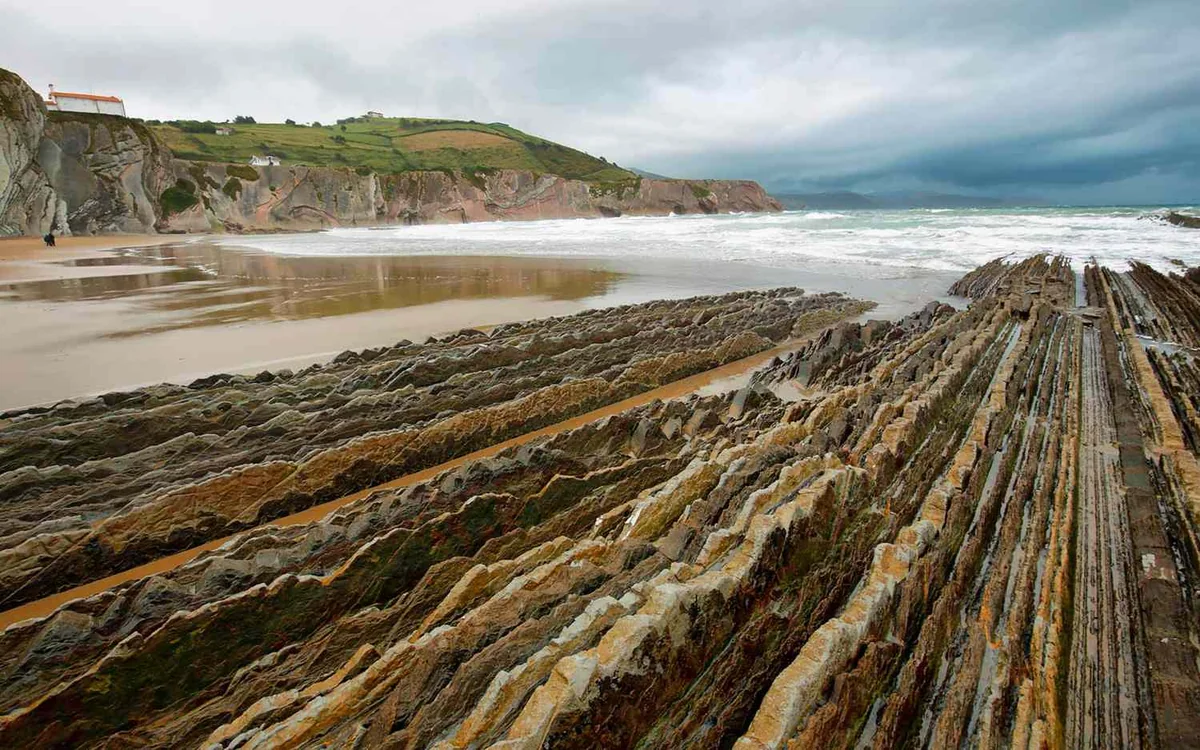
Zumaia’s flysch cliffs and dark sand beaches were used for Daenerys’s landfall and Dragonstone beach scenes. Tides and surf can be strong; keep to marked paths.
Girona’s medieval core, cathedral steps, and winding streets stood in for parts of King’s Landing and Oldtown in Season 6. It is very walkable and popular with screen tourists[5].
The Plaza de Toros de Osuna staged the dramatic fighting-pit sequences. The museum displays Thrones memorabilia tied to the production period.
The Extremadura towns offered stone-walled old quarters and fortifications for later-season exteriors, including sequences associated with King’s Landing and Casterly Rock. Trujillo’s fortress provides wide hilltop views.
This Andalusian fortress appeared as House Tyrell’s seat, Highgarden, during Season 7. The site offers guided tours and superb rampart views.
The semi-desert landscapes of Bardenas Reales provided the arid, wind-scoured look of the Dothraki Sea. It is a protected natural park; observe all driving and drone restrictions.
Iceland’s glaciers, lava fields, and stark coastlines gave the series its northern soul. Many of the Wall and Free Folk sequences were staged in Thingvellir and the Mývatn region, with additional glacier work in Vatnajökull and Skaftafell[1][5].
Rift valleys, waterfalls, and basalt rock corridors framed several northern treks. Thingvellir is part of the Golden Circle and easy to reach from Reykjavík.
The Mývatn area features lava fields used for camp scenes, and Grjótagjá cave is the site associated with Jon and Ygritte’s encounter. Grjótagjá’s bathing access is restricted due to temperature and conservation concerns.
Tongues of Vatnajökull glacier and the Skaftafell region created the otherworldly expanses for ranging parties. Guided glacier walks are popular but require proper gear and professional guides.
West Iceland’s iconic conical peak is instantly recognizable from prophetic visions and northern journeys. The mountain is near the town of Grundarfjörður on the Snæfellsnes Peninsula.
Before Dubrovnik took the mantle, Season 1 based King’s Landing exteriors in Malta and Gozo. You can visit many spots, though set pieces are long gone and access depends on current site policies[1][5].
The silent city’s main gate is a classic photo stop for fans tracing the capital’s first-season footprint.
Ricasoli’s formidable bastions gave the Red Keep its early profile. The fort is a heritage site with limited general access.
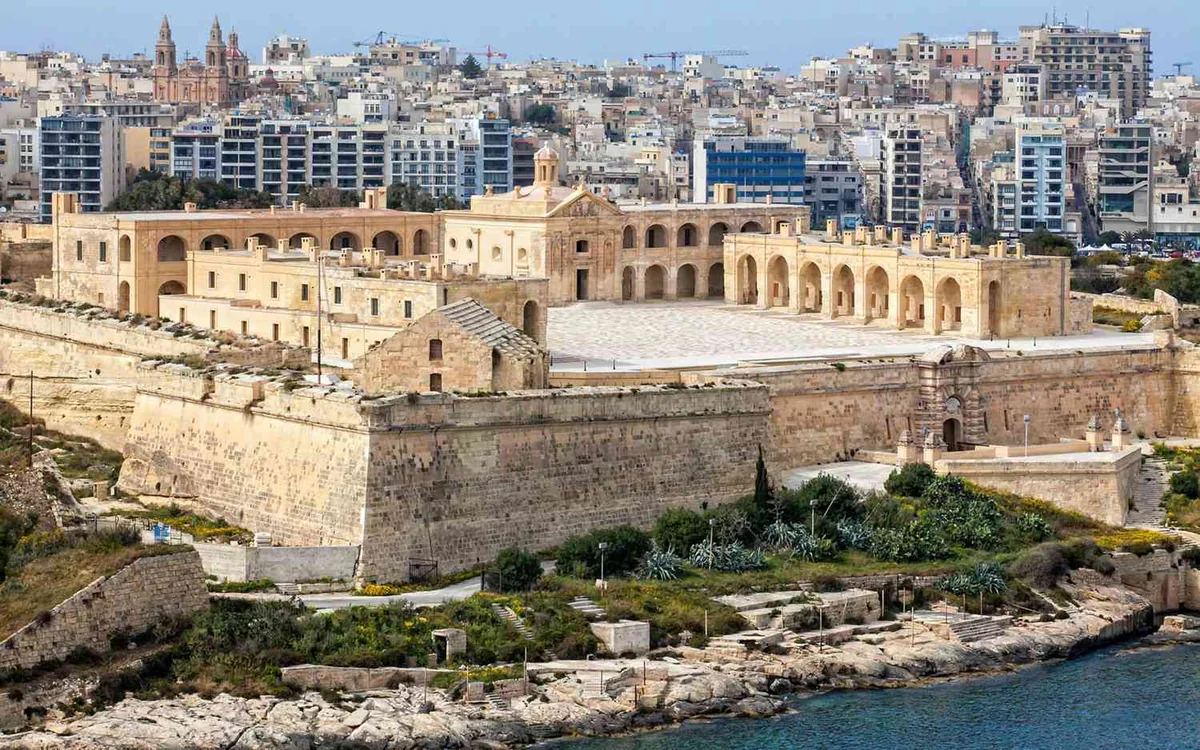
This star-shaped fort in Gżira staged the pivotal Baelor scene. It overlooks Marsamxett Harbour and offers periodic visiting hours.
Filmed near the Azure Window, which collapsed naturally in 2017. The coastal geology is still dramatic but the arch no longer stands. Respect cliff edges and signage.
Morocco’s Atlantic ramparts and desert kasbahs portrayed Essos cities, particularly in Season 3. Essaouira and Aït Benhaddou are the marquee stops for Unsullied and slaver-city arcs[5].
The Skala de la Ville and sea walls gave Astapor its wind-lashed character. The old medina is UNESCO-listed and easy to explore on foot.
This earthen ksar near Ouarzazate stood for Yunkai. It has a rich screen history beyond Thrones and rewards an overnight stay for sunrise and sunset light.
Doune Castle in Scotland was used for parts of the original, unaired pilot as Winterfell. The production later shifted Winterfell exteriors primarily to Castle Ward and other Northern Ireland locations for the series proper[1].
Screen tourism is still strong in these regions. A little planning helps you avoid closures and crowds, and ensures you respect conservation rules and local communities.
| Country | Best months | Why |
|---|---|---|
| Northern Ireland | May to September | Long days, green landscapes, milder weather |
| Croatia | April to June, Sept to Oct | Avoid peak cruise crowds and heat |
| Spain | April to May, Sept to Nov | Comfortable temperatures at coastal and inland sites |
| Iceland | June to August | Trail access, midnight sun; winter for snow scenes |
| Malta | March to May, Oct to Nov | Milder weather and fewer crowds |
| Morocco | March to May, Oct to Nov | Pleasant temperatures in desert and coastal zones |
Use this compact index to trace major arcs to real-world locations. For a deeper scene-by-scene breakdown, combine this with the GPS table above and local tourism maps[1][5].
| Season | Highlight locations |
|---|---|
| 1 | Malta and Gozo for King’s Landing; Northern Ireland for Winterfell and the North; Scotland used in the unaired pilot[1][5] |
| 2 | Croatia’s Dubrovnik becomes King’s Landing; Lokrum for Qarth; Northern Ireland and Iceland expand northern arcs[1][5] |
| 3 | Morocco’s Essaouira and Aït Benhaddou for Astapor and Yunkai; Iceland for Beyond the Wall[5] |
| 4 | Croatia’s Split region for Meereen; Northern Ireland continues as production base[1][5] |
| 5 | Spain enters in force: Seville Alcázar for Dorne; Osuna bullring; Bardenas Reales[5] |
| 6 | Girona for King’s Landing and Oldtown; Iceland and Northern Ireland for major battles[5] |
| 7 | Dragonstone in the Basque Country; Itálica as the Dragonpit; Cáceres and Trujillo for late-season exteriors[5] |
| 8 | Spain’s Extremadura and Northern Ireland studios; Dubrovnik inspirations inform concluding capital scenes[1][5] |
Screen exposure can reshape travel patterns. Dubrovnik and Northern Ireland have seen sustained fan interest since the show’s run, and local authorities continue to balance access with preservation[2][5]. The Azure Window in Gozo collapsed in 2017, so visitors now experience the coastline without the arch. Many purpose-built exterior sets were dismantled after filming and only studio-based exhibits retain their original designs[1][2][5].
Love TV-location travel? You may also enjoy our companion guide: Where Was Sex and the City Filmed, Can You Visit?
Production sought authentic textures and workable logistics. Northern Ireland offered a studio base, varied landscapes, and supportive film infrastructure. Croatia supplied intact medieval walls and coastal fortresses for a cinematic capital. Spain provided palaces, Roman ruins, and dramatic coasts within practical travel windows. Iceland delivered remote, glacial environments that sold the idea of an unforgiving far North[1][2][5].
Mainly in Dubrovnik, Croatia, from Season 2 onward. Key spots include the city walls, Fort Lovrijenac, and nearby streets and stairways. Early Season 1 capital scenes used Malta’s Mdina and forts before the show moved to Croatia[1][5].
Castle Ward in County Down, Northern Ireland, provided key Winterfell exteriors in Season 1, augmented with sets and CGI. Additional northern sequences used Tollymore Forest and studio builds in Belfast[2].
Dragonstone’s approach road and stairs were filmed at San Juan de Gaztelugatxe, Spain, while Dragonstone beach scenes were shot at nearby Itzurun Beach in Zumaia. Interiors and the castle itself were completed with sets and CGI[5].
At the Real Alcázar de Sevilla in Spain. The palace’s Moorish courtyards and gardens provided an ideal stand-in for Sunspear’s royal retreat[5].
In the Roman amphitheatre of Itálica, near Seville, Spain. It hosted the major parley in the later seasons[5].
Iceland, primarily Thingvellir National Park, the Mývatn region including lava fields, and the Vatnajökull area for glacial expanses[1][5].
Yes. Most are public heritage sites or natural areas with normal visiting hours and entry fees. Purpose-built sets are gone, but the Game of Thrones Studio Tour in Northern Ireland preserves select interiors and props[2].
No. The Azure Window on Gozo collapsed naturally in 2017. The coastline remains scenic, but the rock arch no longer exists.
Yes. Essaouira’s ramparts appear as Astapor, and Aït Benhaddou stood for Yunkai in Season 3 sequences[5].
Follow posted guidance, stay on marked paths, and check weather or tide conditions. Drone restrictions are common in historic centers and protected parks. When in doubt, ask local wardens or official info points.
For a human story behind the series, read: Emilia Clarke’s Terrifying Battle with Aphasia After Near-Fatal Brain Aneurysm.